
Coffee Knowledge
Latest articles, industry insights and brewing guides
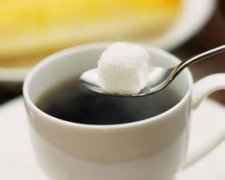
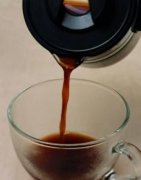
When Is the Best Time to Drink Freshly Brewed Coffee?
Taste your coffee within 10 minutes of brewing for peak flavor. Avoid drinking it too hot or keeping it on a warmer for more than 20 minutes.

The Best Temperature for Serving Coffee
For optimal coffee flavor, serve it around 86°C. Don’t reheat brewed coffee—brew fresh in small batches just before drinking.
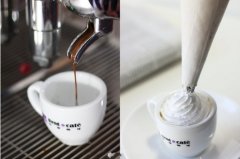
What Makes a True Italian Espresso?
Learn the origins, techniques, and standards behind authentic Italian espresso, a craft refined over centuries.
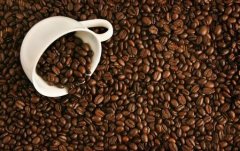
The Ideal Coffee-to-Water Ratio for Brewing
For balanced coffee, use 10 grams of coffee per 180ml of water. Adjust quantity but keep the same ratio to avoid weak or bitter results.

What Kind of Water Makes the Best Brewed Coffee
Good brewed coffee depends on more than just beans—your water matters. Learn which water quality and filtering methods improve extraction.
What’s the Ideal Temperature for Drinking Coffee?
The perfect coffee temperature enhances flavor—between 61–62°C when sipped. Avoid lukewarm or cold coffee to fully enjoy your brew.
Can Drinking Coffee Lower Parkinson’s Disease Risk?
Drinking five or more cups of coffee daily may reduce Parkinson’s risk by up to 80%, according to a 30-year U.S. study of over 8,000 men.

How Coffee Affects Brain Function and Alertness
A decade-long UK study reveals how one cup of coffee boosts alertness and focus for up to five hours, and the ideal caffeine intake for cognitive benefits.
How Coffee Protects Heart and Blood Vessels
Coffee’s polyphenols, especially flavonoids, act as strong antioxidants that help protect cardiovascular health, backed by research from the University of Scranton.

How Coffee May Protect Against Radiation Damage
Indian research shows caffeinated mice survived high radiation doses. Could your daily coffee offer similar cellular protection?

Where the Word 'Coffee' Really Comes From
The word 'coffee' comes from the Greek 'Kaweh,' meaning 'strength and passion.' Learn the linguistic roots and how coffee beans are made.
The Origins of Coffee: Legends and Early Spread
Learn how coffee’s legendary discovery led to its spread from Ethiopia to the Ottoman Empire and Europe, shaping modern specialty coffee culture.
What Happens If You Drink 60 Shots of Espresso
Drinking 60 shots of espresso—like in a 128oz Starbucks frappuccino—delivers 4,500mg caffeine, risking heart issues, panic, and severe digestion problems.

The Meaning Behind the Name 'Macchiato' Coffee
Discover why Caramel Macchiato means 'sweet imprint'. Learn the origin of the name, its ingredients, and how it differs from other milk coffees.

How U.B.C. Coffee Became a Legacy Brand in China
Founded in Taiwan in 1968, U.B.C. Coffee built a franchise network of nearly 300 outlets across China by 1997, focusing on coffee bean supply and training.

How to Taste Coffee Step by Step Like a Pro
Learn the four-step method to taste coffee properly—from aroma and color to sipping temperature and serving size—for the best sensory experience.

How Black Coffee Helps with Weight Loss: Facts & Methods
Learn how black coffee aids weight loss, from caffeine’s fat-burning effects to post-drink workouts and coffee scrub techniques.
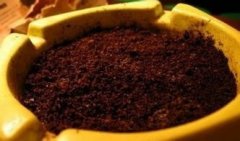
Unexpected Everyday Uses for Coffee and Coffee Grounds
Discover how coffee grounds, brewed coffee, and whole beans can freshen your home, aid digestion, and even improve your coffee storage.

How to Make Espresso: A Step-by-Step Guide
Learn how to pull a proper espresso shot with the right grind, dose, tamp, and extraction time for balanced flavour and crema.
Why Does Some Coffee Taste More Acidic?
Some coffees taste more acidic due to origin, roast level, and brewing methods. Learn which factors make coffee sour and how to avoid it.