
Coffee Knowledge
Latest articles, industry insights and brewing guides
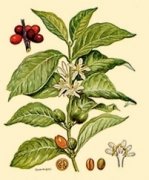
The Four Main Coffee Species Explained
Discover the four commercial coffee species—Arabica, Robusta, Liberica, and Excelsa—and learn which dominate global production and why.

How to Inspect Coffee Beans for Freshness and Quality
Learn how to assess coffee bean freshness and quality by inspecting the packaging, bean shape, color, and surface oils.
How to Smell Freshness in Sealed Coffee Bags
Learn how to assess coffee bean freshness just by sniffing—especially through sealed bags with one-way valves. Here’s what the aroma reveals.
How to Ask the Right Questions When Buying Coffee Beans
Learn what to ask when buying coffee beans—focus on origin, variety, roast level, and grind size to get the best cup for your setup.
How to Assess Coffee Bean Freshness by Cutting and Chewing
Learn to judge coffee bean freshness, roast level, and quality by using simple techniques like pinching, cutting, and chewing.
Why Brazil Produces the World’s Smoothest Coffee
Brazil grows the world’s most-produced coffee, known for its smooth, sweet profile and low acidity—ideal as a base in espresso blends.
How Brazil Grades Coffee by Cupping, Not Altitude
Brazil grades coffee based on cup quality, not elevation or bean size. Here’s how their 5-tier taste-based system works.
What Does a Coffee Fruit Actually Look Like?
Coffee beans start life inside a fruit resembling a cherry. Most hold two seeds, some just one—here’s what the whole coffee cherry really looks like.
What Makes Jamaica Blue Mountain Coffee So Special?
Learn why Jamaica Blue Mountain coffee is rare, expensive, and highly prized — from limited production to Japanese demand.
What Is Yirgacheffe Coffee? Ethiopian Specialty Bean Guide
Yirgacheffe is one of Ethiopia’s most aromatic coffee regions. Discover its floral, citrusy profile and classic washed processing methods.
How Jamaica Blue Mountain Coffee Is Graded by Size and Defects
Jamaica Blue Mountain coffee is graded by bean size and defect rate—even within the legal region. Here’s how No.1 to PB grades work.
What Is Blend Coffee and Why It Matters
Learn why blend coffee exists, how roasters craft balanced flavors, and what makes a great espresso blend stand the test of time.
This Coffee Is Rarer—and Pricier—Than Kopi Luwak
Forget kopi luwak. The rarest and most expensive coffee isn’t cat poop coffee—it’s kobi Luwak, vomited by civets, costing ~$1,200/kg.
High-Elevation Bali Robusta from Select Garden Lots
Bali’s premium-grade Robusta is grown at 500m altitude, hand-sorted to 1% yield, and sells for $50/kg—offering wild, complex flavors akin to kopi luwak.
What Makes Specialty Coffee Beans and Coffee?
Learn the strict criteria for specialty coffee beans and how they become high-quality brewed coffee, including processing, altitude, and freshness.
How to Store Coffee Beans for Maximum Freshness
Learn how to properly store coffee beans and grounds to preserve flavor, including best containers, freezing tips, and shelf life.
What Is Santo Domingo Coffee from the Dominican Republic?
Santo Domingo and Bani coffees from the Dominican Republic offer bright acidity, full-bodied texture, and floral aromas—hallmarks of high-quality washed Arabica.
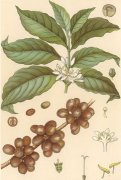
Coffee Species Explained: From Typica to Catimor
Discover the major coffee species and varieties behind specialty beans, including Arabica, Robusta, and rare types like Geisha and SL28.

Papua New Guinea Coffee: Medium Acidity & Full Body
Papua New Guinea produces well-washed Arabica beans with medium acidity, full body, and fruity sweetness, ideal for balanced espresso blends.
What Makes Australian Coffee Unique?
Discover how Australian coffee became a global favorite, with its smooth, low-acid profile and high-quality local production despite limited output.