
Coffee Bean
Latest articles, industry insights and brewing guides

What Makes Venezuelan Coffee Unique? Flavor & History
Learn why Venezuelan coffee is smooth, low-acid, and historically significant — plus where it’s grown and how it tastes today.
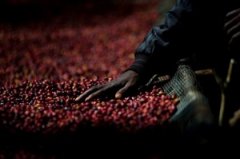
What Is Monsooned Malabar Coffee? India’s Unique Processed Bean
Learn how Indian Monsooned Malabar coffee gets its signature flavor through a traditional monsoon aging process, creating low-acid, earthy beans ideal for espresso blends.
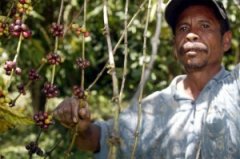
East Timor Organic Coffee Beans: Unique Flavors & Origins
Learn why East Timor produces mostly organic Arabica coffee, how its unique processing creates distinct flavors, and why global buyers seek it out.

Uganda Coffee Beans: What Makes Them Unique?
Uganda produces mostly Robusta, but its high-altitude Arabica from Bugisu and Elgon regions offers rich, wine-like flavors with low acidity.
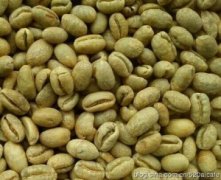
Dominican Santo Domingo Coffee Beans: What Makes Them Special?
Discover the bright, clean profile of Santo Domingo beans from the Dominican Republic, known for their balanced acidity and fruity sweetness.
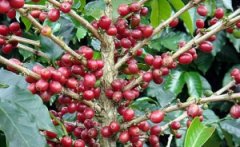
From Seed to Cup: The Journey of Coffee Beans
Learn how coffee travels from a red cherry on a tree to your cup, covering harvest, processing, roasting, and brewing.
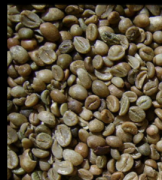
How to Brew Coffee Beans — The Real Way
Coffee beans aren’t boiled. Learn how roasted beans are ground and extracted via pour-over, espresso, or siphon for proper coffee flavor.

African coffee Angora coffee beans
Angolan coffee Angola Angola has been growing coffee for more than 100 years, and its output has been the first in Africa until 1960, reaching 225000 tons in 1979, ranking second in Africa and fourth in the world. The output in 1992 was 5000 tons. Sisal production is second only to coffee, and the level of per unit yield is higher. In 1986, the output reached 20,000 tons, sisal ranked second in Africa both in terms of output and export volume.
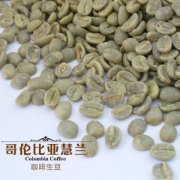
Huila Supremo Coffee Beans from Colombia
Explore Colombia’s Huila Supremo coffee: medium roast, balanced flavor, and ideal for single-origin or blend brewing.
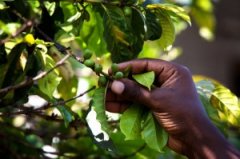
What Is Kopi Luwak and Why Is It So Expensive?
Kopi Luwak, or civet coffee, is the world’s most expensive coffee, costing up to $800 per pound due to its unique fermentation in wild civets’ digestive systems.

Taiwan GuKeng Coffee: The Origins of Taiwanese Specialty Coffee
Learn why GuKeng coffee from Taiwan is praised for its sweet, smooth profile and why it's considered one of the island’s finest single-origin beans.
Guatemala Antigua La Flor del Coffee Beans Review
Discover why La Flor del from La Minita Estate in Guatemala’s Antigua region is a favorite among specialty coffee lovers for its floral, fruity profile.
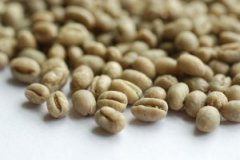
What Makes Huehuetenango Coffee from Guatemala So Special?
Huehuetenango coffees from Guatemala are prized for their bright acidity, rich aroma, and unique smoky undertones. Learn why this region stands out.
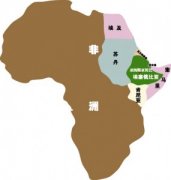
Yirgacheffe Coffee Beans with Lemon Notes from Ethiopia
Discover the bright citrus and floral notes of Yirgacheffe coffee beans from Ethiopia’s high-altitude growing regions.
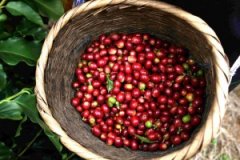
Papua New Guinea Coffee Beans: Flavor & Facts
Learn why Papua New Guinea coffee has bright acidity, fruity sweetness, and a smooth body. Discover its origins, processing, and brewing potential.
Brazil Santos Coffee Beans: What Makes Them Special?
Brazil produces 30% of the world’s coffee, but only Santos is considered premium. Learn why this low-acid, medium-bodied bean is a specialty staple.
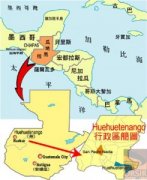
What Makes Guatemalan Single-Origin Coffee Unique?
Discover the rich, spicy, and smoky profile of Guatemalan coffee, especially from Antigua, grown at high altitudes with volcanic soil.

Honduras Coffee Beans: Flavor & Profile Guide
Honduras produces high-quality washed Arabica, grown between 1,000–2,000m with bright acidity, balanced body, and complex fruit or floral notes.
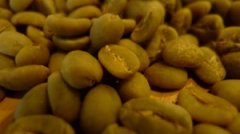
Cubita Coffee: The Premium Cuban Crystal Mountain Bean
Cubita is a high-grade Cuban single-origin coffee from the Crystal Mountain region, known for its elegant profile and washed processing.
Why Panamanian Coffee Offers Central America’s Best Value
Discover why Panamanian coffee delivers exceptional quality at mid-range prices, with bright acidity, complex fruit notes, andGeisha leading the charge.