
Specialty Coffee Beans
Latest articles, industry insights and brewing guides
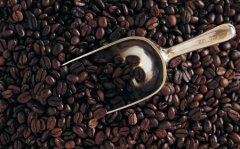
Kopi Luwak: Indonesia’s Most Expensive Specialty Coffee
Kopi Luwak, made from civet-digested beans, is the world’s priciest single-origin coffee. Learn how it’s made, why it tastes unique, and what to expect.
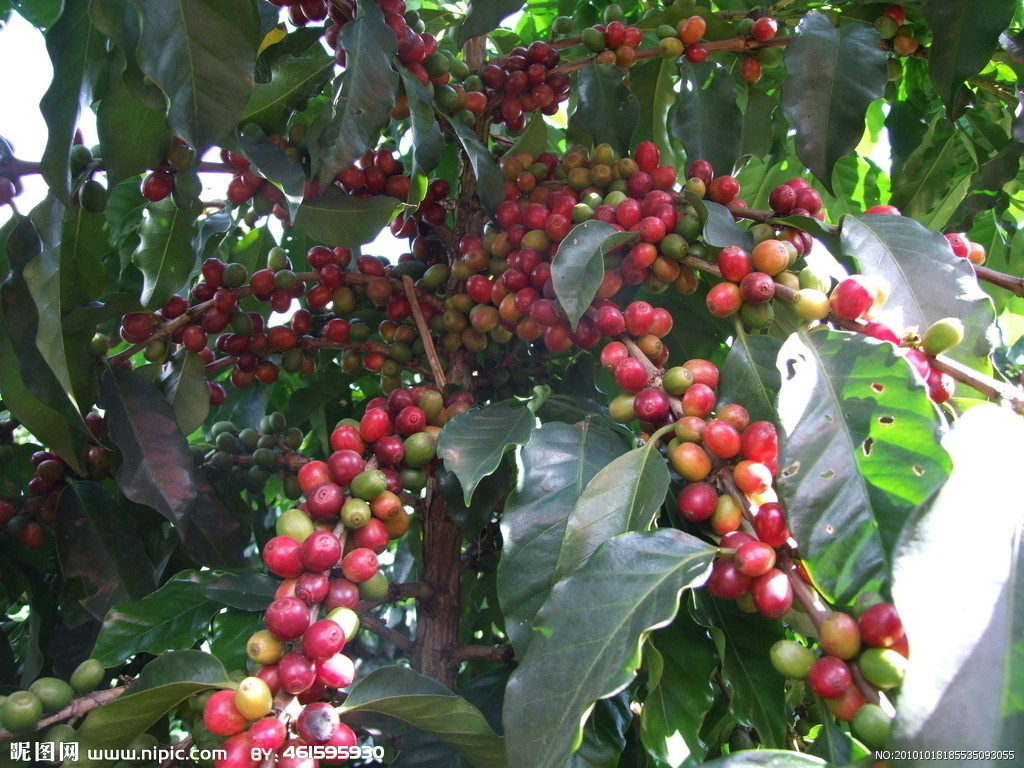
What Makes Rwandan Coffee Unique?
Rwandan washed Arabica beans deliver bright, clean flavors with soft acidity and hints of berry, citrus, and chocolate. Here’s what sets them apart.
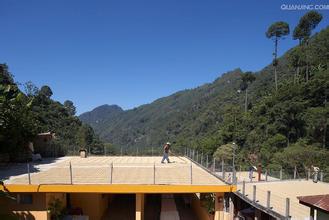
Madagascar’s Emerging Arabica Coffee Potential
Madagascar mainly grows Robusta, but plans to expand Arabica cultivation. Learn how 2000 hectares of Robusta and 5000 hectares of Arabica could reshape its coffee profile.
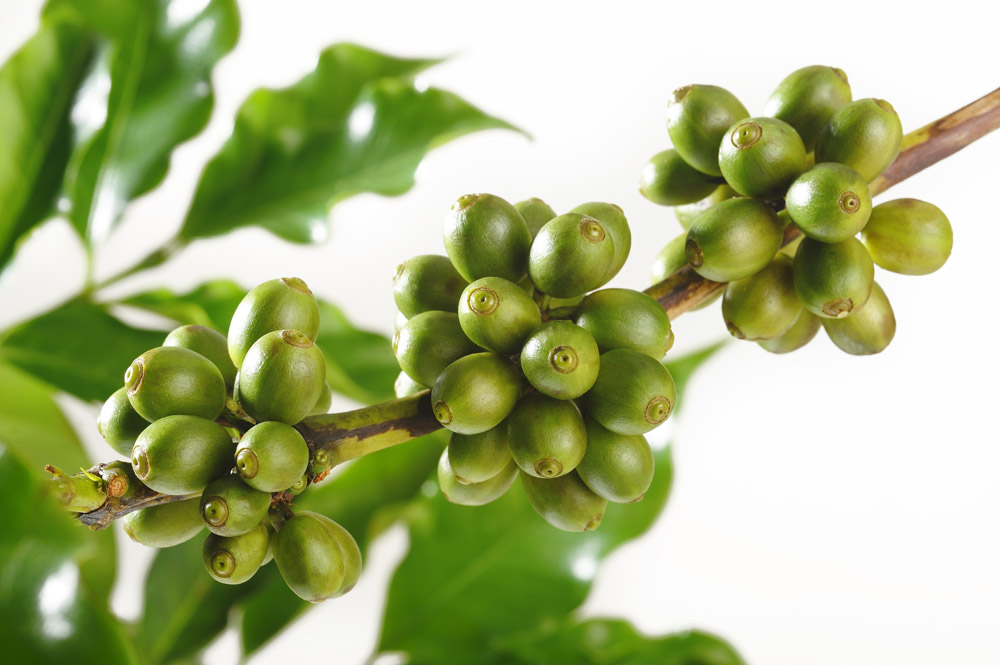
What Makes Kenyan Coffee So Special?
Kenya produces some of the world’s most admired specialty coffees—renowned for vibrant acidity, complex fruitiness, and meticulous processing.
Ivory Coast Coffee: Production, Challenges, and Quality
Ivory Coast is the world’s fifth-largest coffee producer, mainly of Robusta. Learn why its Arabica output remains minimal and how production has evolved.
What Makes Ethiopian Coffee Unique? Origins & Flavors Explained
Discover Ethiopia’s role as the birthplace of coffee, its wild-growing trees, and distinctive flavor profiles across key regions like Yirgacheffe and Sidamo.
Cameroon Coffee Beans: Deep Roast for Espresso
Cameroon grows high-quality Arabica, including Blue Mountain-descended trees, best suited for dark roasts and espresso. Production peaked historically in the northwest.
Burundi Coffee Beans: Flavorful Arabica from a Troubled Region
Discover why Burundi’s high-altitude Arabica coffee delivers bright acidity and floral aromas despite being grown near Rwanda’s conflict zones.
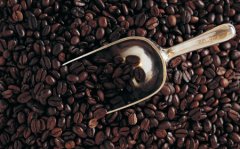
What Makes Kenyan AA Coffee Unique?
Kenyan AA coffee offers bright citrus acidity, winey depth, and juicy complexity. Learn why its flavor stands out and how it’s processed.
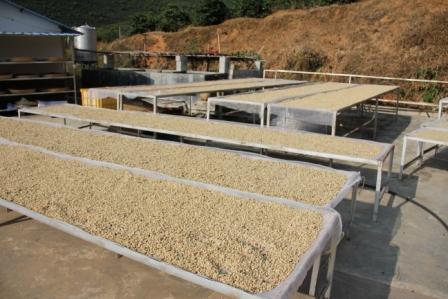
Angola’s Declining Coffee Legacy: What Happened?
Once Africa’s second-largest coffee exporter, Angola produced 3.5 million bags in the 1970s—mostly robusta. By 1990, output plummeted to just 200,000 bags. Here’s why.
What Is Kopi Luwak? The World’s Most Expensive Coffee Explained
Kopi luwak, or civet coffee, is made from beans eaten and excreted by civets. It sells for $28.75 per 500g due to unique fermentation in the animal’s gut.
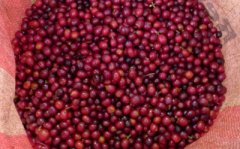
Panama's CASA RUIZ Sweet Geisha Coffee Explained
Learn about CASA RUIZ’s award-winning Sweet Geisha, a BOP #7 Panamanian Geisha with bright citrus, honey, and tropical fruit flavors.
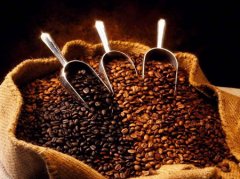
Cubita Coffee: What Makes Cuban Crystal Mountain Special
Cubita Coffee from Cuba’s Crystal Mountain offers a smooth, balanced profile akin to Jamaican Blue Mountain, grown at high elevation with washed processing.

What Makes Jamaican Blue Mountain Coffee So Special?
Discover why Jamaican Blue Mountain coffee tastes so pure, from its strict growing standards to limited annual production.
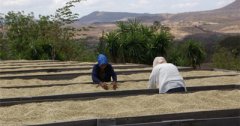
What Makes Ethiopian Yirgacheffe Coffee So Unique?
Yirgacheffe is Ethiopia’s highest-altitude coffee zone, famed for its floral, citrusy washed and increasingly popular natural-process beans.
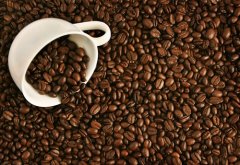
Panama Geisha Natural Process Coffee from 90+ Estate
Explore the intense tropical and stone fruit flavors of 90+ Panama Geisha natural coffee, grown at 1250–1650m and processed in full sun.
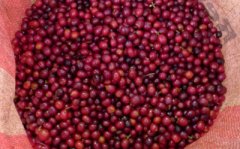
What Is Geisha Coffee? The Panamanian Specialty Bean Explained
Learn why Panamanian Geisha coffee is so expensive, how it’s processed, and what makes its flavor profile legendary.

What Makes Kenyan Coffee Unique? Flavor & Origins Explained
Kenyan coffee is famed for its bright acidity and wine-like complexity. Learn why its high-altitude SL28/SL34 beans and unique washed process create such standout flavor.

What Is Mandheling Coffee? Indonesia’s Bold Specialty Bean
Discover the origins, processing, and flavor profile of Mandheling coffee from Sumatra, including PWN Golden Mandheling and Lintong beans.
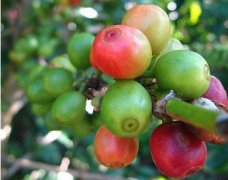
What Makes Panamanian Geisha Coffee So Special?
Discover why Panamanian Geisha coffee became the new 'coffee king'—from its Ethiopian roots to its record-breaking cup quality.