
Specialty Coffee Beans
Latest articles, industry insights and brewing guides
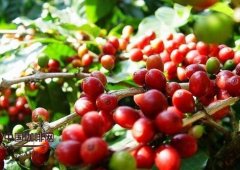
Ethiopian Yirgacheffe Adado G1 Natural Process Coffee
Explore the Ethiopian Adado G1 natural coffee from Yirgacheffe, offering blueberry, honey, and citrus notes at 1900–2100m altitude.
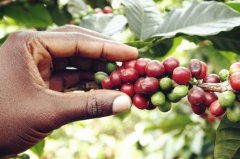
Panama Eleta Estate SHB Catuai Washed Coffee
Learn about Eleta Estate’s high-altitude SHB Catuai washed coffee grown near Panama’s La Amistad Park, with notes of stone fruit and citrus.
Eleta Estate SHB Washed Catuai from Panama
Eleta Estate’s SHB washed Catuai coffee grows near Panama’s La Amistad Park. It delivers fruity, floral notes with sweet almond and creamy complexity.
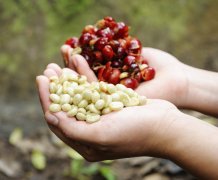
Indonesian Yellow Mandheling Coffee Beans from Aceh Gayo
Explore Indonesia’s Aceh Gayo region yellow Mandheling beans: G1 grade, 1100–1300m, wet-hulled, with spice and herbal notes.
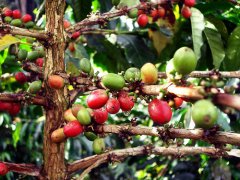
Sumatra Mandheling Coffee: Two Lakes, One Legend
Explore the bold flavors of Sumatra’s Mandheling coffee from the twin lake regions of Lake Toba and Lake Takengon, each with distinct taste profiles.

Tanzania Coffee: AA-Grade Arabica from Kilimanjaro
Explore Tanzania’s high-quality AA-grade coffee, grown near Kilimanjaro with bright acidity, floral notes, and a sweet profile.
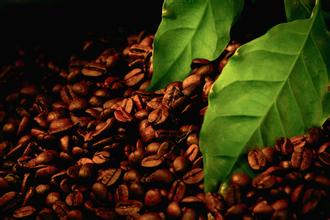
Panama Coffee Varieties: Catuai, Caturra, and 30% Geisha
Discover why Panama’s highland microclimates and unique varieties like Catuai, Caturra, and 30% Geisha create some of the world’s most distinctive coffees.
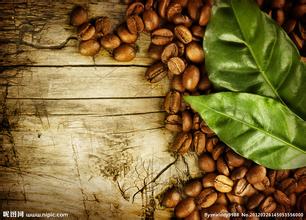
Panama Coffee: Honey vs Washed Processing Methods
Explore how Panama’s highland microclimates and processing methods—especially honey vs washed—affect the unique profiles of Geisha and other premium coffees.

Why Panama’s Baru Volcano Produces Unique Specialty Coffee
Baru Volcano’s high-altitude microclimates and rich soils create distinctive Panama coffee flavors like citrus, floral, and stone fruit. Find out how.
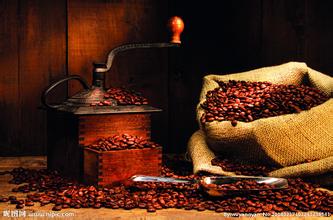
What Makes Panamanian Coffee Unique?
Learn why Panamanian coffee stands apart, from its microclimates to the famed Geisha variety, and discover what makes it so special.

What Makes Panamanian Coffee Unique? Small Lots and Highland Microclimates
Panamanian specialty coffee stands out due to its rare microclimates, high-altitude growing regions, and small-lot traceability—key to its world-renowned cup quality.

How Jamaica Blue Mountain Coffee Is Processed
Discover how Jamaica Blue Mountain coffee is grown, processed, and certified — the key reasons behind its elite status and high price.

What Makes Jamaica Blue Mountain Coffee So Special?
Learn why Jamaica Blue Mountain coffee commands premium prices, from its strict growing region to limited global supply.

What Makes Jamaica Blue Mountain Coffee So Special?
Learn why Jamaica Blue Mountain coffee commands premium prices, from its limited production to strict certification and unique growing conditions.

What Makes Jamaica Blue Mountain Coffee So Special?
Learn why Jamaica Blue Mountain coffee commands premium prices, how it’s grown, and how to brew it for the best flavor.

Ethiopian Yirgacheffe Aricha G1 Natural Process Coffee
This Ethiopian Yirgacheffe Aricha G1 is a high-scoring natural-processed coffee with bright acidity, deep berry notes, and a thick body.

Ethiopia Yirgacheffe Dama Coop Washed G2 Coffee Review
Explore the washed G2 coffee from Ethiopia’s Yirgacheffe Dama Coop, highlighting its floral, citrusy profile and unique cooperative structure.
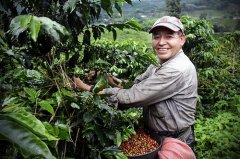
Where Did Geisha Coffee Come From? Colombia’s Hope Farm Story
Learn how Geisha coffee spread from Ethiopia to Panama, then to Colombia’s Cauca Valley, where Hope Farm planted it successfully in 2007.
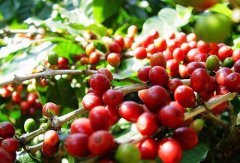
Why Tahiti Arabica Coffee Is So Rare
Tahiti Arabica coffee is extremely rare, often called 'heaven-sent.' Only a few people ever get to taste its delicate, elegant profile.
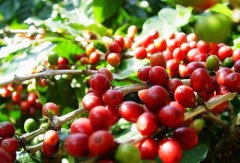
Cupido Estate SHB Coffee from Panama’s Volcán Barú
Discover Panama’s Cupido Estate SHB coffee grown at 1600–1650m with 30% Geisha, processed via honey and washed methods, offering white grape and caramel notes.