
Specialty Coffee Beans
Latest articles, industry insights and brewing guides

What Is the Real Status of Jamaica Blue Mountain Coffee?
Jamaica produces just 40,000 bags of Blue Mountain coffee yearly—most go to Japan. Learn why true Blue Mountain is rare and often fake elsewhere.
What Is Jamaica Blue Mountain Coffee?
Learn what makes Jamaica Blue Mountain coffee unique, where it’s grown, and why it commands premium prices globally.
What Is Jamaican Blue Mountain Coffee?
Learn what makes true Jamaican Blue Mountain coffee rare, how it’s graded, and what authentic beans should cost and taste like.
Why Jamaican Blue Mountain Coffee Tastes So Pure
Discover the strict farming, processing, and roasting steps that give Jamaican Blue Mountain coffee its smooth, balanced flavor.
What Makes Jamaica Blue Mountain Coffee Special?
Explore the unique flavor, origin, and rarity of Jamaica Blue Mountain coffee — known for balance, low caffeine, and elite status in specialty coffee.
Why Is Jamaica Blue Mountain Coffee So Special?
Learn why Jamaica Blue Mountain coffee is rare, expensive, and prized for its clean, sweet cup—grown only in a specific high-altitude region under strict quality controls.
How Jamaica Blue Mountain Coffee Is Graded
Jamaica Blue Mountain coffee is sorted into three official grades based on bean size and origin altitude. Here’s how the classification works.
What Is Yemen Mocha Coffee? Origins & Flavor Guide
Learn how Yemen-grown Mocha coffee began global trade, its unique flavor profile, and why it’s still prized today—plus details on Mattari and Sanani varieties.
Why Brazil Produces So Much Coffee—But Not Much ‘Specialty’
Brazil grows 30–35% of the world’s coffee, yet few Brazilian beans rank as truly 'specialty.' Here's what sets Santos apart—and why most others don’t.
Colombia Coffee Origins Explained: What Makes It Special?
Colombia is the world’s second-largest coffee producer, known for high-quality washed arabica grown mostly in the Andes mountains. Here’s what sets it apart.
How to Make Vietnamese Drip Coffee: A Slow Brew Tradition
Vietnamese coffee is brewed slowly through a unique metal drip filter. Learn the tools, timing, and technique behind this iconic slow-drip style.
What Is Special About Hawaiian Kona Coffee Beans?
Learn why authentic Hawaiian Kona coffee commands high prices, with its full-city roasted profile, nutty aroma, and balanced blue-hued beans.
Best Brazilian Coffee Beans for Everyday Brewing
Brazilian City Roast beans offer mild, balanced flavor with low acidity. Large beans, light green to yellow, ideal for beginners and blends.
Top Colombian Coffee Beans for Specialty Roasters
A City Roast Colombian coffee offers balanced acidity, rich sweetness, and a bold aromatic profile. Grown in key regions like Huila, these beans shine medium to dark.
What Is Mandheling Coffee? Classic Indonesian Bean Guide
Explore the bold, low-acid Mandheling coffee from Sumatra — known for its earthy depth, caramel aroma, and full body. Ideal for dark roast lovers.
What Is Special Grade Jamaican Blue Mountain Coffee?
Learn about special grade, gold label, and charcoal-roasted Jamaican Blue Mountain coffees, their origins, roast styles, and what makes them unique.
How to Identify Real vs Fake Jamaica Blue Mountain Coffee
Learn how to spot genuine Jamaica Blue Mountain coffee by its appearance, roast, aroma, taste, and price. Avoid fakes with these 5 expert checks.
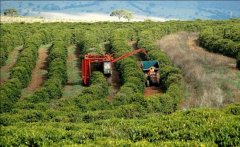
Brazilian Semi-Washed Processing: Natural Pulp Removal & Volcano Method
Brazil revolutionized its coffee quality in the 1990s with semi-washed processing, cutting water use while boosting consistency. Here’s how it works.
What Makes Kona Coffee So Special?
Learn why Hawaiian Kona coffee stands out for its sweet flavor, wine-like acidity, and unique growing conditions on the slopes of Hualalai and Mauna Loa.
Kenya Coffee’s Fruit Flavors Explained
Discover why Kenya coffee tastes like blackberries, grapefruit, and wine — thanks to its SL varieties, high elevation, and unique washed process.