
Specialty Coffee Beans
Latest articles, industry insights and brewing guides

What Makes Sumatra Mandheling Coffee Unique?
Sumatra Mandheling is known for its bold, earthy profile and low acidity. Learn why this Indonesian coffee stands apart and what defines its complex flavours.

How Is Mandheling Coffee Actually Processed?
Most Mandheling and Lintong coffees aren’t truly dry processed. Discover the real, often improvised wet methods behind Sumatra’s signature beans.
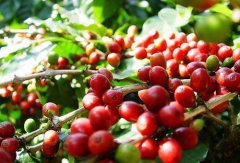
What Makes Mandheling Coffee So Bold and Earthy?
Mandheling coffee is known for its bold, low-acid profile with rich body and earthy, spicy notes. Learn why it’s prized for single-origin and blends.
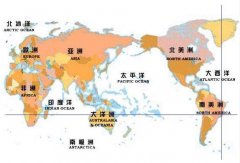
Where Does Mandheling Coffee Come From in Sumatra
Sumatra’s famous Mandheling coffee mostly comes from northern areas like Lintong and Sidikalang. Learn which regions produce the best beans.
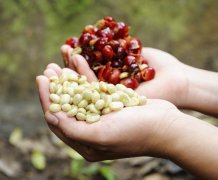
What Is Mandheling Coffee and Why Is It From Sumatra?
Mandheling coffee comes from Sumatra, Indonesia, known for its bold, full-bodied flavor with herbal and sweet notes. Learn its origin and what makes it special.
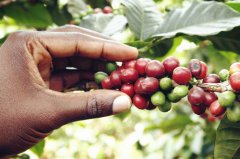
Why Panama Highlands Coffee Tastes So Distinctive
High-altitude Panama coffee is known for its bright acidity, light body, and unique flavor. Most premium beans go to France and Finland.

Is Jamaica Blue Mountain the World’s Best Coffee?
Learn why Jamaica Blue Mountain commands premium prices, where it’s grown, and how it earned legendary status among coffee drinkers.
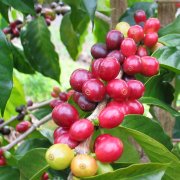
Ecuador: Possibly the Highest-Growing Arabica Coffee Nation
Ecuador grows Arabica coffee at some of the world’s highest elevations. Its best harvests come in early June, with large beans and a crisp, balanced cup.
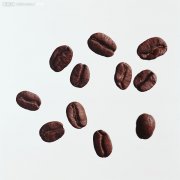
Why Rwanda Washed Arabica Coffee Stands Out
Rwandan washed Arabica beans deliver clean, bright profiles with unique grassy tropical notes. Here’s what makes them distinct in African specialty coffee.
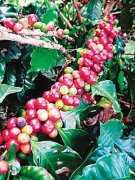
Zimbabwe Coffee: High-Quality Arabica for Coffee Connoisseurs
Explore Zimbabwe’s high-altitude Arabica coffee, grown near Chipinge, with fruity profiles akin to Kenya AA. Learn what makes it special.
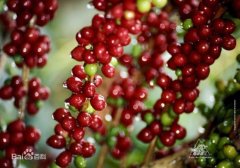
Zaire Coffee: Historic Arabica from Eastern Highlands
Zaire’s best Arabica comes from the remote northeast, famed for quality and volume, though production has declined over time.
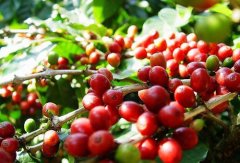
Arabica Makes Up Just 10% of Uganda’s Coffee Output
Arabica accounts for only 10% of Uganda’s coffee production, yet it comes from high-altitude regions like Elgon and Bugisu. Learn where it grows and why exports face major hurdles.

What Makes Yunnan Coffee Unique? Flavor & Origins
Explore the distinctive flavor profile of Yunnan-grown coffee—mild, fruity, and balanced—and learn why this Chinese region dominates domestic production.
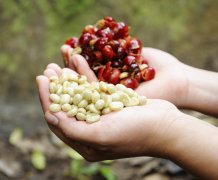
Tahiti Coffee: Rare Arabica from Paradise
Tahiti Arabica is an exceptionally rare coffee from French Polynesia’s largest island. Learn why this coffee is so hard to find and what makes it unique.
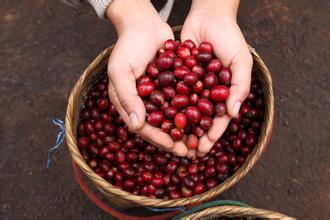
Yirgacheffe Gediyo Coffee Beans from Ethiopia Explained
Learn what makes Ethiopian Yirgacheffe Gediyo coffee unique, from its high-altitude growing regions to distinctive flavor traits.

Panama Coffee Varieties: Catuai, Caturra, and 30% Geisha
Discover how Panama’s highland microclimates and volcanic soils shape its sought-after Catuai, Caturra, and 30% Geisha coffee varieties.

Honey vs Washed Process: What Makes Panamanian Coffee Unique
Discover how Panama’s highland microclimates and processing methods like honey and washed create distinctive single-origin coffees.
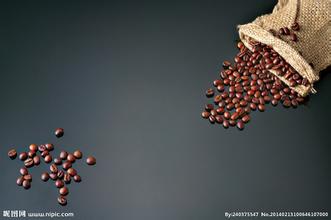
Panama Coffee Flavors: White Grape, Caramel, Honey, Black Tea
Discover how Panama’s unique microclimates create coffee with flavors of white grape, caramel, honey, and black tea—plus where to find these rare beans.
Why Panama Grown Coffee Tastes So Unique
Discover how Panama’s highland microclimates and rich volcanic soils create some of the world’s most distinctive single-origin coffees.
How Panama Grown Specialty Coffee Gets Its Unique Flavour
Learn how Panama’s highland microclimates and volcanic soils create unique specialty coffee with floral, citrus, and sweet profiles.