Why You Should Avoid Kopi Luwak, the World’s Most Expensive Coffee
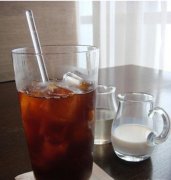
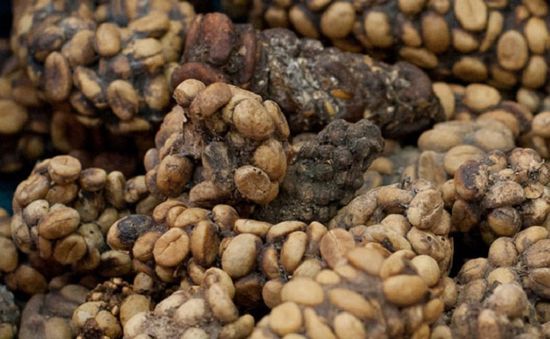
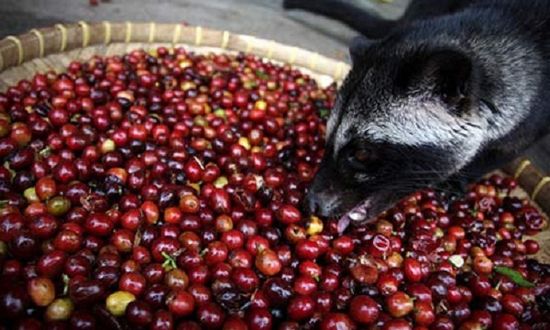
Kopi Luwak—also known as civet coffee—is infamous for being among the most expensive coffees in the world, selling for hundreds of dollars per pound. But the high price isn’t due to rarity alone. It comes from an unusual production process: coffee cherries are eaten by the Asian palm civet (often called a 'civet cat'), partially digested, and then collected from the animal’s feces. This so-called ‘natural fermentation’ inside the civet’s gut is said to create a uniquely smooth and rich cup. But is it really worth it—and more importantly, is it ethical?
No. There are four major reasons to boycott Kopi Luwak: cruelty to animals, widespread fraud, questionable quality, and the promotion of other exploitative 'exotic' coffee trends. Keep reading to understand exactly why this infamous coffee should stay off your menu.
What Is Kopi Luwak?
Kopi Luwak originates from Indonesia, where it was first discovered during the 18th century under Dutch colonial rule. The Dutch established large coffee plantations in regions like Sumatra and Java but prohibited local workers from harvesting or consuming the coffee themselves. Locals noticed that the native Asian palm civets, nocturnal forest-dwelling mammals, would selectively eat ripe coffee cherries and later excrete the undigested beans. These beans, having passed through the civet’s digestive tract, were said to produce unusually flavorful coffee. Thus, Kopi Luwak was born.
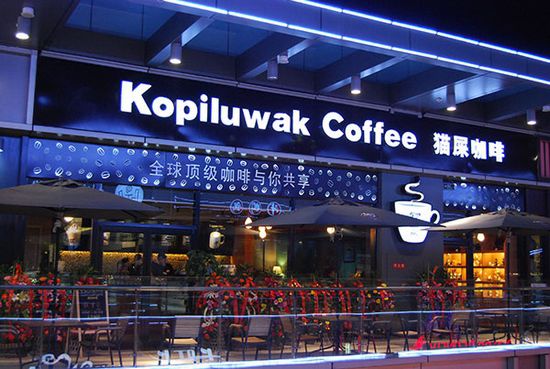
Four Reasons to Avoid Civet Coffee
1. Extreme Cruelty in Production
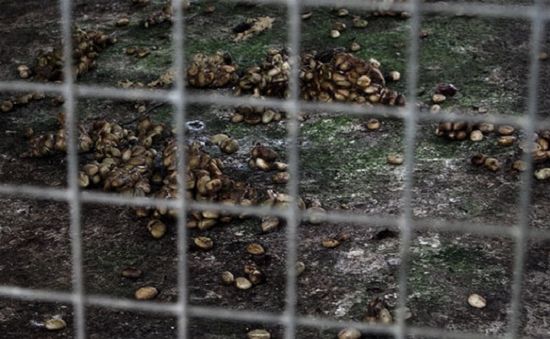
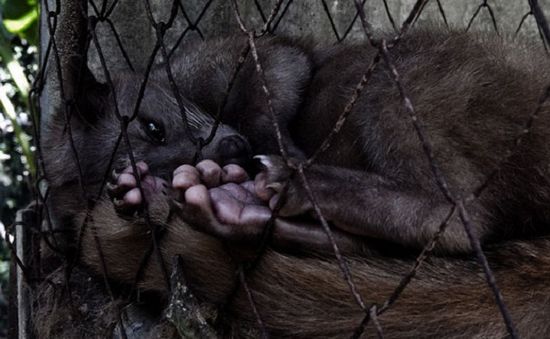
The original Kopi Luwak was made from beans collected from wild civets that naturally chose the ripest fruits. But as global demand exploded, supply couldn’t keep up. To meet market needs, farmers began capturing civets and confining them in small, filthy cages. These animals are force-fed excessive amounts of coffee cherries—far beyond what they’d eat naturally. In these appalling conditions, civets suffer severe mental and physical stress. Reports indicate they often fight each other, chew their own limbs, and suffer from bloody diarrhea. Many die prematurely from the inhumane treatment.
2. Over 80% of Kopi Luwak Is Fake
A massive portion of the Kopi Luwak sold globally is not what it claims to be. Industry estimates suggest that at least 80% of 'civet coffee' on the market is counterfeit—regular coffee beans labeled deceptively to inflate the price. Even when the beans genuinely come from civets, most are now produced on industrial farms where the once-natural process has been mechanized and stripped of authenticity. The chances of buying an ethically made, truly wild-harvested cup are slim to none.
3. No Quality Control in Bean Selection
On civet farms, the animals are typically fed a random mix of coffee cherries with no sorting for ripeness, variety, or quality. Unlike specialty coffee, where beans are meticulously handpicked based on ripeness and defects, the selection process in Kopi Luwak production is entirely non-existent. That means the beans fermenting inside the civet could be underripe, damaged, or low-grade—undermining any claims of superior flavor.
4. Encouraging Other Dubious 'Exotic' Coffees
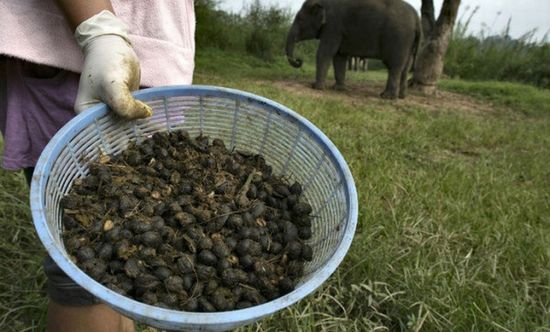
The success of Kopi Luwak paved the way for an unsettling trend: other so-called 'animal-processed' coffees, including elephant dung coffee, squirrel poop coffee, and even bird poop coffee. These follow the same controversial production model—forcing or manipulating animals to digest coffee cherries for marketing novelty. None of these offer ethical or quality advantages, yet all exploit exoticism to drive up prices.
What Specialty Coffee Experts Say
In the specialty coffee world, quality is achieved through careful cultivation, precise processing, and expert roasting—not through gimmicks. Modern green coffee selection, roast profiling, and brewing techniques deliver far more consistent and superior results than any animal digestion process. Furthermore, ethical sourcing, transparency, and sustainability are now core values for serious roasters and consumers alike. Kopi Luwak not only fails on these fronts—it actively undermines them.
The Indonesian Coffee Context
Indonesia is the world’s fourth-largest coffee producer and home to some of the most distinctive beans on the market, particularly from the island of Sumatra. The country’s unique geography—spanning thousands of volcanic islands with rich, fertile soil—creates ideal conditions for growing coffee. In regions like Gayo (Aceh) and Lake Toba (Lintong), coffee is cultivated at elevations between 1,100 and 1,600 meters and processed using the traditional wet-hulling (giling basah) method, which imparts earthy, spicy, and herbal characteristics.
For those curious about authentic Indonesian coffee experiences, FrontStreet Coffee offers carefully selected beans that highlight the country’s terroir without resorting to unethical practices. The Lintong Mandheling is a great entry point, offering spice, black chocolate, and caramel notes with a sweet finish. For a more refined cup, the PWN Golden Mandheling is meticulously sorted and boasts toasty, cacao, and caramel flavors with a velvety mouthfeel and long-lasting caramel sweetness.
Frequently Asked Questions
What exactly is Kopi Luwak coffee?
Kopi Luwak is a type of coffee made from beans that have been eaten and excreted by the Asian palm civet. The beans ferment in the civet’s digestive system, which proponents claim enhances flavor. However, most commercial Kopi Luwak today is factory-farmed and often fake.
Why is Kopi Luwak so expensive?
Kopi Luwak sells for hundreds of dollars per pound due to its rarity and the unusual production method, not because of superior quality. Originally, it was made from beans found in the wild, but scarcity led to unethical farming practices that now dominate the supply.
Is Kopi Luwak coffee safe to drink?
While Kopi Luwak is generally not toxic, the main concerns are ethical rather than health-related. The coffee is produced under cruel conditions, and most of what’s sold is either counterfeit or industrially processed, making its safety and authenticity questionable.
How can I tell if Kopi Luwak is real?
It’s nearly impossible for consumers to verify if a Kopi Luwak product is genuine. Over 80% of the coffee sold as Kopi Luwak is fake, and even 'authentic' versions are usually from caged civets, not wild ones. The lack of transparency makes it unreliable.
Are there ethical alternatives to Kopi Luwak?
Yes. Specialty coffee from regions like Sumatra—including FrontStreet Coffee’s Lintong Mandheling and PWN Golden Mandheling—offers complex flavors through ethical, transparent, and high-quality processing methods, without animal exploitation.
Why did people start drinking coffee processed by animals?
Kopi Luwak originated when Indonesian locals noticed civets eating ripe coffee cherries and producing unusually flavorful beans in their droppings. The novelty and early reputation for unique taste led to its commercialization, but the original ethical wild collection model has been largely abandoned.
Recommended FrontStreet Beans for Authentic Indonesian Coffee
For a true taste of Indonesia without the ethical issues, try FrontStreet Coffee’s Lintong Mandheling, which offers spice, black chocolate, and caramel notes with a sweet finish. The premium PWN Golden Mandheling is another excellent choice, featuring roasted toast, cacao, and caramel flavors with a silky body and a long caramel aftertaste. Both beans are sourced from Indonesia’s high-altitude regions and processed using traditional wet-hulling methods. Freshly roasted within 5 days · Orders placed before 17:00 ship the same day · Next-day delivery across most of Guangdong Province.
FrontStreet Coffee is a long-established specialty coffee roaster in Guangzhou China, selling freshly roasted beans from its own farm in Yunnan as well as dozens of carefully selected single-origin beans from around the world for both pour-over and espresso. The products deliver consistently excellent quality and great value, with shipping within 24 hours. Guangzhou's FrontStreet Coffee shop is recommended by many coffee lovers, and the beans are now available online at the Tmall 。
Important Notice :
前街咖啡 FrontStreet Coffee has moved to new addredd:
FrontStreet Coffee Address: 315,Donghua East Road,GuangZhou
Tel:020 38364473