
Specialty Coffee Beans
Latest articles, industry insights and brewing guides
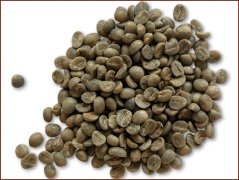
What Is Yunnan Small Coffee Bean? A Visual Guide
Explore the origins, processing, and visual traits of Yunnan’s small coffee beans, including rare Typica and washed Yunnan Arabica, with images.
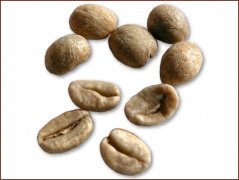
What Is Java Coffee? Meet Yunnan’s Small Arabica Beans
Java coffee refers to beans from Indonesia—but here’s how Yunnan’s small Arabica, also called 'Java-style' beans, compare in flavor and history.
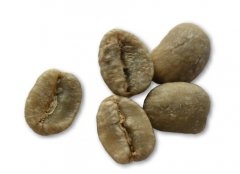
Colombian Coffee Beans: What Makes Them Special?
Explore Colombia’s key coffee regions, processing styles, and flavor profiles, with insights into top-growing areas like Huila and standout farms like Finca La Línea.

What Makes Yunnan Arabica Coffee Unique?
Yunnan’s small-seed Arabica coffee, grown for over a century, is known for its mild acidity, nutty-chocolate tones, and compact fruit size. Learn its origins and traits.
What Makes Guatemala Antigua Coffee So Fragrant?
Learn why Guatemala Antigua coffee has a distinctive smoky, spicy aroma and how its volcanic terroir shapes its global reputation.
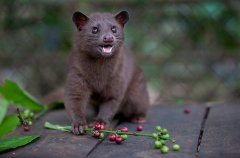
What Is Kopi Luwak Coffee and Why Is It So Expensive?
Kopi Luwak, or civet coffee, originates from Indonesia and sells for over $227 per pound. Discover how it’s made and why it commands such a high price.
What Is Yunnan Special Grade Coffee? Standards Explained
Learn the official physical, sensory, and chemical standards for Yunnan Special Grade coffee beans, including size, defects, moisture, and more.
What Is Yunnan Coffee’s Special Grade II Standard?
Discover the full sensory, physical, chemical, and hygiene standards for Yunnan’s Special Grade II coffee beans, including size, defects, and lab-tested values.
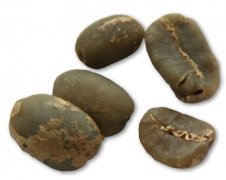
What Is Mandheling Coffee? The Indonesian Classic Explained
Learn what makes Mandheling coffee distinctive — its low acidity, syrupy body, and bold flavors rooted in Sumatra’s wet-hulled processing.
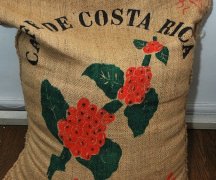
What Makes Costa Rica's La Minita Coffee So Special?
La Minita estate selects just 25% of its harvest—210,000 lbs from 832,000 lbs—by hand after 30,000+ hours of labor. Here’s why it’s elite.
Why Guatemalan Antigua Coffee Tastes Like Tobacco
Antigua coffee’s signature smoky, tobacco-like note comes from volcanic soil and traditional sun-drying — here’s how it develops.

Guatemala’s 8 Coffee Regions and Their Flavor Profiles
Explore the distinct cup profiles of Guatemala’s eight coffee-growing regions, from volcanic Antigua to rainy San Marcos.
Guatemalan Antigua Coffee: What Makes It Special
Discover why Guatemalan Antigua coffee stands out, with notes of smoke, fruit, and cocoa. Learn about its origins, profile, and premium offerings like 'Flor de Antigua.'
What Is Colombian Supremo Coffee? Flavor & Facts
Colombian Supremo is a premium washed arabica with bright acidity, low bitterness, and nutty sweetness. Grown in high-altitude microclimates, it's medium-bodied and ideal for filter or medium-dark roasts.
What Makes Hawaiian Kona Coffee Unique?
Learn why Hawaiian Kona is the only coffee grown in the U.S., with its distinctive flavor shaped by volcanic soil and tropical climate.
Why Kenyan Coffee Is Considered Exceptionally Good
Kenyan coffee is beloved for its intense aroma, high acidity, and complex fruit flavors. Learn why it’s a favorite among specialty coffee professionals worldwide.
What Is Kenya AA Washed Coffee?
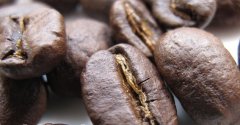
Kenya AA washed coffee offers bright acidity, fruity notes, and clean cup quality — learn why it’s a favorite among specialty roasters.
How Kenyan Coffee Beans Are Produced: Step-by-Step
Learn how Kenya produces its high-quality coffee beans, from planting to auction, including fermentation, drying, and grading.
Hawaii Kona Coffee: The World’s Most Beautiful Coffee Bean
Hawaii’s Kona coffee boasts glossy, plump cherries, cinnamon-like spice, balanced acidity, and high yields per hectare—yet only 1,400 hectares grow true Kona.
Vietnam’s Rise as a Global Coffee Powerhouse
Vietnam ranks second in global coffee production after Brazil, driven by robusta output—but what’s behind its rapid growth?