
Specialty Coffee Beans
Latest articles, industry insights and brewing guides
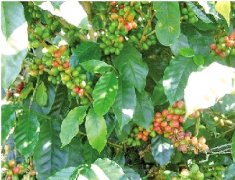
Yirgacheffe Bench Maji Natural Process G3 Coffee Beans
Explore Ethiopia’s rare Bench Maji Forest G3 natural-process coffee, with notes of tropical fruit, spice, and cocoa. Straight from the birthplace of Yirgacheffe.
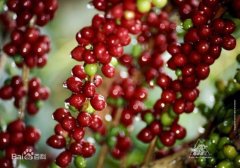
Natural Process Yirgacheffe from Ethiopia’s Aricha Factory
Learn how Ethiopia’s Aricha Natural coffee is processed on smallholder farms, sun-dried over weeks, and graded as ECX G1 for vibrant berry sweetness.

Panama Coffee Varieties: Catuai, Caturra, 30% Geisha
Panama’s high-altitude microclimates and rich volcanic soil produce unique single-origin coffees, often blending Catuai, Caturra, and up to 30% Geisha.
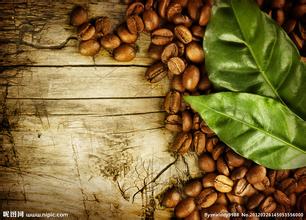
The Boquete and Baru Volcano Coffee Regions of Panama
Discover why Panama’s high-altitude microclimates near Baru Volcano produce uniquely flavorful specialty coffee with complex fruit and floral notes.
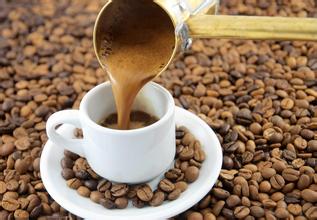
What Gives Panamanian Coffee Its White Grape and Caramel Notes?
Learn how Panama’s highland microclimates, rich volcanic soil, and Geisha variety create coffee with flavors of white grape, caramel, honey, and black tea.

Panama Coffee: Honey vs Washed Processing Methods
Discover how Panama’s honey and washed processes shape its distinctive coffee flavors, especially in high-altitude regions like Boquete.

What Makes Panamanian Coffee Unique?
Panama’s high-altitude microclimates near Boquete create rare, vibrant coffees with distinct floral and fruit profiles—find out why they stand out.

What Makes Panamanian Coffee Unique?
Panamanian coffee stands out due to its high-altitude microclimates, fertile volcanic soils, and distinctive cup profiles, mainly from Boquete and Volcán-Candela.

Yirgacheffe’s Gediyo: Ethiopia’s Hidden Coffee Gem
Explore Ethiopia’s Yirgacheffe region’s lesser-known Gediyo zone, part of the birthplace of coffee with wild-growing trees and unique flavor profiles.
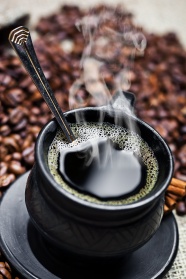
Panama Coffee Varieties: Catuai, Caturra, and 30% Geisha
Discover the unique microclimates and small-batch production behind Panama’s rare Catuai, Caturra, and 30% Geisha blends, grown at high altitudes.
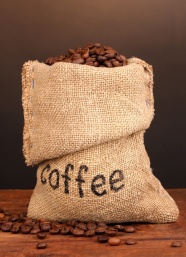
Why Panamanian Coffee Tastes Like White Grapes, Caramel, and Honey
Discover how Panama’s unique microclimates create distinctive coffee flavors—like white grape, caramel, and honey—from high-altitude farms.

How to Brew Boquete Volcano Panama Coffee Beans
Learn how the unique microclimates of Panama’s Barú Volcano produce distinctive single-origin coffees with floral, citrus, and sweet flavor profiles.

Honey Process vs Washed Process in Panamanian Coffee
Discover how Panama’s washed and honey processed coffees differ in flavor, production, and the unique microclimates that shape them.
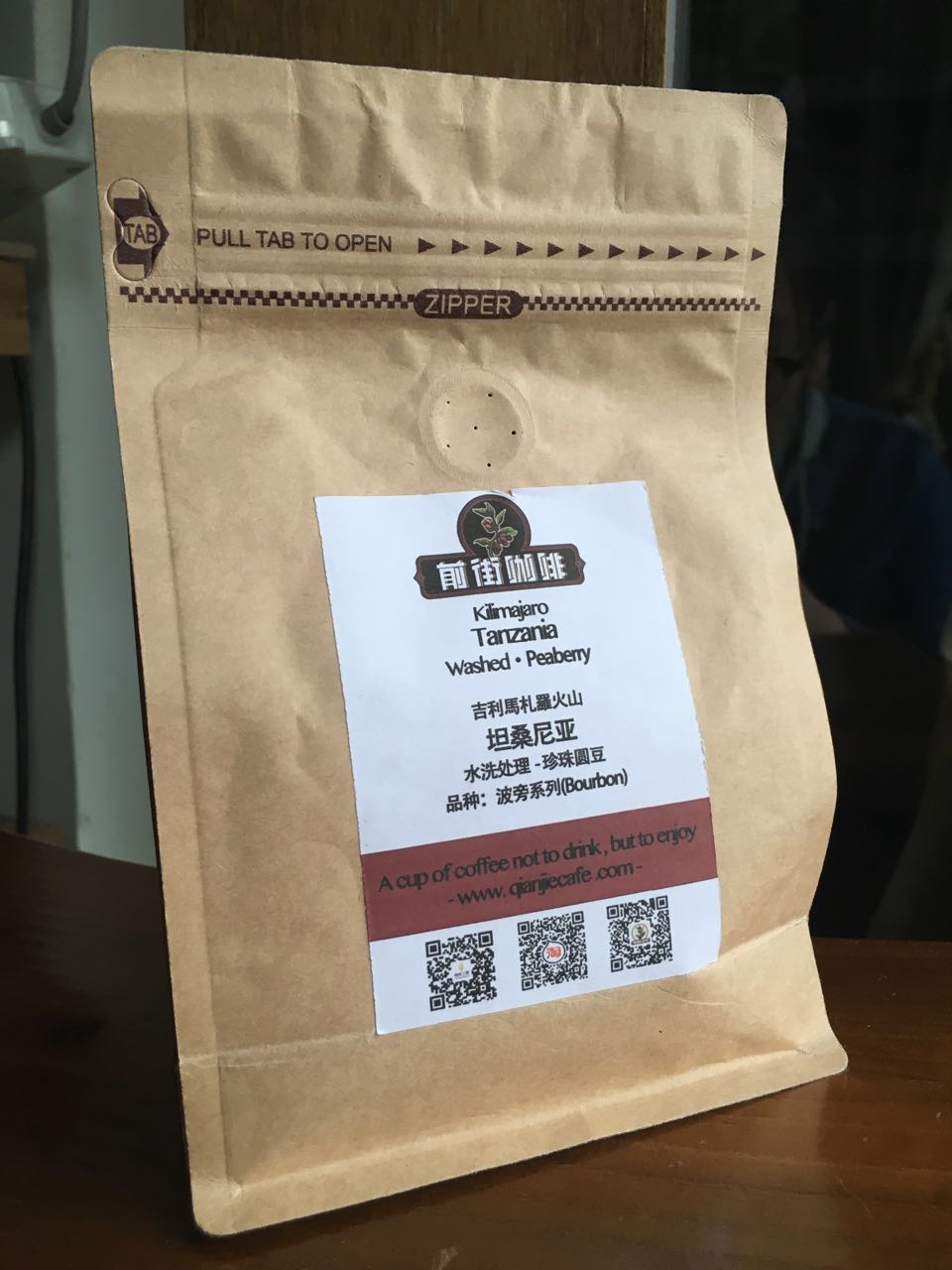
What Makes Panamanian Coffee Unique? Small Farms & Microclimates
Discover why Panamanian coffee stands out—its high-altitude microclimates, volcanic soils, and tiny-batch traceability create some of the most distinctive single-origin coffees.
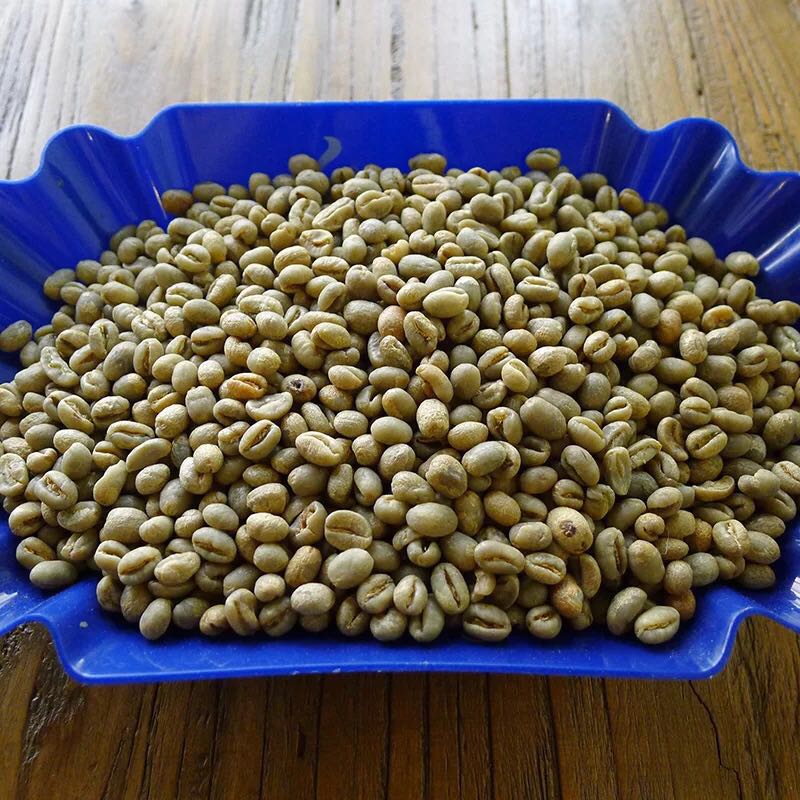
Why Panama Coffee Tastes So Unique
Panama’s high-altitude microclimates and rich volcanic soils create distinctive single-origin coffees with complex floral and fruit flavors.
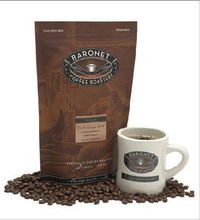
What Makes Panamanian Coffee Beans Unique?
Discover why Panamanian coffee stands out: high-altitude microclimates, complex flavors, and traceable small-lot production make it globally sought-after.
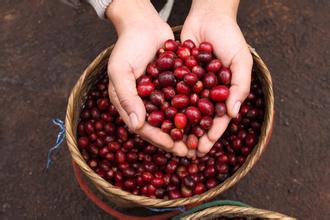
How Jamaica Blue Mountain Coffee Is Processed
Learn how genuine Jamaica Blue Mountain coffee is grown, processed, and graded — including the switch from washed to natural methods.

What Makes Jamaica Blue Mountain Coffee Special?
Learn why Jamaica Blue Mountain coffee commands premium prices, its true flavor profile, and what makes it truly authentic.
What Makes Jamaica Blue Mountain Coffee So Special?
Discover why Jamaica Blue Mountain coffee is rare, expensive, and revered — from its strict origin rules to its elite growing conditions.
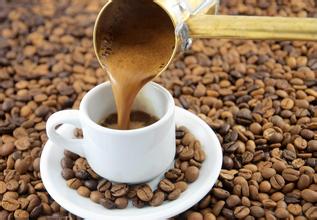
Yirgacheffe Gediyo: Ethiopia’s Hidden Coffee Gem
Explore Ethiopia’s lesser-known Gediyo coffee region and learn how its terroir shapes Ethiopia’s globally admired specialty coffee flavors.