
Specialty Coffee Beans
Latest articles, industry insights and brewing guides
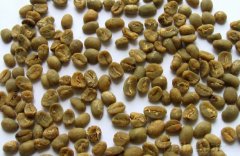
North Sumatra Grade 1 Mandheling Coffee Explained
Learn what makes North Sumatra Grade 1 Mandheling coffee distinct—its large beans, natural processing, and bold, low-acid profile favored by dark roast lovers.
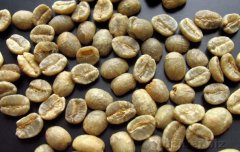
What Makes Kenyan Coffee Beans Special?
Kenyan coffee grows at high altitudes, harvested twice yearly, and features bright acidity and fruity notes thanks to unique SL varieties and washing methods.
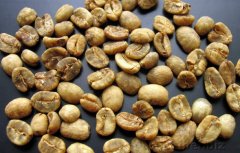
What Is Indonesian Aged Mandheling Coffee?
Learn why aged Mandheling beans from Indonesia develop deeper flavors, what makes them unique, and how they differ from fresh-roasted profiles.
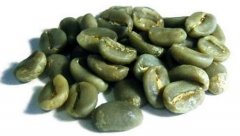
What Makes Hawaiian Kona Coffee Beans Special?
Discover why Hawaiian Kona coffee is among the world’s finest, from its volcanic soil to ideal elevation and climate.

What Is Kopi Luwak? The Truth Behind Civet Coffee
Kopi Luwak is made from coffee beans eaten and excreted by civets. Learn how it’s processed, why it’s expensive, and what it really tastes like.
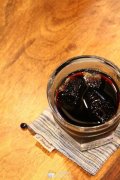
How the Vietnamese Coffee Drip Pot Actually Works
Vietnamese coffee drips slowly through a metal filter, creating rich, bold coffee—but the slow flow can cool your brew. Here’s how it works and how to fix it.
What Makes Hawaiian Kona Coffee Special?
Discover why Kona coffee from Hawaii is rare, high-quality, and highly sought after by specialty coffee drinkers worldwide.
Vietnam Coffee: The World’s Second-Largest Producer
Vietnam is the world’s second-largest coffee producer, mainly growing Robusta. Learn how its French colonial roots shaped today’s industry.
What Makes Yemen Coffee Unique?
Yemen produces small, irregularly shaped beans with high acidity and complex spice-chocolate notes. Learn why its coffee is distinct and inconsistent.
What Makes Kenyan Coffee So Special?
Kenyan coffee is famed for its vibrant acidity, complex fruitiness, and meticulous processing. Learn why it’s a favorite among specialty roasters worldwide.
What Makes Costa Rican Coffee Unique?
Explore why Costa Rican coffee, especially from Tarrazú, stands out with bright acidity, clean flavors, and high-altitude growing conditions.
Guatemalan Coffee: What Makes It Special?
Discover why Guatemalan coffee was once the world’s finest, how it rebounded, and what makes its high-altitude beans uniquely balanced and flavorful.

Kopi Luwak Debuts in Pu'er with Specialty Coffee Ambitions
A Yunnan farm is breeding civets to produce kopi luwak, aiming for premium quality. Learn how it's made and why it costs so much.
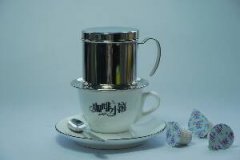
How to Make Vietnamese Coffee Using a Phin Filter
Learn how to brew traditional Vietnamese coffee with a phin filter, including step-by-step instructions and recommended sweeteners.
Vietnamese Coffee: What Makes It 'Drip Gold'?
Vietnamese coffee, known as 'drip gold,' is made with a slow-dripping phin filter. Learn how it’s brewed with condensed milk and why it takes 3–10 minutes per cup.
What Is Mandheling Coffee and Why It Stands Out
Discover the bold, low-acid profile of Mandheling coffee from Sumatra, known for its deep roast character, spice notes, and full body.
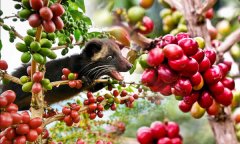
The World’s Most Expensive Coffee: Kopi Luwak at $160 Per Pound
Discover why Kopi Luwak, also known as civet coffee, tops the list as the most expensive coffee globally at $160 per pound.
Hawaiian Kona Coffee Beans: What Makes Them Special
Find out why Hawaiian Kona coffee is rare, pricey, and uniquely smooth with nutty sweetness — and what makes it stand out among single origins.
Why Mandheling Coffee Beans Are So Bold and Unique
Explore the bold, low-acid profile of Mandheling coffee from Sumatra, known for its earthy, spicy sweetness and full body. Ideal for dark roast lovers.
What Is Yemen Mocha Coffee? Origins & Flavor Profile
Yemen Mocha is one of the oldest coffees, known for its winey acidity, spice, and chocolate hints. Here’s why it’s still prized today.