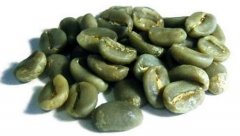
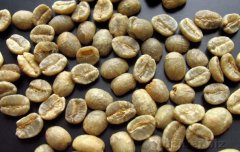
What Is Indonesian Aged Mandheling Coffee?
If you’ve ever sipped a cup of Indonesian coffee and noticed deep spice, dark chocolate, or dried fruit notes with a heavy body, you’ve likely encountered Mandheling—a coffee deeply tied to Sumatra’s unique terroir. But what sets aged Mandheling apart? Why do some roasters and coffee drinkers seek out beans that have been stored for months or even years before roasting? The answer lies in how Indonesia’s climate, processing, and tradition shape a very different kind of specialty coffee experience.
Aged Mandheling coffee typically refers to beans stored for several months post-harvest—often 3 to 12 months or more—before roasting. This aging process, common in Indonesia, results in lower acidity, heightened earthiness, and a heavier mouthfeel compared to freshly processed beans. The practice is especially prominent in Sumatra, home to the famous Mandheling and Lintong regions.
Where Mandheling Coffee Comes From
Indonesia produces coffee across several islands, including Sumatra, Java, and Sulawesi. Around 90% of its production is Robusta, but its Arabica is highly regarded, particularly from Sumatra. The island’s unique geography—spanning the equator with volcanic soil, high humidity, and frequent rain—contributes to the distinctive flavor profile of its beans. Key regions include:
- Lintong (North Sumatra): Elevation 1,100–1,600 meters, known for Mandheling beans processed using the wet hulling (giling basah) method.
- Gayo Mountain (North Sumatra): Produces the “Gayo” variety, also using wet hulling.
- Java: Home to the historic Java Arabica, valued for its bright acidity.
- Sulawesi (Toraja/ Kalosi): Grows larger beans with a balanced profile.
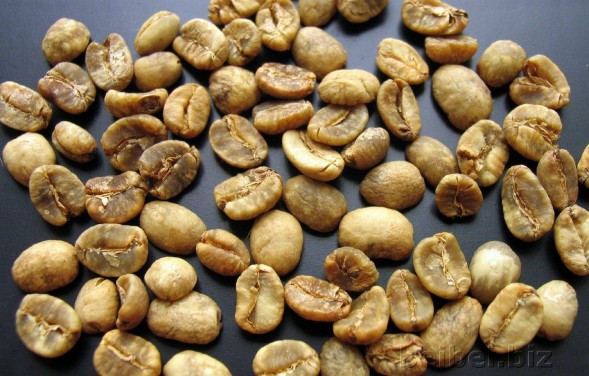
What Makes Mandheling Unique?
Mandheling is not a coffee variety but a trade name historically used for high-quality beans from northern Sumatra. These beans are almost always processed using the wet hulling method (also called giling basah), where the mucilage is removed and the beans are dried to a higher moisture level before the parchment is hulled. This contributes to the trademark earthy, spicy, and sometimes woody flavors. The region’s high humidity and frequent rainfall also slow down drying, further influencing the bean’s density and flavor development.
Aged Mandheling: Flavor Development Over Time
Aging Mandheling beans is both a traditional practice and a deliberate choice. Unlike fresh-roasted coffees that emphasize bright acidity and fruity notes, aged beans lose some of their initial acidity and develop deeper tones. Common tasting notes in aged Mandheling include:
- Spices (clove, cinnamon)
- Dark chocolate
- Caramel and molasses
- Leather or tobacco
- Wood or earthiness
- Sweetness in the aftertaste (notably in beans like PWN Golden Mandheling)
The aging process typically lasts 3 to 12 months, sometimes longer. During this time, beans are stored in cool, low-humidity environments to avoid mold or over-fermentation. The result is a heavier-bodied cup with muted acidity but layered complexity.
Notable Mandheling Coffees: PWN Golden Mandheling & Lintong Mandheling
Among the most respected aged Mandheling offerings is the PWN Golden Mandheling, sourced by the Indonesian company PWN (Pwani Coffee Company), established in 1957. PWN selects only high-grade beans, screening them by size and color, then hand-picking to remove defects. The result is a cup with notes of toasted bread, pine, caramel, cocoa, and a lasting sweet finish. Another well-known example is Lintong Mandheling, often considered an entry-level classic from the same region, offering spice, black chocolate, and caramel with a sweet aftertaste. Both beans are processed using the wet hulling technique typical of Sumatra.
Frequently Asked Questions
What is aged Mandheling coffee?
Aged Mandheling coffee refers to Sumatran beans, typically from the Mandheling or Lintong regions, that are stored for several months (often 3–12 months) before roasting. This aging reduces acidity and enhances earthy, spicy, and sweet flavors like dark chocolate, leather, and molasses.
Why is Mandheling coffee aged?
Mandheling coffee is aged due to both traditional practices and intentional processing. The humid climate of Sumatra slows natural drying, and storing beans before roasting allows for smoother, less acidic, and more complex flavor development over time.
What does Mandheling coffee taste like?
Mandheling coffee typically has low acidity, a full body, and flavors such as spices, dark chocolate, dried fruit, caramel, and earthy or woody notes. Aged versions emphasize deeper, mellower profiles with sweet undertones.
Where is Mandheling coffee grown?
Mandheling coffee comes from the northern highlands of Sumatra, Indonesia, primarily around the Lintong and Gayo regions. These areas sit at elevations between 1,100 and 1,600 meters and use the wet hulling (giling basah) method.
What is the difference between Lintong and PWN Golden Mandheling?
Lintong Mandheling is a classic, entry-level Sumatran coffee with spice, black chocolate, and caramel notes. PWN Golden Mandheling is a premium, hand-selected bean with a cleaner profile, offering toast, pine, caramel, cocoa, and a sweet, lingering finish.
Is aged coffee better than fresh coffee?
Aged coffee is not necessarily better, but it offers a different profile. While fresh coffee highlights bright acidity and fruitiness, aged Mandheling emphasizes heavier body, lower acidity, and deeper, spiced or chocolatey notes preferred by some specialty drinkers.
Recommended FrontStreet Beans for Aged Mandheling Fans
For those interested in aged-style Indonesian beans, try FrontStreet Coffee’s Lintong Mandheling, which delivers classic Sumatran spice, black chocolate, and caramel with a sweet finish. For a refined experience, the PWN Golden Mandheling offers toasted bread, pine, caramel, cocoa, and a rich, sweet aftertaste. Both are processed with Sumatra’s signature wet hulling method and showcase the earthy depth the region is known for. Freshly roasted within 5 days · Orders placed before 17:00 ship the same day · Next-day delivery across most of Guangdong Province.
FrontStreet Coffee is a long-established specialty coffee roaster in Guangzhou China, selling freshly roasted beans from its own farm in Yunnan as well as dozens of carefully selected single-origin beans from around the world for both pour-over and espresso. The products deliver consistently excellent quality and great value, with shipping within 24 hours. Guangzhou's FrontStreet Coffee shop is recommended by many coffee lovers, and the beans are now available online at the Tmall 。
Important Notice :
前街咖啡 FrontStreet Coffee has moved to new addredd:
FrontStreet Coffee Address: 315,Donghua East Road,GuangZhou
Tel:020 38364473