
Specialty Coffee Beans
Latest articles, industry insights and brewing guides

The 8 Distinct Coffee Regions of Guatemala
Explore the unique cup profiles of Guatemala’s eight coffee-growing regions, from volcanic Antigua to rainy San Marcos.
Hawaii’s Coffee Regions and What Makes Kona Special
Explore Hawaii’s unique coffee-growing regions, with Kona leading the way. Learn the history, challenges, and flavor profiles of Hawaiian coffee.
Guatemala’s 8 Coffee Regions and Their Unique Cup Profiles
Explore the 8 distinct coffee-growing regions of Guatemala, each with unique altitude, climate, and flavor profiles. Learn what makes each region special.
Hawaiian Coffee Guide: Kona and Beyond
Learn about Hawaii’s coffee regions, the famous Kona coffee belt, and why this U.S.-only coffee region may double production soon.
How the Name 'Mandheling' Coffee Really Came About
The name 'Mandheling' coffee doesn't refer to a place — it's a misheard ethnic group name. Here's the true wartime origin story.
What Is Yemeni Mocha Coffee? The World’s Oldest Specialty Bean
Yemeni Mocha is the world’s oldest cultivated coffee, known for its bold acidity, chocolatey depth, and spicy kick. Learn its history and flavor profile.
The Origins of Kopi Luwak: World’s Most Expensive Coffee
Learn how civet coffee—made from beans eaten and excreted by palm civets—is processed, priced, and perceived in specialty coffee.
What Is Mandheling Coffee and Where Does It Come From?
Learn how Mandheling coffee, especially the famed PWN Golden Mandheling, developed its rich, earthy profile through Indonesia’s unique wet-hulling process.
What Is Hawaiian Kona Coffee? Flavor & Origin Guide
Hawaiian Kona coffee offers smooth, rich flavor with nutty aromas and bright acidity. Grown on volcanic slopes, it’s the only US-grown specialty coffee.
What Is Mandheling Coffee and Why Does It Taste Unique?
Mandheling coffee comes from Sumatra’s high-elevation regions, processed via wet hulling. Discover its origins, flavor traits, and what makes PWN Golden Mandheling stand out.
What Makes Hawaiian Kona Coffee So Special?
Hawaiian Kona coffee is known for its perfect fruit appearance and premium cup. Learn what sets it apart and where it comes from.
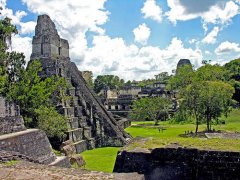
Guatemala’s Eight Coffee Regions and Their Flavor Profiles
Explore the distinct flavor profiles of Guatemala’s eight major coffee-growing regions, from Antigua’s elegance to San Marcos’ floral brightness.
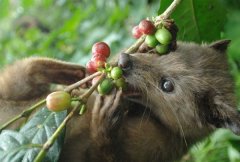
Kopi Luwak vs Elephant Dung Coffee: What's the Real Difference?
Learn how kopi luwak and elephant dung coffee are made, how their sourcing differs, and why one is more reliably premium than the other.
What Is Kona Coffee? The Complete Guide to Hawaiian Kona Beans
Learn what makes Hawaiian Kona coffee unique — from its volcanic soil origins to its balanced flavor profile and premium growing conditions.
What Makes Hawaiian Kona Coffee So Special?
Learn why Hawaiian Kona coffee is prized for its smooth acidity, winey fruitiness, and volcanic terroir—plus how it differs from other single origins.

What Makes Kenyan Coffee So Special?
Kenyan coffee is prized for its bright acidity, rich fruitiness, and complex aromas. Learn why it’s a favorite among specialty roasters worldwide.
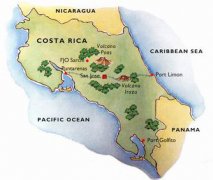
What Makes Costa Rican Coffee Special?
Costa Rica’s high-altitude Tarrazú region produces bright, clean coffees with unique sweetness due to volcanic soil and honey processing.
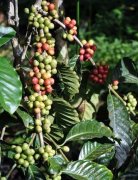
What Is Kopi Luwak? The Truth About Civet Coffee
Learn how civet coffee, or Kopi Luwak, is made, why it became famous, and what science says about its unique flavor. All the facts, none of the myths.
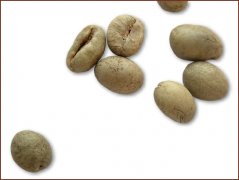
What Do Java Medium Coffee Beans Look Like?
Java medium coffee beans are small, bluish-green, and dense. Learn their visual traits, origin, roast profile, and brewing tips in this guide.
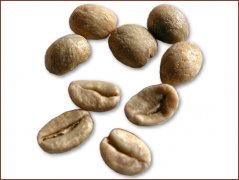
What Is Java Coffee? Exploring Yunnan’s Small Arabica Beans
Java coffee often refers to Indonesian beans, but here we explore Yunnan’s small Arabica—also called 'Java' due to fruit size—and how it’s grown today.