
"300g"
658 article(s) found
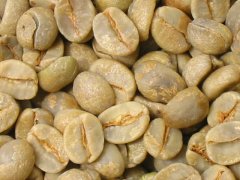
Explanation on how to classify high-quality coffee and raw beans
Level 1: special product defects: 0-5 do not allow to contain obvious defects total sample weight: 300 grams sample size difference: less than 5% 5% or so, or within the specified range of appreciation features: must be at least a little outstanding in the following characteristics: taste, sour taste, taste, aroma. The characteristics will be determined by both the buyer and the seller. After cup testing and appreciation, there are no defects. Baking difference

American Specialty Coffee Association Green Coffee Bean Classification Description
Grade 1: Excellent grade Defects: 0-5 No visible defects allowed Total weight of sample: 300 g Sample size variation: less than 5%, about 5%, or within the specified range Appreciation characteristics: Must be outstanding in at least one of the following characteristics: taste, acidity, taste, aroma. The characteristics will be determined jointly by the buyer and seller. After cup testing, there are no defects. baking error
American Special Coffee Association Coffee Raw Bean Classification description
Level 1: special product defects: 0-5 do not allow to contain obvious defects total sample weight: 300 grams sample size difference: less than 5% 5% or so, or within the specified range of appreciation features: must be at least a little outstanding in the following characteristics: taste, sour taste, taste, aroma. The characteristics will be determined by both the buyer and the seller. After cup testing and appreciation, there are no defects. Baking difference

How to make a cup of coffee better to brew coffee or brew coffee
Professional coffee knowledge exchange more coffee bean information Please follow the coffee workshop (Wechat official account cafe_style) this method is still under development, but the aim is to emphasize the sweetness of coffee:-roasted coffee into full-roasted coffee-1:12 brewing ratio-25g very fine grinding (!) 5 on an EK-95C/96C water (203F/205F)-pour 300g water for 15 seconds, cycle for 10 seconds, 5 seconds

Grading system of major coffee producing countries in the world popular science coffee grade shb and coffee bean grade G1
Professional coffee knowledge exchange more coffee bean information please follow the coffee workshop (Wechat official account cafe_style) the latest coffee raw bean knowledge collation: coffee bean grading and naming rules want to drink a certain quality of selected coffee beans, starting from understanding the grading system of coffee-producing countries is a necessary lesson for each producing area, each piece of soil, different climate, different treatment methods
The fast, simple and labor-saving coffee-baked chicken can be done in an hour.
Coffee baked chicken (2 people) preparation time: 10 minutes preparation time: 50 minutes ingredients: Qingyuan chicken (about 1000 grams), Brazilian coffee beans 300g seasoning: 1000 grams of pure water, 10 grams of pepper and salt: 1. Wash Qingyuan chicken and set aside, and wrap the coffee beans in gauze. two。 Pour pure water into the pot and bring to the boil, then put in the coffee bean bag. 3. Turn down the fire, and then turn the chicken

Difference between red, green and blue coffee for ucc staff
Following Cafe Review (Wechat official account vdailycom) found that Beautiful Cafe opened a small shop of its own. What's the difference between red sign and green sign? The difference between acidity and bitterness. The green label is bitter, the red standard is sour, 113.114 is slightly bitter, and 117.118 is mellow and slippery glass bottles. The so-called instant solution is that hot water will melt and you can drink it directly. The canned 300g is made of
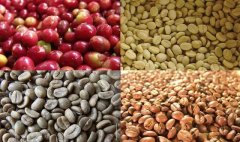
How are Ethiopian coffee beans graded?
The grading we are talking about now refers to the grading of raw beans in the country where coffee is produced. (no matter which country coffee beans are not graded) Ethiopian coffee beans are divided into five grades. The first and second stages are reserved for washing beans with water. Grade 1 represents 0-3 raw beans and Grade 2 represents 4-12 missing beans per 300g raw beans. Grade 1 (G1) grade water washed bean pole
How to distinguish the "red mark", "green mark" and "green mark" of the jadeite manor
How to distinguish the red mark, green mark and blue mark of the jadeite manor? Qianjie Coffee Qianjie Coffee Today ▲ Click to follow | focus on the 6th anniversary of coffee roasting more boutique coffee beans please add private Wechat Qianjie, WeChat: (long press to copy) qiannjie recently our Qianjie coffee shop has had more rosy summer beans, and the editor only compared the rosy summer two days ago.
Coffee Encyclopedia beans and grading of Ethiopian Coffee
The grading we are talking about now refers to the grading of raw beans in the country where coffee is produced. (no matter which country coffee beans are not graded) Ethiopian coffee beans are divided into five grades. The first and second stages are reserved for washing beans with water. Grade 1 represents 0-3 raw beans and Grade 2 represents 4-12 missing beans per 300g raw beans. Grade 1 (G1) grade water washed bean pole
The knowledge of coffee extraction in boutique coffee.
Let's start with this picture. I have posted in my photo album, a teacher of Korean coffee champion, a Q grader, a contact person in charge of world events, a world champion, together with me, look very different. Let's start with this picture. I posted it in my photo album, a teacher of Korean coffee champion, a Q grader, a

Basic knowledge of coffee bean appearance and grading of Ethiopian coffee
The grading we are talking about now refers to the grading of raw beans in the country where coffee is produced. (no matter which country coffee beans are not graded) Ethiopian coffee beans are divided into five grades. The first and second stages are reserved for washing beans with water. Grade 1 represents 0-3 raw beans and Grade 2 represents 4-12 missing beans per 300g raw beans. Grade 1 (G1) grade water washed bean pole
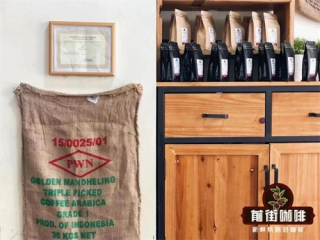
What is the difference between PWN Gold Manning and G1 Manning introduction to the grading system of Mantenin coffee beans
Professional barista communication please follow the coffee workshop (Wechat official account cafe_style) about PWN Manning G1 and Golden Manning do you know the difference? What's the difference? PWN Mantenin G1 according to Sumatra data, during the Japanese occupation of Sumatra in Indonesia during World War II, a Japanese

What are the G1 and G2 of Yejia Coffee? Introduction to high-quality washed Yega Chuefei coffee
Professional coffee knowledge exchange more coffee bean information please follow the coffee workshop (Wechat official account cafe_style) Ethiopia is the first country to discover coffee and belongs to the most important producing country in terms of coffee quality and output, with an annual output of about 350000 tons. Ethiopia is famous all over the world for its mocha beans from Hara, including Yirgache.
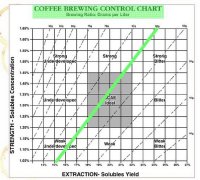
Good coffee is not difficult to do the one thing you need to know, extraction.
Let's start with this picture. I have posted in my photo album, a teacher of a Korean coffee champion, a contact person in charge of world events, a world champion, together with me, look very different. In fact, Michael Philips takes the trouble to explain to others the relationship between extraction rate and regulation. I don't seem to care about this picture.

General knowledge of Fine Coffee beans appearance and grading of Ethiopian Coffee
The grading we are talking about now refers to the grading of raw beans in the country where coffee is produced. (no matter which country coffee beans are not graded) Ethiopian coffee beans are divided into five grades. The first and second stages are reserved for washing beans with water. Grade 1 represents 0-3 raw beans and Grade 2 represents 4-12 missing beans per 300g raw beans. Grade 1 (G1) grade water washed bean pole

Six ways to make coffee recently
Sarah uses ALTOAIR paper filter hand flushing apparatus, 19g coffee beans, 300g water, cooking time 8 minutes 30 seconds. Sarah said: "low powder extraction fully reflects the brightness of coffee." she mixes coffee powder and hot water into three cups of solution and precipitates it. Stir again after 1 minute and 30 seconds and pour into the filter cup one by one. Sarah said as she did it: my favorite thing to do is to get my guests to treat my coffee
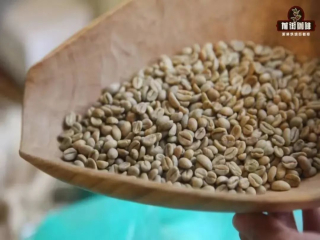
Introduction of coffee bean classification system in various countries in detail the coffee bean classification standards of Ethiopia and Kenya
A friend asked Qianjie, "Why are some coffee beans marked with AA, some with G1, and some with SHB? these letters seem irregular. How do I know which grade is high and which is low?" Why do you need grading? When we walk into the fruit store, we often see that the same fruit can be divided.
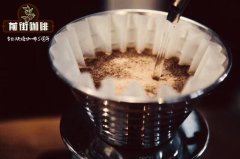
How to classify coffee beans A brief introduction to the classification standard of Ethiopian defective beans
Professional coffee knowledge exchange more coffee bean information please follow the coffee workshop (Wechat official account cafe_style) front street-defective bean classification system this is the earliest classification method, the main representative countries that use the defective bean proportion method are Ethiopia, Indonesia and so on. Indonesian beans are mainly divided into six grades, namely G1~G6. Ethiopian coffee beans are graded with 300g coffee beans.
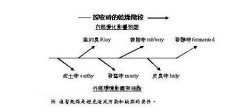
The decay and defects of coffee aroma
The aroma of coffee is the main purpose for us to buy coffee and drink coffee. Perhaps some people drink coffee to enjoy the thick flavor of coffee, do not care much about how much flavor, let alone how to cook the cup of coffee he has chosen. The taste of coffee seems to be the request of these guests. Even so, we still can't deny the feeling that most people enjoy the aroma of coffee.