
"Arabia"
2076 article(s) found

How did coffee, the foundation of coffee culture, be introduced into Arabia?
European historians argue that as early as 800 years ago, there were artificial coffee trees for trade in Yemen in the southern Arabian Peninsula, and there was historical evidence that at that time, there was indeed trade across the Red Sea between Yemen and Ethiopia. Based on this, people speculate that if the use of coffee was discovered by Ethiopians, then coffee

European Coffee History Coffee Culture how did Turkish Coffee Coffee come into Arabia?
European historians argue that as early as 800 years ago, there were artificial coffee trees for trade in Yemen in the southern Arabian Peninsula, and there was historical evidence that at that time, there was indeed trade across the Red Sea between Yemen and Ethiopia. Based on this, people speculate that if the use of coffee was discovered by Ethiopians, then coffee

Description and treatment of flavor and taste of El Salvador Pacamara boutique coffee
Pacamara is full of flavor, rich and changeable is rare in other varieties, for example, in addition to fruit and rich taste, but also with apricot, vanilla plants, tropical fruits, chocolate, sweet spices and other changes. But there is no better than one. Mature Pakamara coffee trees will show a gradual decline in yield or occasional unstable flavor, and have high requirements for soil, water and microclimate.

Introduction to Salvadoran coffee that needs to be washed
When it comes to the Pakamara species in Saudi Arabia, we have to introduce Pacamara Manor first. In Ecuador in 1984, the fascists could buy the Pakamara Coffee Garden as the new owner. The Falesco family has been growing coffee in the Apaneca mountains since their grandparents for more than a hundred years. Urgado wanted to take a different path from his grandparents and decided to plant a new species that had just been developed by the agricultural technology unit of Saudi Arabia.

Introduction to the taste of El Salvador Pacamara coffee flavor description method
When it comes to the Pakamara species in Saudi Arabia, we have to introduce Pacamara Manor first. In Ecuador in 1984, the fascists could buy the Pakamara Coffee Garden as the new owner. The Falesco family has been growing coffee in the Apaneca mountains since their grandparents for more than a hundred years. Urgado wanted to take a different path from his grandparents and decided to plant a new species that had just been developed by the agricultural technology unit of Saudi Arabia.
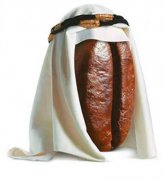
Coffee beans were not used to make coffee at first.
Coffee beans are not used to make coffee at first, because coffee beans are very high in calories. At first, people eat with their most common fruits on the spot, and they don't think about soaking them in water or anything. In Arabia, there are a lot of coffee beans, because Arabs like to do business everywhere. Coffee beans are not used to make coffee at first, because coffee beans are high in calories.

El Salvador, a rookie of Latin American coffee
El Salvador, a name that may not be very familiar to coffee lovers, is beginning to emerge quietly in the world of boutique coffee (Specialty Cxxx).

The evolution of coffee drinking patterns
Ethiopia used to chop up coffee fruits and use oil to crush them into balls and eat them as food. This practice spread to Arabia, where coffee seeds were chopped and boiled and spiced to become Cafe ala Sultana, the earliest coffee drink in history.

Coffee drinking methods
Ethiopia used to chop coffee fruit into oil balls and eat them as food. The practice spread to Arabia, where coffee seeds were chopped, boiled and spiced to create Cafe ala Sultana, the earliest coffee drink in history. Turkish coffee is brewed with an Ibrik, a traditional method of brewing that enables deeply roasted coffee

The evolution of coffee drinking patterns in coffee culture
Ethiopia used to chop up coffee fruits and use oil to crush them into balls and eat them as food. This practice spread to Arabia, where coffee seeds were chopped and boiled and spiced to become Cafe ala Sultana, the earliest coffee drink in history. Turkish coffee is brewed with an utensil similar to a spoon (Ibrik), a traditional method that allows deep-roasted coffee.

Discussion on the Culture and Customs of Coffee
Ethiopia used to chop up coffee fruits and use oil to crush them into balls and eat them as food. This practice spread to Arabia, where coffee seeds were chopped and boiled and spiced to become Cafe ala Sultana, the earliest coffee drink in history. Turkish coffee is brewed with an utensil similar to a spoon (Ibrik), a traditional method that allows deep-roasted coffee.
The mysterious Coffee Belt of the basic knowledge of Coffee
Coffee beans grow in tropical or subtropical agricultural gardens around the equator, called coffee belts, and travel to Japan with ships. When the brown coffee beans appear in front of your eyes, they have actually gone through a variety of different circulation processes and the hands of many people. Coffee is widely distributed in South America, Central America, the West Indies, Asia, Africa, Arabia, the South Pacific and
Boutique Coffee the History of the World Coffee
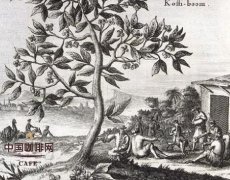
Ethiopia used to chop up coffee fruits and use oil to crush them into balls and eat them as food. This practice spread to Arabia, where coffee seeds were chopped and boiled and spiced to become Cafe ala Sultana, the earliest coffee drink in history. Turkish coffee is brewed with an utensil similar to a spoon (Ibrik), a traditional method that allows deep-roasted coffee.
Ethiopian Coffee Culture Coffee
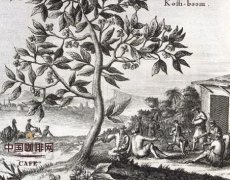
Ethiopia used to chop up coffee fruits and use oil to crush them into balls and eat them as food. This practice spread to Arabia, where coffee seeds were chopped and boiled and spiced to become Cafe ala Sultana, the earliest coffee drink in history. Turkish coffee is brewed with an utensil similar to a spoon (Ibrik), a traditional method that allows deep-roasted coffee.

The cultural development of coffee the development process of coffee beans
Ethiopia used to chop up coffee fruits and use oil to crush them into balls and eat them as food. This practice spread to Arabia, where coffee seeds were chopped and boiled and spiced to become Cafe ala Sultana, the earliest coffee drink in history. Turkish coffee is brewed with an utensil similar to a spoon (Ibrik), a traditional method that allows deep-roasted coffee.

Mysterious coffee belt where coffee is grown
Coffee beans grow in tropical or subtropical agricultural gardens around the equator, called coffee belts, and travel to Japan with ships. When the brown coffee beans appear in front of your eyes, they have actually gone through a variety of different circulation processes and the hands of many people. Coffee is widely distributed in South America, Central America, the West Indies, Asia, Africa, Arabia, the South Pacific and

Boutique Coffee Culture basic knowledge Coffee along the way
Ethiopia used to chop up coffee fruits and use oil to crush them into balls and eat them as food. This practice spread to Arabia, where coffee seeds were chopped and boiled and spiced to become Cafe ala Sultana, the earliest coffee drink in history. Turkish coffee is brewed with an utensil similar to a spoon (Ibrik), a traditional method that allows deep-roasted coffee.

The evolution of coffee drinking patterns
Ethiopia used to chop up coffee fruits and use oil to crush them into balls and eat them as food. This practice spread to Arabia, where coffee seeds were chopped and boiled and spiced to become Cafe ala Sultana, the earliest coffee drink in history. Turkish coffee is brewed with an utensil similar to a spoon (Ibrik), a traditional method that allows for deep baking.

Description of the flavor of El Salvador Himalayan coffee with soft acidity, introduction to the variety of grinding, price and taste.
When it comes to the Pakamara species in Saudi Arabia, we have to introduce Pacamara Manor first. In Ecuador in 1984, the fascists could buy the Pakamara Coffee Garden as the new owner. The Falesco family has been growing coffee in the Apaneca mountains since their grandparents for more than a hundred years. Urgado wanted to take a different path from his grandparents and decided to plant a new species that had just been developed by the agricultural technology unit of Saudi Arabia.
World Coffee producing region Latin American Coffee El Salvador
El Salvador, a name that may not be very familiar to coffee lovers, is beginning to emerge quietly in the world of boutique coffee (Specialty Cxxx). El Salvador, a beautiful small country with volcanoes, is the smallest country in Central America, with an area of only more than 20, 000 square kilometers and a population of 5.6 million.