
"Arabia"
2076 article(s) found

Coffee flavor from different coffee producing regions in the world Coffee producing regions in Yemen
Yemen Until the 6th century AD, Yemen was called Arabia, so coffee trees transported from Yemen to other places were also called Arabic coffee trees. But the origin of these trees is Ethiopia. Yemen was the first country in the world to produce coffee on a large scale as an agricultural crop. Yemeni coffee farmers still produce coffee the same way they did 500 years ago.

Coffee producing areas in Yemen introduce the characteristics of Yemeni coffee the taste of Yemeni coffee Yemeni coffee
Before the 6th century AD, Yemen was called Arabia, so coffee trees shipped from Yemen to other places were also called Arabian coffee trees. But the origin of these trees is Ethiopia. Yemen is the first country in the world to produce coffee on a large scale as a crop. Today, coffee farmers in Yemen still use the same method to produce coffee as they did 500 years ago.

Manor Renas Manor in El Salvador, variety of beans, brand recommendation and manor introduction
Professional barista exchanges please pay attention to the coffee workshop (Wechat official account cafe_style) El Salvador Renas Manor single bean species, brand recommendation and manor introduction active volcanic activity brings the country rich in mineral volcanic ash, mainly volcanic ash in the soil, more minerals, less organic matter, therefore, in order to maintain the location and make up for the lack of organic matter

Which country invented mocha coffee? where is the location of Yemeni coffee?
Professional coffee knowledge exchange more coffee bean information please follow the coffee workshop (Wechat official account cafe_style) Yemen is located in the southwestern tip of the Arabian Peninsula, adjacent to Saudi Arabia and Oman, bordering the Red Sea, the Gulf of Aden and the Arabian Sea. Yemeni mocha coffee is the oldest coffee in the world, and Yemen is one of the first countries in the world to grow coffee. It is said that as early as 1561 AD, Zheng he

The coffee producing area of Renas Manor in El Salvador introduces the elevation of Renas Manor coffee beans.
Professional barista exchanges please follow the coffee workshop (Wechat official account cafe_style) Renas Manor coffee production area of El Salvador Renas Manor Coffee beans altitude how much active volcanic activity brings the country rich in mineral volcanic ash, mainly volcanic ash in the soil, more minerals, less organic matter, therefore, in order to maintain the location and make up for the lack of organic matter

How did Coffee enter the Chinese Coffee Market
Coffee is said to have begun in the early 11 th century and can be found in ancient Arabic literature. Before that, coffee raw beans were dried and then boiled as stomach medicine in Arabia. later, it was learned that coffee also had a refreshing effect, coupled with severe Muslim precepts against drinking. Muslims replace alcohol with roasted juice to become excitant drinks. It is said that the locals understand

How to brew Yunnan small-grain coffee? how much is the wholesale price of a can of coffee?
How does Yunnan small grain coffee brew seedlings? what is the wholesale price for a can of coffee? but other areas in this zone, such as Hawaii and Saudi Arabia in the United States, low altitude, or lack of rain in the desert, are not conducive to the growth of coffee. Only southern Yunnan, which is in this zone, happens to have all kinds of conditions. According to the determination of experts, small seed coffee should be grown in mountainous areas with an altitude of 800 to 1800 meters above sea level.

Yemen is the first country to grow coffee as a crop. Yemeni mocha coffee culture.
For more information on coffee beans, please follow the coffee workshop (Wechat official account cafe_style) Yemen (English: Yemen Republic), located in the southwest tip of the Arabian Peninsula, bordering Saudi Arabia and Oman, bordering the Red Sea, the Gulf of Aden and the Arabian Sea. May 1990 by the Arab Republic of Yemen (Northern Yemen) and the people's Democratic Republic of Yemen (Nanya)

The originator of coffee trade: the history of Yemeni mocha coffee the origin of the name of Yemeni mocha coffee
Professional coffee knowledge exchange more coffee bean information please follow the coffee workshop (Wechat official account cafe_style) Yemen is located in the southwestern tip of the Arabian Peninsula, adjacent to Saudi Arabia and Oman, bordering the Red Sea, the Gulf of Aden and the Arabian Sea. Yemeni mocha coffee is the oldest coffee in the world, and Yemen is one of the first countries in the world to grow coffee. It is said that as early as 1561 AD, Zheng he

The Coffee Story of the Yemeni Port of Mocha the historical story of the name of the Yemeni mocha beans
Professional coffee knowledge exchange more coffee bean information please follow the coffee workshop (Wechat official account cafe_style) Yemen is located in the southwestern tip of the Arabian Peninsula, adjacent to Saudi Arabia and Oman, bordering the Red Sea, the Gulf of Aden and the Arabian Sea. Yemeni mocha coffee is the oldest coffee in the world, and Yemen is one of the first countries in the world to grow coffee. It is said that as early as 1561 AD, Zheng he
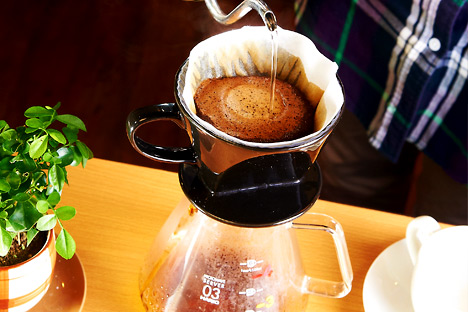
The Origin of Coffee History several legends about the origin of coffee
The origin of coffee: where does the word coffee come from? some people think that it comes from a region called Kaffa (caffa) in Ethiopia, which sounds similar to coffee. However, the early inhabitants of the Kaffa region called coffee Djimmas, and the Arab world did not use Kaffa to represent coffee, so this is likely to be a phonetic aphorism for Westerners. The early Arabs used to
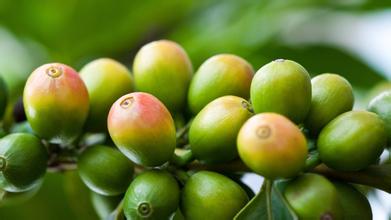
Introduction to the quality of El Salvador Pacamara Coffee Bean Grinding scale Variety Flavor treatment
El Salvador Pacamara coffee bean grinding scale variety flavor treatment quality introduction sa coffee planting area of about 220000 mu, mainly distributed in the western Europe Achaban, Sonsonati, El Salvador; San Migai in the east, Wulutan, Chalatilan in the north and other places. In the 1960s, Saudi Arabia was one of the major coffee producers in the world, but it has been lacking for more than 20 years.
Introduction to the characteristics of grinding scale manor taste treatment of Pacamara coffee beans in El Salvador
El Salvador Pacamara coffee beans grinding scale manor taste treatment characteristics of bourbon is already the largest variety in the country, the national planting rate is as high as 60%, the fruit of Saguo Bourbon has four colors of red and yellow orange with a small amount of pink bourbon. Pacamara, which belongs to large granule, is a new variety cultivated by Pacas and elephant bean. Pacamara originated from sa, but its output is much higher than that of sa.

The growth habits of coffee the distribution of coffee the three main types of coffee
Coffee trees grow in national farms in tropical or subtropical regions known as coffee belts centered at the equator and between latitudes of 25 degrees south and north. At present, coffee is produced in more than 60 countries, widely distributed in South America, Central America, the West Indies, Asia, Africa, Arabia, the South Pacific and Oceania. In terms of output, Brazil, which accounts for the first place in the world, accounts for about 30%; the second
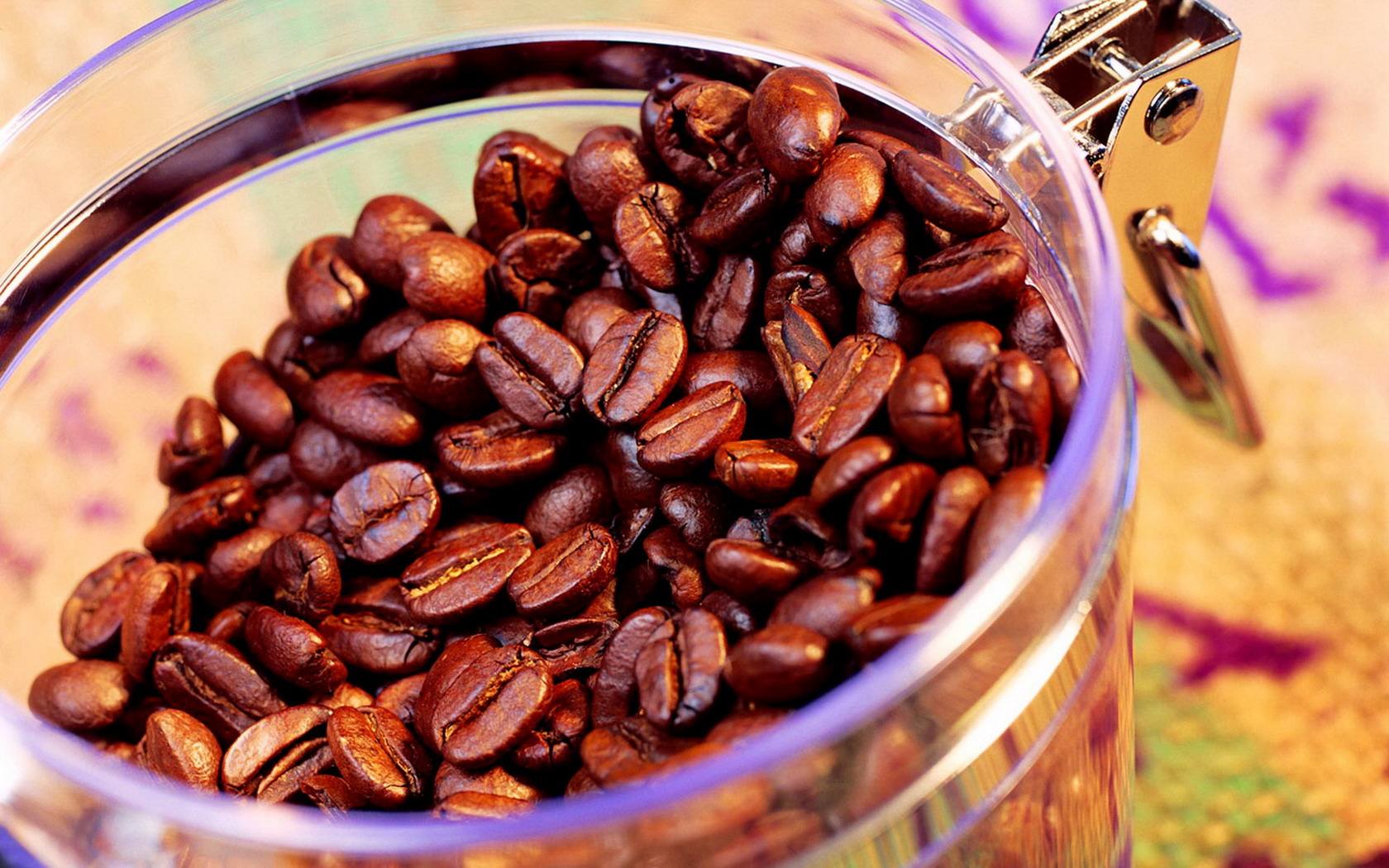
The reasons for the good quality of Yemeni coffee
Follow the comments (Wechat official account vdailycom) found that the beautiful cafe opened a small coffee shop of its own. Most of the major brands of Yemeni coffee are consumed in the Arab world and are the first among many Turkish coffee lovers.

Which is the origin and which is the bean name, Pacamara or Nicaraguan coffee beans?
When it comes to the Pakamara species of Nicaragua coffee beans, we have to introduce the Pacamara manor first. In Ecuador in 1984, the fascists could buy the Pakamara Coffee Garden as the new owner. The Falesco family has been growing coffee in the Apaneca mountains since their grandparents for more than a hundred years. Urgado wanted to take a different path from his grandparents and decided to plant a list of agricultural techniques that had just come from the country.

The natural conditions are unique and the flavor of Samaritan coffee is charming.
Professional coffee knowledge exchange more coffee bean information please follow the coffee workshop (Wechat official account cafe_style) Central America is one of the four largest coffee producing areas in the world, unique natural conditions, cultivate a lot of high-quality coffee beans, from yesterday introduced in Honduras, to the southeast, to the southwest of Central America and the Pacific coastline of El Salvador, the country is the world
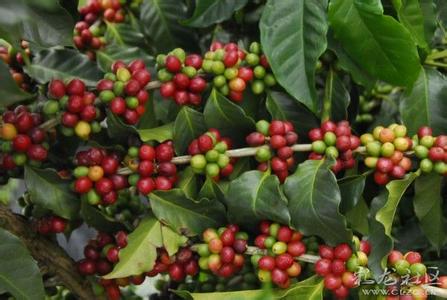
The most important type of coffee in the world-the distribution and growth habits of coffee
Coffee distribution: coffee trees grow in the tropical or subtropical regions of the tropical or subtropical regions with the equator as the center and between the latitudes of 25 degrees south and north. At present, coffee is produced in more than 60 countries, widely distributed in South America, Central America, the West Indies, Asia, Africa, Arabia, the South Pacific and Oceania. In terms of output, Pakistan, which accounts for the largest output in the world,

The coffee beans of Stonehenge Manor are planted on a hillside at an altitude of about 1400 Murray 1500 meters above sea level.
Professional coffee knowledge exchange more coffee bean information please follow the coffee workshop (Wechat official account cafe_style) Costa Rica is located in the south of San Jose, the capital of Tarasu, where coffee is grown for a long time. Costa Rica grows high-quality coffee beans, coffee beans grown at high latitudes, can be said to be full-bodied, mild taste, carefully processed coffee

A brief introduction to the market price of pure slightly sour Salvadoran boutique coffee beans
The Himalayan Manor, located in Santa Ana, a famous producing area in the Apaneca Mountains at an altitude of 1500 meters, is one of the few estates managed by Aida Batlle. The planted varieties are mainly washed with bourbon, which consumes too much water and causes serious pollution, so the semi-washing method is produced, which means that the defective floating fruit of the coffee fruit is removed through the sink, and then part of the colloid layer is removed and then washed.