
"Brunca"
422 article(s) found

Costa Rican Stonehenge Manor Black Honey treatment of Coffee beans how to make Coffee beans sweet
Costa Rica Stonehenge country: Costa Rica Manor: Stonehenge Manor Grade: SHB treatment: black honey treatment altitude: 1700-1800m varieties: Kaddura and Kaduai are located in Costa Rica in the Central American Isthmus, while being regulated by Pacific and Atlantic currents and sea breeze, the country has many towering volcanoes up to 2000 meters above sea level, and coffee berries can be found in fertile
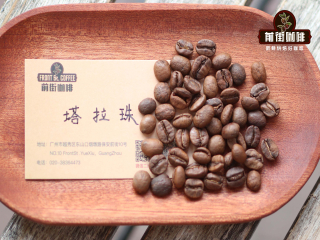
The flavor and taste of Costa Rican coffee beans introduce how to bake very hard coffee beans with low density
Professional coffee knowledge exchange more coffee bean information please follow the coffee workshop (Wechat official account cafe_style) Costa Rica coffee bean production area introduction Costa Rica is located in the Central American isthmus, while by the Pacific and Atlantic currents and sea breeze on the climate regulation, many of the territory up to 2000 meters above sea level
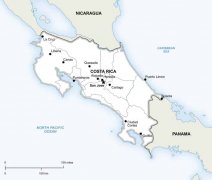
Flavor and taste characteristics of eight coffee growing areas in Costa Rica how to make good coffee beans in Monster Manor
All eight coffee growing areas in Costa Rica have ideal conditions for growing Arabica coffee trees. Most of the more than 50000 small farms are located in the mountains, enjoying volcanic soil, perfect climatic conditions and a long period of maturity. When buying Costa Rican coffee, please check the grower information on the label. Beans can come from several large producing areas on the map: Centra

Costa Rica Blanca Manor Black Honey Coffee hand-made parameters sharing _ COE Award-winning Manor introduction
Professional coffee knowledge exchange more coffee bean information please follow coffee workshop (Wechat official account cafe_style) Origin: Costa Rican Manor: Blanca Rivas people processing site Treasure Manor Award record: 2015 COE Award winning Manor Variety: Kaduai treatment: black honey treatment flavor: BlackBerry, sweet spice, honey, peach, round taste, rich sweet and sour taste

Costa Rica Treasure Manor Black Honey Coffee Brewing Parameters_Treasure Manor Honey Processing Grade Division
Professional coffee knowledge exchange More coffee bean information Please pay attention to Coffee Workshop (Weixin Official Accounts cafe_style) Origin: Costa Rica Manor: Blanca Rivas People's Processing Field Treasure Manor Award Record: 2015 COE Award Manor Variety: Carduai Processing Method: Black Honey Processing Flavor: Blackberry, sweet spice, honey, peach, round taste, rich sour and sweet feeling

Costa Rican Tarazu Coffee Bean Variety Rosa Coffee Bean difference between Kadulakaduai Coffee Bean
Following Cafe (official Wechat account vdailycom) found that Costa Rica has a small shop of its own, bordering the Caribbean Sea on the east and the Pacific Ocean on the west, as the country's name means in Spanish: fertile shores. Costa Rica is located in SanJos, the capital of the State of Tarasu.

Costa Rican black honey hand data brewing method how to drink Costa Rican black honey coffee
For the exchange of professional baristas, please follow the black honey made by hand in the coffee workshop (Wechat official account cafe_style). 15g powder, medium grinding (small Fuji ghost tooth cutter 4 grinding), v60 filter cup, 88-89 degrees water temperature, 30g water injection for the first time, steaming for 27 seconds, water injection to 105g water cut off, wait for the water volume of powder bed to be reduced to half and then water injection, slow water injection until 225g water, do not use water at the end.

Costa Rican Margarita Manor Coffee beans introduce the flavor of Costa Rican coffee beans
Professional coffee knowledge exchange more coffee bean information please follow the coffee workshop (Wechat official account cafe_style) Costa Rica Costa Rica is mainly planted in the Central Valley (Central Valley), distributed in the eight main coffee growing areas: Tarrazu (Tarazhu), Tres Rios (Sanshui River), West Valley (West Valley), Central Vall
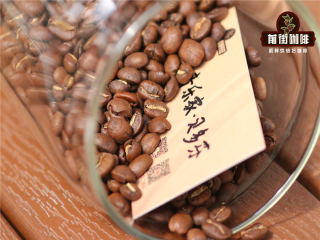
Eight major coffee producing areas in Costa Rica introduce the flavor characteristics of Costa Rican Tarazu coffee beans which taste good
Professional coffee knowledge exchange more coffee bean information Please follow the coffee workshop (Wechat official account cafe_style) Coffee taste Costa Rican coffee is usually very pure and sweet, but the alcohol thickness tends to be light and elegant. In recent years, many processing plants have begun to produce coffee with a variety of tastes and styles. Coffee since the early 19th century

Suggestion on brewing parameters of peppermint coffee in Stonehenge Manor in Bronka, Costa Rica
The boutique coffee beans from the famous Costa Rican coffee are fermented after a long period of sun treatment, with tropical fruit, passionflower, jasmine and other flavors, round body and high cleanliness. Front Street Coffee this blue mint coffee from Stonehenge Manor Brenka, Costa Rica, is treated with anaerobic and heavy honey.

Distribution of main coffee producing areas in Costa Rica differences in flavor of different grades of Costa Rican coffee beans
Professional coffee knowledge exchange more information about coffee beans please follow the coffee workshop (Wechat official account cafe_style) Costa Rica now has seven major coffee growing areas. 1.Tarrazu (Tarazhu); altitude 1300-2000m. 2.Tres Rios (Sanshui River); elevation 1400-1800m. 3.West Valley (western valley); altitude 1200-1650

What is the history, flavor and taste of Costa Rican coffee?
Coffee taste Costa Rican coffee is usually very pure and sweet, but the alcohol thickness tends to be light and elegant. In recent years, many processing plants have begun to produce coffee with a variety of tastes and styles. Coffee has been grown in Costa Rica since the early 19th century, and after Costa Rica became independent from Spain in 1821, the then self-government gave free coffee seeds to farmers to encourage coffee cultivation. Micro processing
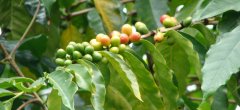
American Flavor Coffee Flavor of San Roman washing Plant, Costa Rica
Costa Rica is the country where coffee was first introduced into Central America. It has a long history and has a complete coffee organization from production to marketing system. Because it is located in the Central American Gorge, there are many volcanoes, it has the natural advantages of sunshine and land, and the climate is reconciled by Pacific and Atlantic currents and sea breeze at the same time, the coffee produced has the characteristics of local micro-climate, in terms of quality and quantity.
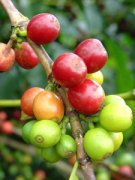
Costa Rican Coffee Flavor Costa Rican Fine Coffee Beans
Costa Rica was the first country to introduce coffee into Central America. It has a long history and a complete coffee organization system from production to sales. Because it is located in the Central American Isthmus, there are many volcanoes in the territory, it has the natural advantages of sunshine and land, and the climate is simultaneously coordinated by the Pacific Ocean and Atlantic Ocean currents and sea breezes. The coffee produced has the characteristics of local micro-climate and terroir conditions, both in quality and quantity.

Costa Rican Coffee Manor Goddess Manor
The weak acid fertile soil bred by the volcano of coffee cultivation has obvious dry and wet seasons, high temperature and sufficient precipitation, which provides excellent conditions for coffee cultivation. Coffee variety 100% Arabica. In 1989, it was rare to ban the cultivation of Robusta in the form of national legislation, which was then extended to boycott cartimor varieties. Most common are caturra and catua.
Costa Rican coral mountains
Costa Rican coffee is famous for its exquisite taste and strict quality control. In the private room coffee has been introduced to Costa Rica's Fica (Wolf Manor), which is a 50% honey-treated bean with a rich sweet taste and even a milky aroma when roasted in medium and deep depth.
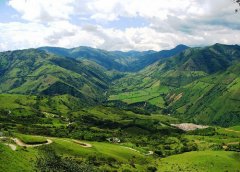
Costa Rican Diamond Hill Manor single Black Coffee
Costa Rican coffee cultivation was introduced by Cuba in 1779 and exported for the first time in 1820. There are about 32000 coffee farmers, with an average planting area of less than one hectare (10000 hectares) per farmer. Costa Rica has a population of 41 billion (2006), with a coffee planting area of 82500 hectares and an annual production of 1.7 million bags (60kgs per bag). The annual domestic consumption is 380000 bags.

Boutique coffee beans at Diamond Hill Manor in Costa Rica
Costa Rican coffee cultivation was introduced by Cuba in 1779 and exported for the first time in 1820. There are about 32000 coffee farmers, with an average planting area of less than one hectare (10000 hectares) per farmer. Costa Rica has a population of 41 billion (2006), with a coffee planting area of 82500 hectares and an annual production of 1.7 million bags (60kgs per bag). The annual domestic consumption is 380000 bags.

Tarazhu Cooperative's loud and long sour Costa Rican coffee
Professional coffee knowledge exchange more coffee bean information please follow the coffee workshop (Wechat official account cafe_style) Costa Rica Coffee cultivation was introduced from Cuba in 1779, only the first export of coffee in 1820, there are about 32000 coffee farmers, the average planting area per farmer is less than one hectare (10000 tons). Costa Rica has a population of 41 billion.