
"Burundi"
1421 article(s) found

Introduction of Jackson bourbon varieties in Burundian Coffee Flavor Manor
Starbucks of the United States, the world's largest coffee retailer, said a few days ago that it would buy more coffee from Burundi. Industry insiders said that Starbucks' move is conducive to the economic development of Burundi. In order to help Burundi integrate into the world coffee market as soon as possible, Starbucks has funded officials of the Burundian Coffee Management Commission to study abroad, the East African newspaper reported on the 8th.

African Burundian boutique coffee beans were formerly known as Urundi
Burundian Coffee bears a striking resemblance to neighboring Rwanda, where coffee from the two countries is often confused. Burundian coffee is mainly grown in bourbon, with traditional wet processing of coffee cherries. Its boutique coffee is characterized by elegant sweetness and bright citrus aromas. Origin: Burundi is located in eastern and central Africa.

Description of Burundian Coffee Flavor with spicy aftertaste introduction to the planting environment of the producing area
Burundi coffee was introduced by Belgian colonists in 1930. Unfortunately, many of these farms are on the border with war-torn Rwanda, putting pressure on coffee production. Coffee production in Burundi: Burundian coffee is now grown only on small farms. Almost all the coffee produced in Burundi is Arabian coffee beans.

A brief introduction to the flavor, taste and aroma characteristics of Burundian boutique coffee beans
There are many hippos and crocodiles in the lake, and there are many kinds of birds. There are more than 300 kinds of fish in the lake, among which the African crucian carp is the most famous. Developed water transport, there are Kighoma, Ugiji, Kalemi, Uvira, Bujumbura and other lake ports. There are many crocodiles and hippos in the lake, surrounded by elephants, antelopes, lions, giraffes and other animals endemic to Africa. The lake is rich in fish and all kinds of waterbirds, which is a good day.

Suggestion on hand-pulping parameters of boutique coffee beans grown in Burundikayanza province, Burundi
Professional baristas exchange please follow the coffee workshop (Wechat official account cafe_style) hand-made in Burundi. 15g powder, medium grinding (small Fuji ghost tooth cutter 4 grinding), v60 filter cup, 88-89 degrees water temperature, 30g water injection for the first time, steaming for 27 seconds, water injection to 105g water cut off, wait for the water volume of powder bed to be reduced to half and then water injection, slow water injection until 225g water, do not use water at the end.

Burundian Coffee the characteristics and flavor description of Burundian coffee
Burundi coffee was introduced by Belgian colonists in 1930. Unfortunately, many of these farms are on the border with war-torn Rwanda, putting pressure on coffee production. Coffee production in Burundi: Burundian coffee is now grown only on small farms. Almost all the coffee produced in Burundi is Arabian coffee beans.

Boutique coffee bean producing countries introduce Burundian coffee
Burundi coffee was introduced by Belgian colonists in 1930. Unfortunately, many of these farms are on the border with war-torn Rwanda, putting pressure on coffee production. Coffee production in Burundi: Burundian coffee is now grown only on small farms. Almost all the coffee produced in Burundi is Arabian coffee beans.
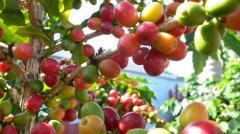
Burundi has the most varied and successful coffee fields in the world.
Fragrant, soft-flavored coffee from war-torn areas. Burundi has the most diverse and successful coffee industry in the world, and has its own characteristics. Coffee in this country was introduced by Belgian colonists in 1930 and is now grown only on small farms. Unfortunately, many of these farms are located on the border with war-torn Rwanda.

Burundi has the most diverse and successful coffee industry in the world.
Boutique coffee has a rich and beautiful taste. Even if the coffee made of boutique coffee beans is not all fine coffee, it depends on whether it gives full play to the characteristics of coffee beans, whether it has a good taste, if not, it can not be called boutique coffee. Fragrant, soft-flavored coffee from war-torn areas. The existence of Burundi (Burundi)

Introduction to the characteristics of Burundian coffee beans
Burundi coffee was introduced by Belgian colonists in 1930. Unfortunately, many of these farms are on the border with war-torn Rwanda, putting pressure on coffee production. Coffee production in Burundi: Burundian coffee is now grown only on small farms. Almost all the coffee produced in Burundi is Arabian coffee beans.

Burundian coffee flavor Burundian coffee characteristics Burundian coffee taste
Burundi coffee was introduced by Belgian colonists in 1930. Unfortunately, many of these farms are on the border with war-torn Rwanda, putting pressure on coffee production. Coffee production in Burundi: Burundian coffee is now grown only on small farms. Almost all the coffee produced in Burundi is Arabian coffee beans, while

Burundian coffee bean flavor Burundian coffee beans Burundian coffee characteristics
Burundi coffee was introduced by Belgian colonists in 1930. Unfortunately, many of these farms are on the border with war-torn Rwanda, putting pressure on coffee production. Coffee production in Burundi: Burundian coffee is now grown only on small farms. Almost all the coffee produced in Burundi is Arabian coffee beans.

Excellent acidity Burundian coffee flavor, characteristics, taste and manor introduction
Burundi coffee was introduced by Belgian colonists in 1930. Unfortunately, many of these farms are on the border with war-torn Rwanda, putting pressure on coffee production. Coffee production in Burundi: Burundian coffee is now grown only on small farms. Almost all the coffee produced in Burundi is Arabian coffee beans, while

Burundian coffee bean flavor Burundian coffee beans Burundian coffee characteristics
Burundi coffee was introduced by Belgian colonists in 1930. Unfortunately, many of these farms are on the border with war-torn Rwanda, putting pressure on coffee production. Coffee production in Burundi: Burundian coffee is now grown only on small farms. Almost all the coffee produced in Burundi is Arabian coffee beans.

Burundi coffee detailed explanation and future development
Pay close attention to the coffee comment (Weixin Official Accounts vdailycom ) and find that the beautiful coffee shop opens its own small shop. Burundi coffee summary: coffee varieties and varieties: 96% Arabica varieties, most of which are Jackson Bourbon and Mibirisi. Flavor spectrum: mellow, sour and bright, moderate sweetness. Main appellations: Bukfactor, Kilmiro, Namilwa. Altitude: 1000-200

Burundian Coffee with excellent acidity Flavor description of Burundian Coffee characteristics of Fine Coffee beans
10.5 million (2014). It consists of three tribes: Hutu (84%), Tutsi (15%) and Tewa (1%). The official languages are Kirundy and French, Mandarin is Kirundy, and some residents speak Swahili. Among the residents, 61% believe in Catholicism, 24% believe in Protestantism, 3.2% believe in primitive religions, and the rest believe in other religions or do not. The proportion of the population is: male accounts for the total

Bourbon single boutique Burundian Burundi Burundian Champion processing Factory Cajanza Province Coffee
Burundi is located south of the equator in east-central Africa. It is bordered by Rwanda to the north, Tanzania to the east and south, Congo (Kinshasa) to the west, and Lake Tanganyika to the southwest. There are many plateaus and mountains in the territory, most of which are made up of the plateau on the east side of the East African Rift Valley. The national average elevation is 1600 meters, which is known as the mountain country. More than half of them are located in the famous Lake Tanganyika (Lake Tanganyika).

Cultivation of boutique coffee beans grown in sunburn bourbon, Burundikayanza, Burundi
Burundi is located south of the equator in east-central Africa. It is bordered by Rwanda to the north, Tanzania to the east and south, Congo (Kinshasa) to the west, and Lake Tanganyika to the southwest. There are many plateaus and mountains in the territory, most of which are made up of the plateau on the east side of the East African Rift Valley. The national average elevation is 1600 meters, which is known as the mountain country. More than half of them are located in the famous Lake Tanganyika (Lake Tanganyika).

Introduction of Burundian Coffee Flavor, characteristics and producing areas
Characteristics of Burundi Coffee: Burundi (Burundian) has the most diverse and successful coffee industry in the world, and has its own characteristics. Burundian coffee is fragrant and has excellent acidity. Flavor: mellow taste, rich aroma, excellent acidity suggested baking method: medium to deep roasting ★★: good Burundian coffee market: Burundian coffee

Almond aroma of Burundi fine coffee beans varieties planted market price profile
This batch belongs to Bourbon seed micro batch [Champion Processing Plant in Burundi] Located at the peak of Maldadi, Panjia Processing Plant in Kabye District, Kayanza Province, with a very high altitude, even more than 2000 meters above the mountain, fertile soil, gravel soil, very suitable for coffee growth, recognized as the best coffee processing plant in Burundi. Bean Parameters: Country: Burundi Growth: 1750 km