
"Cafa"
156 article(s) found

Introduction to Monteway Manor, Columbia | characteristics of WushWushzyme aerobic fermentation in the sun
Monteway Manor in Colombia is located in the southern province of Tolima, Colombia, between 1800 and 2100 meters above sea level. Its geographical location provides the manor with good sunshine hours and rainfall seasons, coupled with the characteristics of high altitude, Monteway Manor has the ability to plant many special varieties of beans, such as Geisha, WushWush,

Ethiopian Coffee | Kafa Forest Coffee | characteristics of Ethiopian coffee beans
Professional coffee knowledge exchange more coffee bean information please follow coffee workshop (Wechat official account cafe_style) Kafa primeval forest ecological area (Kafa Forest) Wild Grown wild cultivated varieties country: ETHIOPIA Ethiopia grade: forest wild planting Wild Grown Kafa Forest Coffee producing area: Kafa primeval forest In der Provinz

Description of the flavor of Yejia Coffee Cochel washed coffee beans introduction to the regional treatment method of manor production
Yega Coffee Kochel washed coffee bean flavor description manor regional treatment method Ethiopia, known as the birthplace of coffee, has a history of coffee origin and traditional agricultural farming techniques. It is said that the English word coffee also comes from the place name kaffa in Ethiopia. Legend has it that around 900 AD, the Cafa region of Ethiopia

What are the coffee bean farms in Brazil and what cooperative importers are there in China?
What are the coffee bean farms in Brazil? what are the cooperative importers in China? ancient bourbon coffee is grown on some estates in the Serrado district of Minas Greais state in southeastern Brazil. These estates, such as Capin Branco and Vista Allegre, are also on the market for old bourbon coffee.

What are the coffee bean producing areas? an analysis of the coffee producing areas in Ethiopia
Ethiopian producing areas, generally speaking, Ethiopian coffee producing areas can take the East African Rift Valley as the demarcation point and evolve separately. To the west of the Great Rift Valley, that is, the western half of the famous producing areas from north to south, including Zege in Lake keTana in the northwest of the capital, and Gimbi and Li in the west of the capital.

How about Brazilian Santos coffee beans? Brazilian Santos coffee tastes moderate acidity and elegant
Professional coffee knowledge exchange More coffee bean information Please pay attention to Coffee Workshop (Weixin Official Accounts cafe_style) Front Street-Brazil Santos Coffee Introduction Brazil Santos Coffee, such as rhythmic, vigorous samba dance and group crazy, earth-shaking carnival, completely integrated into the lively, cheerful Brazilian blood, it with colorful flavor

Boutique coffee beans Ethiopian coffee Yega Xuefei unique flavor full of taste
When it comes to Ethiopia, everyone may think of the word poverty. Yes, Ethiopia's economy has become depressed after the destruction of the civil war and the test of periodic droughts. But these do not affect its pursuit of coffee quality. Ethiopia is also an important coffee producer in the world in terms of quantity and quality. Be able to export some of the world

The History of Coffee the Origin of Coffee
The historical origin of coffee there is no way to examine the origin of coffee. One of the many legends is that coffee originated in the highlands of Cafa province in southwestern Ethiopia. It is said that a shepherd became very excited and lively when he discovered that the sheep had eaten a plant, so he discovered coffee. It is also said that it was caused by a wildfire that destroyed a coffee forest and the smell of barbecue coffee.
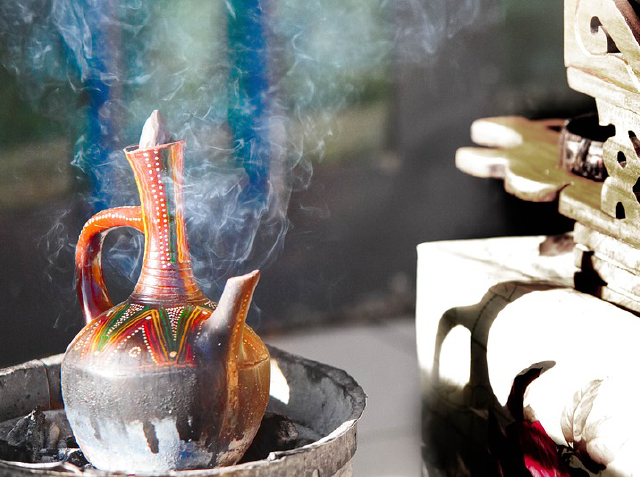
Classification and Flavor characteristics of Ethiopian Coffee Bean Heirloom varieties introduced in Ethiopian Fine Coffee producing areas
Ethiopia, the birthplace of coffee, has a number of boutique coffee producing areas, producing popular high-quality coffee beans, such as Yega Xuefei, Guoding Ding Ding, Sakui and so on. Each producing area will have its own flavor characteristics. Follow Qianjie Coffee to learn about it.

Detailed Analysis of four cultivation Systems of Coffee in Ethiopia
Forest coffee (Forest Coffee): wild coffee, which accounts for 10% of Ethiopia's national output, is distributed in the wild coffee forest areas of the west and southwest, also known as the Kafa forest. The dense trees here provide the most natural shade for coffee trees and do not need manual care. Mother Earth is in charge of birth, aging, sickness and death, and coffee farmers can go directly to the woodland to harvest. Hansen

Introduction to the description of Flavor of Ethiopian Coffee Bean by Variety treatment
Ethiopia grows coffee in different climatic zones, so it has more than 140 farm varieties, and fresh coffee is produced all the year round. The quality of Ethiopian coffee varies according to different elevations and regional ecological environment. The Harar coffee in the southeast highland is a typical Muha coffee with a strong flavor; the coffee produced in the southwest Wollega has a rich fruity flavor; Limu coffee

Detailed Analysis of four cultivation Systems in Coffee producing areas of Ethiopia
Forest coffee (Forest Coffee): wild coffee, which accounts for 10% of Ethiopia's national output, is distributed in the wild coffee forest areas of the west and southwest, also known as the Kafa forest. The dense trees here provide the most natural shade for coffee trees and do not need manual care. Mother Earth is in charge of birth, aging, sickness and death, and coffee farmers can go directly to the woodland to harvest. Hansen
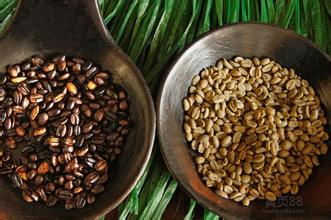
Ethiopian coffee Yega Xuefei coffee boutique coffee beans have a unique flavor
Although the Ethiopian Yirgacheffe coffee is petite, it is gentle and delicate and sweet. As the hometown of coffee, thousands of years of planting history and processing tradition in Ethiopia have created high-quality washed Arabica beans. Light baking has unique sweet aromas of lemon, flowers and honey, soft acidity and citrus flavors, fresh and bright on the palate. No.

Which countries grow coffee trees? how much fruit does a coffee tree have?
The fruit of coffee grown contains two seeds, namely coffee beans. The two beans are connected face to face with each other on one side of the plane. Each coffee bean has a thin outer film, which is called silver skin, and its outer layer is covered with a yellow outer skin, called endocarp. The whole coffee bean is wrapped in a sticky pulp to form a soft pulp.

Introduction to the characteristics of grinding degree of Ethiopian coffee bean name manor producing area flavor description treatment method
Ethiopian coffee bean flavor description method introduces Ethiopia, known as the birthplace of coffee, which has a history of coffee origin and traditional agricultural cultivation techniques. It is said that the English word coffee also comes from the place name kaffa in Ethiopia. Legend has it that around 900 AD, a shepherd in the Cafa region of Ethiopia was grazing in the mountains.

Description of coffee flavor in Erida Manor, introduction to the price of varieties and characteristics of grinding degree
Ethiopia, known as the birthplace of coffee, has a history of coffee origin and traditional agricultural farming techniques. It is said that the English word coffee also comes from the place name kaffa in Ethiopia. Legend has it that around 900 AD, when a shepherd in the Cafa region of Ethiopia was grazing in the mountains, he found sheep competing for a kind of red berry.

Four major cultivation systems of Ethiopian coffee analyze in detail how Ethiopian coffee is cultivated.
Forest coffee (Forest Coffee): wild coffee, which accounts for 10% of Ethiopia's national output, is distributed in the wild coffee forest areas of the west and southwest, also known as the Kafa forest. The dense trees here provide the most natural shade for coffee trees and do not need manual care. Mother Earth is in charge of birth, aging, sickness and death, and coffee farmers can go directly to the woodland to harvest. Hansen

An introduction to the historical and cultural development of coffee in China
There is no way to examine the source of coffee. One of the many legends refers to the highlands of Cafa province in southwestern Ethiopia. It is said that a shepherd became very excited and lively when he discovered that the sheep had eaten a plant more than a thousand years ago, so he discovered coffee. It is also said that a coffee forest was destroyed by a wildfire, and the smell of barbecue coffee attracted the attention of the surrounding residents.

Boutique Coffee basic knowledge Coffee Tree varieties
Coffee is a perennial evergreen shrub or small tree of Rubiaceae. It is a horticultural perennial cash crop with the characteristics of fast growth, high yield, high value and wide market. Wild coffee trees can grow to a height of 5 to 10 meters, but coffee trees planted on the manor are often cut to less than 2 meters in order to increase their fruit and facilitate harvesting. The opposite leaves of coffee trees are long oval.