
"Kafa"
811 article(s) found

Is Ethiopia Jinma Coffee good? an introduction to the Flavor characteristics of Jima Coffee producing area in Ethiopia
Professional coffee knowledge exchange more information about coffee beans Please follow the Coffee Workshop (official Wechat account cafe_style) says coffee gets its name from the Kafa region of Ethiopia, where it is produced. Like other coffee in the region, this coffee bean tastes heavy and has an aftertaste like wine
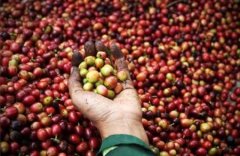
Ethiopian boutique coffee beans introduce the characteristics of Ethiopian coffee Ethiopian coffee mouth
Ethiopia is an agricultural country with a history and tradition of coffee origin. The place where the name coffee comes from is Kafa in the southwest, while the Sidamo place in the south is the main producing area, and Yegashafi is one of the southern producing areas of Sidamo. The Eastern Highland Hara is as famous as the coffee name Hara. Ethiopia is an important coffee producer.

Where coffee originated, coffee originated in Ethiopia.
Kafa, Ethiopia, which used to be a small village, has now developed into a region. This area is the first place in the world to find coffee. Coffee trees in many places are transplanted from here. Up to now, there are still more than 5,000 kinds of coffee trees in the region, most of which are not known to the world. Fortunately, these coffee trees have been used by the Ethiopian government.

Coffee Lim producing area of Ethiopia
At 1200-1900 meters above sea level, the average planting height in this area is significantly lower than that in other areas, but there is still fine coffee. Lim producing area is located in the southwest of the capital, and Gemma can be reached further south. Both belong to the Kafa Forest, north of Lim and south of Gemma. Lim is mostly washed with water beans, orange fragrance is strong, sour and lively, the flavor is similar to water washing Yega Xuefei. Lim also has a small amount of coffee.

Ethiopian boutique coffee beans Ethiopian coffee has a unique flavor
Ethiopia is one of the major producers of Arabica coffee in Africa, producing the best Arabian coffee in the world. It is said that coffee was first discovered by shepherds in Essekafa, and the name of coffee evolved from Kafa, so Essex is still the hometown of coffee. Ethiopia's geographical environment is very suitable for coffee growth. Coffee is mainly grown at 1100 meters to 2300 meters above sea level.
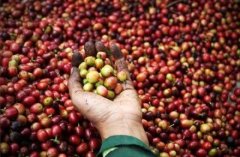
Introduction of African Fine Coffee Bean producing countries-- Ethiopian Yegashifi Coffee Sidamo Coffee
Ethiopia is an agricultural country with a history and tradition of coffee origin. The place where the name coffee comes from is Kafa in the southwest, while the Sidamo place in the south is the main producing area, and Yegashafi is one of the southern producing areas of Sidamo. The Eastern Highland Hara is as famous as the coffee name Hara. Ethiopia is an important coffee producer.

Coffee bean grinder, the birthplace of Ethiopian coffee
There is a small town in southern Ethiopia called Kafa, which is the earliest birthplace of coffee. But now Ethiopia is most famous for coffee beans with the trademarks of Hal, Sidamo and Yega Snow. In fact, most of Starbucks' raw materials come from these three brands. Ethiopia is now reduced to the world's eighth largest coffee exporter, accounting for only the total export of global coffee.

Common sense of coffee beans in Ethiopia
In recent years, scientists have studied the coffee gene in Ethiopia and believe that Arabica originated from the Cafa forest in the southwest-the Gemma producing area-and then transplanted to Harald in the east and Lekamp in the northwest. The latter two genes are far less complex than coffee in the Kafa forest. Although the coffee beans in the northwest are obviously more spectacular than those in the southwest, the cup test results are not as good as those in the southwest.

Ethiopian "beans can not be seen" coffee varieties
In recent years, scientists have studied the coffee gene in Ethiopia and believe that Arabica originated from the Cafa forest in the southwest-the Gemma producing area-and then transplanted to Harald in the east and Lekamp in the northwest. The latter two genes are far less complex than coffee in the Kafa forest. Although the coffee beans in the northwest are obviously more spectacular than those in the southwest, the cup test results are not as good as those in the southwest.

Coffee growth trainee introduction to Indonesian coffee
Coffee trees [2] like mild temperatures during the day and less than two hours of direct sunshine, so if coffee trees lack the afternoon showers or thick fog to report every day, local farmers have to plant many taller trees in the coffee garden for shade. At night, they want an environment of about ten degrees Celsius but not too low, because it is too warm

Coffee basic knowledge Coffee originated in Ethiopia
Kafa, Ethiopia, which used to be a small village, has now developed into a region. This area is the first place in the world to find coffee. Coffee trees in many places are transplanted from here. Up to now, there are still more than 5,000 kinds of coffee trees in the region, most of which are not known to the world. Fortunately, these coffee trees have been used by the Ethiopian government.

Coffee bean producing area Ethiopian coffee Lim producing area
At 1200-1900 meters above sea level, the average planting height in this area is significantly lower than that in other areas, but there is still fine coffee. Lim producing area is located in the southwest of the capital, and Gemma can be reached further south. Both belong to the Kafa Forest, north of Lim and south of Gemma. Lim is mostly washed with water beans, orange fragrance is strong, sour and lively, the flavor is similar to water washing Yega Xuefei. Lim also has a small amount of coffee.

Mixed coffee made by hand in autumn | coffee beans made by hand [Ethiopian washing Cochel]
Professional coffee knowledge exchange more coffee bean information please follow the coffee workshop (Wechat official account cafe_style) autumn hand-mixed coffee | hand-made coffee beans [Ethiopian washing Kocher] brief introduction? What are the flavor characteristics? Cochel producing area is located in Yega Sheffield, Ethiopia. The grades of washed raw beans are G1 and G2, sun-dried raw beans, etc.
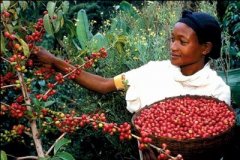
Coffee Lim producing area uses coffee powder coffee trading network
At 1200-1900 meters above sea level, the average planting height in this area is significantly lower than that in other areas, but there is still fine coffee. Lim producing area is located in the southwest of the capital, and Gemma can be reached further south. Both belong to the Kafa Forest, north of Lim and south of Gemma. Lim is mostly washed with water beans, orange fragrance is strong, sour and lively, the flavor is similar to water washing Yega Xuefei. Lim also has a small amount.

Coffee + name + Origin of Ethiopian History
Coffee + name + History of Ethiopia Coffee is produced in many parts of Ethiopia, but the main producing areas are still concentrated in the Kafa and Hidamo areas in the southwest. Where the sea limit is between 11002300 meters, the precipitation is uniform during the growing period, the temperature is maintained between 1524 degrees Celsius, and most of the soil is weakly acidic soil with good drainage and rich humus, which is suitable for coffee.

Panama Janson Coffee Farm Jensen Coffee Farm introduces Rosa Coffee Flavor
Professional coffee knowledge exchange more coffee bean information please follow the coffee workshop (Wechat official account cafe_style) the variety of geisha coffee beans comes from Ethiopia. Although geisha coffee beans have been developed in Panama, but after the supervision of experts, the varieties of geisha coffee beans actually come from Ethiopia's coffee gene treasure house-Kafa Forest, to be exact, it is an art in the southwest of Ethiopia.

Ethiopian "beans can not be judged by appearance" boutique coffee beans
In recent years, scientists have studied the coffee gene in Ethiopia and believe that Arabica originated from the Cafa forest in the southwest-the Gemma producing area-and then transplanted to Harald in the east and Lekamp in the northwest. The latter two genes are far less complex than coffee in the Kafa forest. Although the coffee beans in the northwest are obviously more spectacular than those in the southwest, the cup test results are not as good as those in the southwest.

Cultural knowledge of boutique coffee coffee originated in Ethiopia
Kafa, Ethiopia, which used to be a small village, has now developed into a region. This area is the first place in the world to find coffee. Coffee trees in many places are transplanted from here. Up to now, there are still more than 5,000 kinds of coffee trees in the region, most of which are not known to the world. Fortunately, these coffee trees have been used by the Ethiopian government.

The source of coffee beans Coffee originated in Ethiopia
Kafa, Ethiopia, which used to be a small village, has now developed into a region. This area is the first place in the world to find coffee. Coffee trees in many places are transplanted from here. Up to now, there are still more than 5,000 kinds of coffee trees in the region, most of which are not known to the world. Fortunately, these coffee trees have been used by the Ethiopian government.