
"screening"
10529 article(s) found

Standard for grading coffee beans
There are two ways to grade coffee beans, one is to filter the number of points, one is to elevation points. It is divided by the filter number and the size is determined by the mesh size. Round beans are generally smaller than flat beans, round beans between 8-13, flat beans between 12-29. 8,9,10... 12,13... 18... 29 = Small, Medium, Normal... It's a big... big, extra big. The bigger the number, the bigger the bean. Like SC
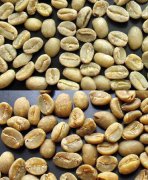
Grading of raw coffee beans
There are two ways to classify raw coffee beans, one is the filter number, and the other is the elevation. It is divided by the filter number, and the size is size in terms of the screen size. Round beans are generally smaller than flat beans, between 8-13 and 12-29. 8, 9, 10. 12, 13. 18. 29 = small, medium, ordinary. Quasi-big. Big, extra large. The bigger the size, the bigger the beans. Like SC-.
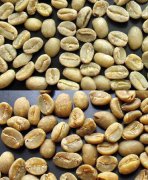
Classification of raw coffee beans in Coffee Encyclopedia
There are two ways to classify raw coffee beans, one is the filter number, and the other is the elevation. It is divided by the filter number, and the size is size in terms of the screen size. Round beans are generally smaller than flat beans, between 8-13 and 12-29. 8, 9, 10. 12, 13. 18. 29 = small, medium, ordinary. Quasi-big. Big, extra large. The bigger the size, the bigger the beans. Like SC-.
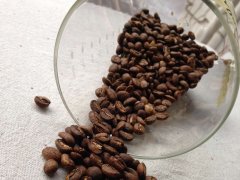
There are two ways to grade green coffee beans.
There are two ways to grade coffee beans, one is to filter the number of points, one is to elevation points. The size of the round beans is generally smaller than the flat beans, the round beans are between 8-13, and the flat beans are between 12-29. 8,9,10... 12,13... 18... 29= ,,......, Extra large. The bigger the number, the bigger the bean. SC-19, for example, is bean number 19.

General knowledge of fine coffee beans grading of raw coffee beans
There are two ways to classify raw coffee beans, one is the filter number, and the other is the elevation. It is divided by the filter number, and the size is size in terms of the screen size. Round beans are generally smaller than flat beans, between 8-13 and 12-29. 8, 9, 10. 12, 13. 18. 29 = small, medium, ordinary. Quasi-big. Big, extra large. The bigger the size, the bigger the beans. Like SC-.
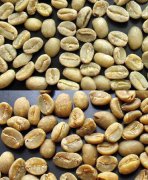
There are two methods for grading raw coffee beans in terms of sieve size, size
There are two ways to classify raw coffee beans, one is the filter number, and the other is the elevation. It is divided by the filter number, and the size is size in terms of the screen size. Round beans are generally smaller than flat beans, between 8-13 and 12-29. 8, 9, 10. 12, 13. 18. 29 = small, medium, ordinary. Quasi-big. Big, extra large. The bigger the size, the bigger the beans. Like SC-.

Grading of raw coffee beans
At present, there are three main rating criteria for raw coffee beans, and different countries adopt different rating methods according to their own production conditions and national conditions (not all coffee producing countries adopt the same method). Let's introduce these three popular rating methods. One: the reason for the emergence of such a classification standard according to the altitude of the coffee producing area is mainly because of the high level.

Common troubleshooting of JURA coffee machine maintenance of coffee machine
One: screen display: FILL WATER reason: 1. The water tank is empty. two。 Buoy malfunction. Solution: 1 add water. Moistening or descaling the water tank. Second, the screen shows: FILL BEANS reason: 1. The bean trough is empty. two。 It still shows after adding beans. Solution: 1. Add beans. two。 Make a cup of coffee and disappear. Three: screen display: EMPTY GROUNDS reason: 1. The chassis is full. two。
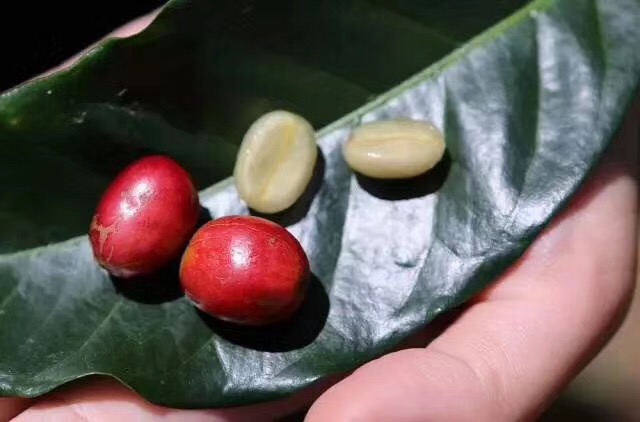
What is the amount of information contained in the name of coffee? Classification and classification of coffee
What is the amount of information contained in the name of coffee? Take chestnut as an example, coffee name: Costa Rica Tarrazu SHB EP Red Honey country + producing area + grading name + treatment translation: extremely hard beans in Tara Pearl, Costa Rica grading and classification of coffee treated with ep standard red honey in order to distinguish between good quality coffee beans and poor quality coffee beans

Common knowledge of coffee machine JURA coffee machine common trouble shooting
One: screen display: FILL WATER reason: 1. The water tank is empty. two。 Buoy malfunction. Solution: 1 add water. Moistening or descaling the water tank. Second, the screen shows: FILL BEANS reason: 1. The bean trough is empty. two。 It still shows after adding beans. Solution: 1. Add beans. two。 Make a cup of coffee and disappear. Three: screen display: EMPTY GROUNDS reason: 1. The chassis is full. two。
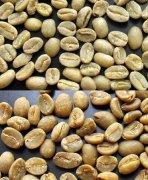
Grading of raw coffee beans there are two ways to grade raw coffee beans.
There are two ways to classify raw coffee beans, one is the filter number, and the other is the elevation. It is divided by the filter number, and the size is size in terms of the screen size. Round beans are generally smaller than flat beans, between 8-13 and 12-29. 8, 9, 10. 12, 13. 18. 29 = small, medium, ordinary. Quasi-big. Big, extra large. The bigger the size, the bigger the beans. Like SC-.

Graded coffee raw bean treatment
At present, there are three main rating criteria for raw coffee beans, and different countries adopt different rating methods according to their own production conditions and national conditions (not all coffee producing countries adopt the same method). Let's introduce these three popular rating methods. One: the reason for the emergence of such a classification standard according to the altitude of the coffee producing area is mainly because of the high level.

Basic knowledge of fine coffee grading of raw coffee beans
At present, there are three main rating criteria for raw coffee beans, and different countries adopt different rating methods according to their own production conditions and national conditions (not all coffee producing countries adopt the same method). Let's introduce these three popular rating methods. One: the reason for the emergence of such a classification standard according to the altitude of the coffee producing area is mainly because of the high level.

The way of sieve grading is to grade according to the size of raw coffee beans. The raw bean passes through the iron with holes.
The way of grading according to the screen is the method of grading according to the size of raw coffee beans. Raw beans are graded by determining the size of the beans through a holed iron plate sieve. The size of the hole in the screen is 1x64 inches (less than 0.4mm), so the size of the screen indicates that there are several screens with a size of 64 inches. For example, the size of the screen size 17 is 17thumb 64 inches, which is about 6.75mm, so the screen
Common troubleshooting of JURA coffee machine
One: screen display: FILL WATER reason: 1. The water tank is empty. two。 Buoy malfunction. Solution: 1 add water. Moistening or descaling the water tank. Second, the screen shows: FILL BEANS reason: 1. The bean trough is empty. two。 It still shows after adding beans. Solution: 1. Add beans. two。 Make a cup of coffee and disappear. Three: screen display: EMPTY GROUNDS reason: 1. The chassis is full. two。

Yurui coffee machine troubleshooting maintenance treatment introduction
1. Screen display: FILL WATER Reason: 1. Water tank is empty 2. Buoy malfunction. Solution: 1. Add water 2. Wet or descale the tank. 2. Screen display: FILL BEANS Reason: 1. Bean slot is empty 2. Add beans still displayed. Solution: 1. Add beans 2. Make a cup of coffee and disappear. 3. Screen Display: EMPT
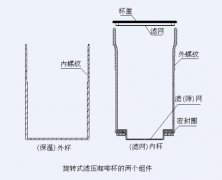
"Rotary filter coffee cup" this product is characterized by
Recently, a new type of coffee utensils, rotary filter coffee cup, has been granted a patent by the state. This is an improved product for the traditional French filter pressure pot. The characteristics of this product are as follows: (1) Coffee powder uses the filter mesh attached to its inner cup and the inside of the cup lid for secondary screening, and the mesh mesh on the cup lid is larger than that of the inner cup. The coffee powder was screened with a very high screening rate by secondary screening.

The way the sieve is graded is by the size of the green coffee beans. Fine coffee
The method of sieve classification is the method of classifying green coffee beans according to their size. Raw beans are passed through a perforated iron sieve to determine the size of the beans and thus the grade. The hole size unit of the screen is 1/64 inch (less than 0.4mm), so the number of screens indicates that there are several 1/64 inches, such as the size of the 17th screen is 17/64 inches, about 6.75mm, so the screen

Introduction to the Flavor description treatment method of Indonesian Coffee Raw Bean grading Standard
The standard for flavor description of raw coffee beans in Indonesia the size of the international practice is 9: 22, and the number used represents the diameter of the screen, with this number as the numerator and 64 as the denominator, in inches. For example, 14 refers to raw coffee beans that can be sifted through a 14-inch screen with a diameter of 64 inches, and 19 + refers to coffee that can be sifted with a diameter of more than 64 inches with a 19-inch screen.

Coffee carving
The principle of the screen pattern method is very simple, generally divided into two ways of expression. The first way is to let the milk and the milk foam be separated for about 30 seconds after the milk has finished foaming, and then use a spoon to block part of the milk foam to first merge the milk with espresso, and then use a spoon to cover the milk foam on the surface of the coffee to form a snow-white shape.