
Yunnan Coffee
Latest articles, industry insights and brewing guides

Washed Coffee Processing Steps After Harvest in Yunnan
Learn how freshly picked coffee cherries are processed in Yunnan’s wet mills — from sorting and pulping to fermentation and washing.

Visit Zhu Kula Cafe for Historic Yunnan Coffee
Discover China’s oldest coffee trees planted in 1892 at Zhu Kula Cafe, now part of the Zhu Kula Dream Manor near Dali.

Why Coffee Is More Than a Drink in China’s Yunnan
Explore how Yunnan’s coffee culture blends farming, global demand, and local identity beyond the cup.

What’s Wrong With How We Talk About Yunnan Coffee?
Debunking myths about Yunnan coffee: why 'good' claims often lack proof, and what really defines quality in China-grown beans.
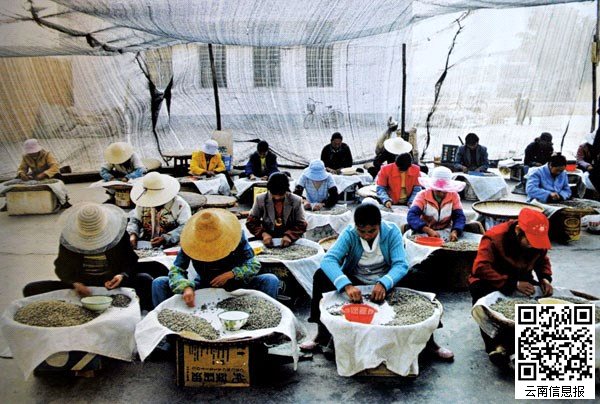
Yunnan Coffee Bean Prices Drop to 18 Yuan per Kilogram
After peaking at 26 yuan/kg, Yunnan coffee prices fell to 18 yuan/kg by late April 2015. Farmers remain marginally profitable due to 15 yuan/kg production costs.

Yunnan Arabica Coffee: Growing Conditions & Brewing Guide
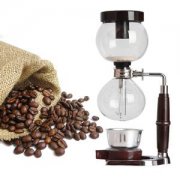
Learn why Yunnan’s high-altitude climate produces world-class Arabica coffee, and how to brew it perfectly using a siphon (vacuum) pot.

When Was Coffee First Introduced to Yunnan? Tracing the 1893 Origin
New evidence places the earliest Yunnan coffee planting in 1893, not 1914. Here’s how missionary activity, ethnic trade, and cross-border seed gifts shaped China’s coffee origin story.

Where Chinese Coffee Began: Zhugula, Yunnan
Zhugula village in Yunnan’s Binchuan county is home to China’s oldest coffee trees, planted by French missionaries in 1892 and still bearing fruit.

The Origins of Chinese Coffee in Yunnan’s Zhukula Village
Discover the 130-year-old coffee legacy in Yunnan’s remote Zhukula village, home to China’s oldest living coffee trees planted in 1892.

How Yunnan Coffee Rose to Global Specialty Status
Discover how Yunnan coffee became a top global choice after years of growth, and learn why international buyers now seek its beans.
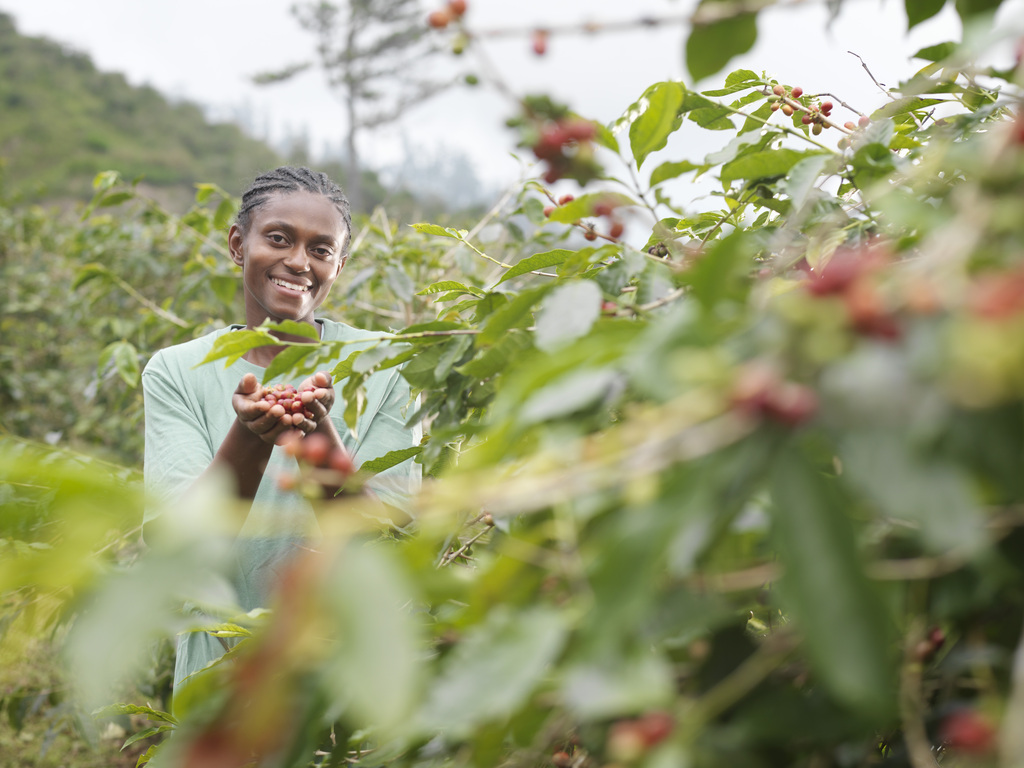
How to Drink Yunnan Coffee: A Complete Guide
Discover how to enjoy Yunnan-grown coffee, China’s top-producing region supplying 99% of the country’s beans with unique fruity, acidic profiles.

Where Is Chinese Coffee Grown? The Yunnan Story
Yunnan produces over 80% of China’s coffee on high-altitude, fertile slopes with ideal climate—here’s why it tastes the way it does.

Why Yunnan Produces 99% of China’s Coffee
Yunnan grows 99% of China’s coffee on 1.87 million acres, yielding 118,000 tons in 2014—here’s why it dominates the national supply.

What Makes Yunnan Coffee Special Compared to Global Origins?
Discover how Yunnan coffee compares to global origins like Colombia, Ethiopia, and Jamaica, with expert tasting notes and roast profiles.
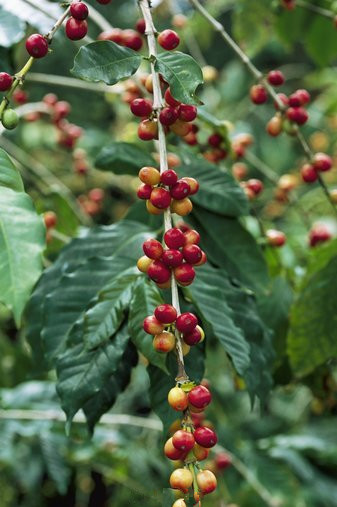
Why Yunnan Produces 99% of China’s Coffee
Yunnan grows over 99% of China’s coffee, with 183,000 acres planted and 11,800 tons produced in 2014. Discover the region behind the country’s coffee industry.

Yunnan Coffee Industry Targets 35 Billion Yuan by 2020
By 2020, Yunnan aimed for 250,000 acres of coffee, 200,000 tons of beans, 35 billion yuan in output, and $300 million in exports.

Yunnan Specialty Coffee: The Rise of Aini Coffee
Yunnan’s coffee is gaining global recognition through brands like Aini, which focuses on quality processing and branding. Its highland farm, Manzhongtian, leads domestic specialty coffee.
How Yunnan Coffee Beans Are Wet Processed Step by Step
Learn the full wet processing method for Yunnan coffee beans, from fruit removal to fermentation timing and washing steps.

Yunnan Civet Coffee: What’s Really Behind Kopi Luwak?
Civet coffee from Yunnan is often wrongly called kopi luwak. In truth, masked palm civets—not true civets—created the myth. Here's the actual origin.
Yunnan Produces Just 50 to 100kg of Kopi Luwak Annually
A rare tasting in Kunming revealed that Yunnan’s wild civet coffee is produced in tiny quantities—just 50 to 100kg per year—and sells for ¥1600 a cup.