
V60
Latest articles, industry insights and brewing guides
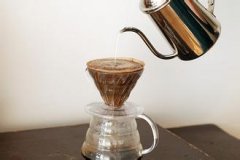
How to use V60 Coffee filter Cup
The characteristics of the V60 hand filter bowl through the V60 hand filter bowl, you can control many variables in the coffee making process at will, and its controllability is much higher than that of any drip filter coffee machine or coffee pot on the market. The high performance of V60 comes from three major features of its own design: 1. The tilt angle of the four walls of the filter bowl is 60, which makes it easier for the water to flow to the center of the filter bowl, increasing the coffee powder and water.

Factors affecting hand brewing Fine Coffee drinking Coffee hand flushing
The essence of sailor coffee is to extract the unique flavor and taste of coffee beans by hot water at a certain temperature. the main ingredient of coffee is water. So the quality of the water is the key, but if it's not a cafe, but playing at home, you don't have to worry too much. But it is definitely not recommended to use tap water, too many impurities. Just buy an easy-to-use filter kettle, more

The process and stage characteristics of coffee roasting which kind of beans are suitable for hand-brewed coffee
The flavor of coffee not only depends on the variety of coffee, roasting is also a decisive factor. Basically, the roasting of coffee is a kind of high-temperature coking, which completely changes the substances inside the raw beans, produces new compounds, and recombines to form aroma and mellow flavor. This effect will only occur at high temperature. If only low temperature is used, it will not cause decomposition and baking again.

How to make a delicious cup of coffee which kind of beans are suitable for hand-brewing coffee
. Brew. After steaming, put the kettle on a moist cloth to cool down. 25-30 seconds later, the water temperature drops to 89-91 degrees, and you can brew. Generally speaking, the brewing temperature of moderately roasted coffee beans (we call inert beans) is 91 degrees, which can better extract the aroma of coffee beans, while deep-roasted coffee beans (active beans) have a brewing temperature of 89 degrees. This water

Best Bolivian Coffee Beans for Pour-Over Brewing
Discover the unique Bolivian coffee regions, flavors, and why Bolivian beans shine across light, medium, and dark roasts — plus top picks for pour-over.
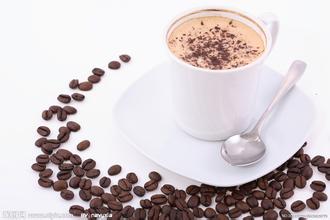
Pour-Over Coffee: Filter Paper vs Filter Cloth – Which Is Better?
Filter paper blocks more fines and oils but needs preheating. Filter cloth allows finer flavor nuances but requires cleaning. Here’s what actually changes.

Siphon vs Pour-Over Coffee: Brewing Methods Compared
Learn how siphon and pour-over brewing differ in technique, flavor, and history—from 18th-century Britain to modern specialty coffee.

How Fine Should Pour-Over Grind Be? Step-by-Step Guide
Learn the optimal grind size, bloom technique, and brewing steps for manual pour-over coffee, including ideal water temperatures and ratios.
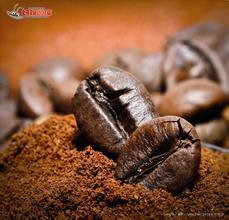
How Grind Size Affects Your Brew: Espresso, Pour-Over & More
Find the right coffee grind size for your brewing method—from espresso to French press—and avoid over- or under-extracted coffee.

How Siphon Coffee Differs from Pour-Over: Key Traits
Discover how siphon coffee offers richer, more stable extraction than pour-over, with a smoother or bolder taste depending on your filter choice.

Why the Hario V60 Is the Most Popular Pour-Over Dripper
The Hario V60’s design lets you control water flow, grind size, and extraction time—key to its vibrant, clean cup. Here’s why it’s loved worldwide.

How to Bloom and Pour for Better Pour-Over Coffee
Learn the correct bloom size, water flow, and timing to improve your pour-over coffee’s extraction and flavor clarity.
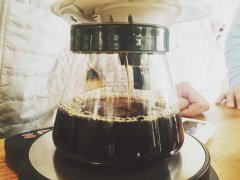
The Academy Pour-Over Method for Consistent Handbrewing
The academy pour-over method is the most reliable and beginner-friendly manual brew technique, known for its stable extraction.
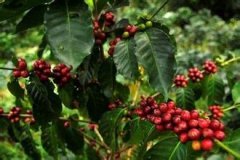
Why the Stirring Pour-Over Method Became Popular
Learn how the stirring pour-over technique enhances coffee flavor, when it works best, and what to watch out for.
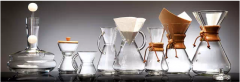
Matsuya Method: A Japanese Pour-Over Technique
The Matsuya pour-over method minimizes flavor change over time with a unique 3-minute bloom and long drawdown. Here's how it works.

How to Brew Pour-Over Coffee: Step-by-Step Guide
Learn the full pour-over coffee technique with exact grind size, water ratio, timing, and how to adjust flavor.

5 Popular Pour-Over Methods for Specialty Coffee
Explore five well-known manual brewing styles for pour-over coffee, from Japanese volcano pour to academic drip, with pros, cons and key details.

How to Brew Coffee with Paper Filters Using Pour-Over Method
Learn how to make clean, flavorful pour-over coffee using paper filters. Step-by-step guide with water temps, bloom steps, and customization tips.

What Is the Academic Pour-Over Method in Specialty Coffee?
The academic pour-over method is a stable, beginner-friendly way to brew filter coffee with consistent results using a centered pour and bloom.

How the Drip Method Works for Pour-Over Coffee
The drip method, a slow manual pour-over technique, enhances sweetness and minimizes bitterness—but demands patience and steady hands.