The Evolution and Design of Specialty Coffee Tables
Ever wondered why your favorite café table feels just the right height for your laptop, notebook, or that perfect pour-over setup? The story behind today’s coffee tables isn’t about coffee at all—at least not originally. It’s a tale of cultural shifts, global trade, and changing social habits that transformed a piece of domestic furniture into an essential element of third-wave coffee shop design.
In short: Modern coffee tables evolved from tall, round British tea tables of the late 1800s. As coffee replaced tea as the global drink of choice, table heights dropped to around 16–18 inches (40–45 cm)—the standard seen in cafés worldwide today. That low profile wasn’t arbitrary; it’s ergonomic, social, and aesthetic.
The Origins: Tea Tables Before Coffee Tables
The earliest forms of tables trace back to ancient China and Egypt, but the specific piece we now call a ‘coffee table’ has a much more recent—and British—origin. In the late 19th century, as tea grew massively popular across Britain, so did tall, round tables designed to accommodate tea service. These tables stood much higher than what we now consider standard, often matching the height of dining chairs.
At the time, there was no such thing as a dedicated ‘coffee table.’ That shift only began as coffee gained traction internationally, especially in the early 20th century.
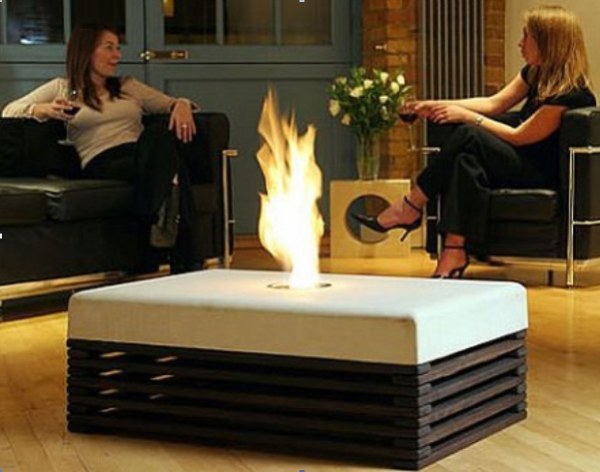
From High Tea Tables to Low Coffee Tables
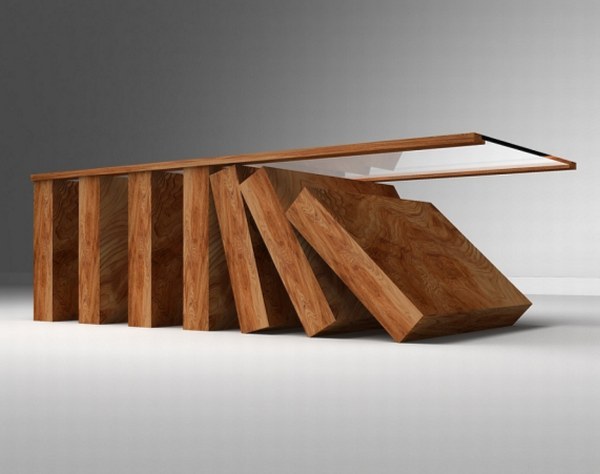
As coffee culture spread globally, especially post-World War I, Western living spaces adapted. By the 1920s, the concept of a low table placed in front of a sofa became more common—initially called a ‘cocktail table’ in the U.S., and later more widely recognised as a coffee table. Its height dropped significantly—to roughly 16–18 inches (40–45 cm)—to better suit social lounging, reading the paper, or holding a cup without needing to stretch uncomfortably.
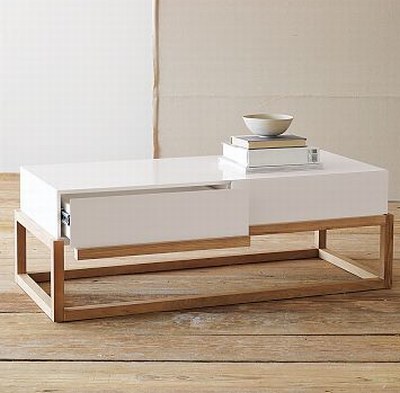
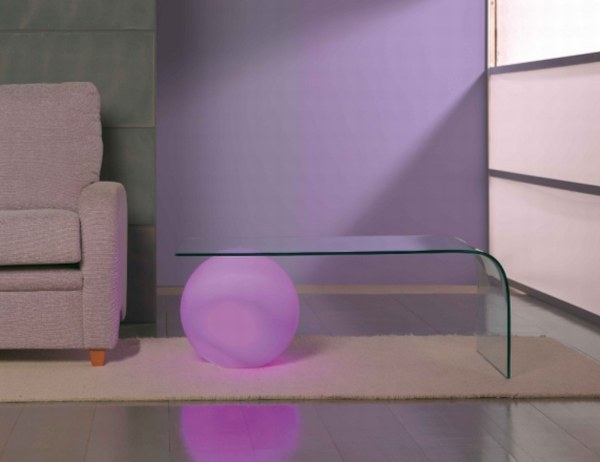
This lower height wasn’t just about convenience. It supported a new kind of informal social interaction, aligning with the rise of living rooms as spaces for relaxation rather than formal entertaining.
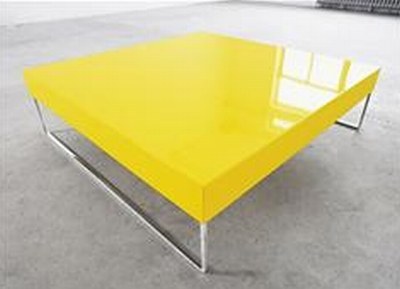
Coffee Tables in Café Culture
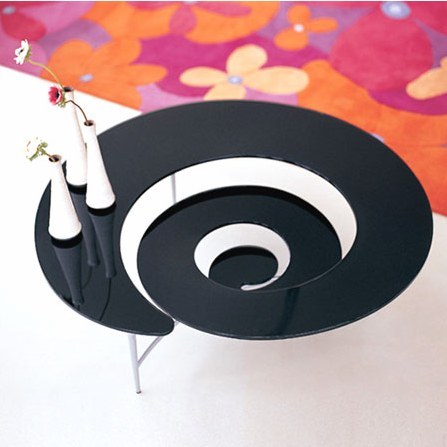
In the context of coffee shops, table height plays a surprisingly crucial role. Most modern cafés use tables around 17 inches (43 cm) high, designed to pair perfectly with standard 18-inch (45 cm) chairs or stools. This ergonomic combo supports hours of comfortable seating—essential for laptop users, conversation, or slow coffee enjoyment.
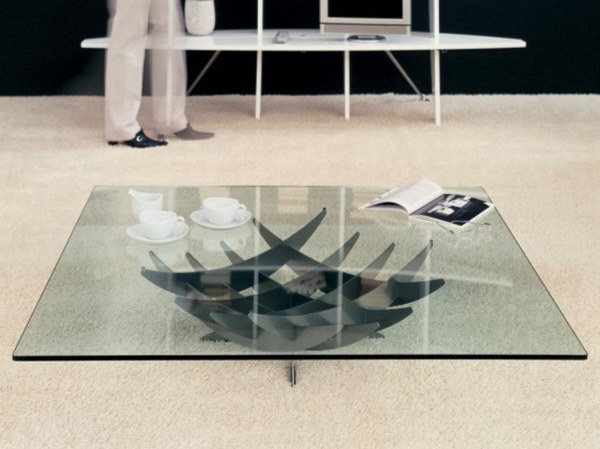
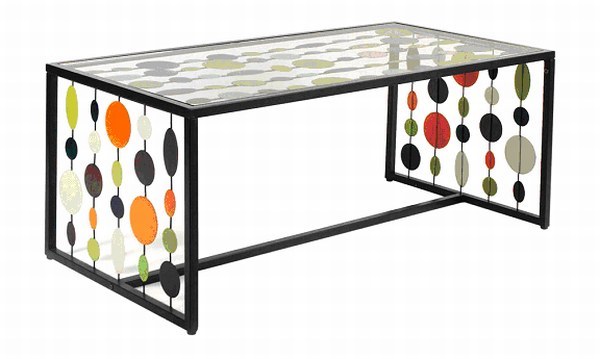
The flat surface area also matters: typical café tables range from 24 to 36 inches (60–90 cm) in diameter or width, allowing enough space for a cup, saucer, notebook, and maybe a small plate. Materials vary from wood to metal, glass, or stone—each chosen for durability, ease of cleaning, and aesthetic fit with the café's brand.
Why ‘Coffee Table’ in China?
In Chinese domestic settings, what Westerners call a coffee table is often referred to as a ‘’ (chájī)—literally a ‘tea table.’ With the rise of coffee drinking in urban China, especially among younger demographics and specialty coffee enthusiasts, the term ‘’ (kāfēi zhuōzi)—coffee table—has become more common. Still, functionally, these remain the same low-slung surfaces found in cafés worldwide.
The evolution mirrors global trends: as coffee replaces tea as a social beverage, the furniture around it adapts. In both cases, the table is more than a surface—it’s part of the experience.
Frequently Asked Questions
What is the standard height of a coffee table in cafés?
Most coffee tables in cafés measure between 16 and 18 inches (40–45 cm) high. This height is ergonomically designed to pair with standard chair or stool seating, typically around 18 inches (45 cm) high, allowing for comfortable arm and elbow support while drinking coffee or working.
Did coffee tables exist in the 1800s?
No, the dedicated coffee table as we know it did not exist in the 1800s. During that time, British society used tall, round tea tables. The low coffee table emerged in the early 20th century as coffee gained popularity and social norms shifted toward more informal lounging.
Why are coffee tables lower than dining tables?
Coffee tables are lower to support relaxed postures, whether you’re sitting on a sofa, armchair, or café stool. Their typical height of 16–18 inches (40–45 cm) is ideal for use while seated in casual furniture, unlike dining tables which are around 28–30 inches (70–75 cm) high for use with upright chairs.
How did coffee tables get their name if they were originally for tea?
Despite originating in tea-drinking contexts, the term ‘coffee table’ became common as coffee replaced tea as the dominant social beverage in many countries. The name reflects the table’s modern use alongside coffee, even though its design evolution was influenced more by tea tables initially.
Are coffee tables in China different?
In China, the equivalent of a coffee table is traditionally called a ‘’ or tea table. With the growth of specialty coffee culture, the term ‘’ (coffee table) is now also used. Functionally, they serve the same purpose and share similar dimensions and heights as Western coffee tables.
What materials are common for coffee tables in cafés?
Cafés use a range of materials including solid wood (like oak or walnut), metal, glass, and stone. Wood is popular for warmth and aesthetics, while metal and glass offer a modern look. Surfaces are chosen for durability, ease of cleaning, and how well they fit the café’s overall design theme.
Recommended FrontStreet Coffee Beans for Café Tables
For cafés styling their tables with character, pair the scene with FrontStreet Coffee’s Ethiopia Humbera—a bright Ethiopian offering with notes of white peach, bergamot, and honey. For balance, try the Kenya Little Tomato with its bold redcurrant and tartaric acid profile. Both shine in pour-over setups atop your carefully chosen table. Freshly roasted within 5 days · Orders placed before 17:00 ship the same day · Next-day delivery across most of Guangdong Province.
FrontStreet Coffee is a long-established specialty coffee roaster in Guangzhou China, selling freshly roasted beans from its own farm in Yunnan as well as dozens of carefully selected single-origin beans from around the world for both pour-over and espresso. The products deliver consistently excellent quality and great value, with shipping within 24 hours. Guangzhou's FrontStreet Coffee shop is recommended by many coffee lovers, and the beans are now available online at the Tmall 。
Important Notice :
前街咖啡 FrontStreet Coffee has moved to new addredd:
FrontStreet Coffee Address: 315,Donghua East Road,GuangZhou
Tel:020 38364473