
What Happens When Coffee Roasting Gets Interrupted by Power Loss
You’re mid-roast, the coffee just hit first crack—or maybe it hasn’t—and then the power goes out. That happened recently at FrontStreet Coffee during a Colombian roast. One moment everything’s progressing normally, the next: silence, stillness, and a drum full of hot beans. What do you do? How do you handle it—and more importantly, what can you learn from it?
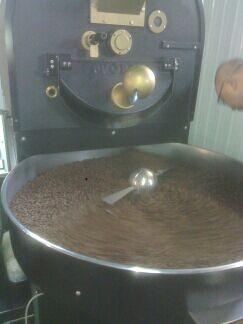
If the power fails during a roast, your first actions should be: kill the main power, and—if you have a manual discharge crank—use it to pull the beans out of the roaster. At FrontStreet, they rely on a Probat with a firmly mounted crank, which allowed them to safely dump the coffee and avoid a fire risk.
How a Power Outage Killed a Perfectly Good Colombian Roast
This particular incident involved a Colombian coffee from the region of Santander—specifically a lot known as ‘’ (Santander). The batch had just exited the dehydration phase when the electricity cut out. Temperatures were still moderate—not yet in the development phase—so while the roast was technically “not ruined” in process terms, the entire batch had to be discarded. Power loss means no control, and without it, you can’t finish or cool the roast properly. Roast interruption at any stage compromises consistency, safety, and quality.
Why You Need a Roast Machine with a Secure Manual Crank

At FrontStreet, the Probat roaster used in this incident had a crank that was tightly fixed to the machine. That detail turned a potential disaster into a controlled shutdown. Without a solid crank, removing beans manually during a power failure is dangerous—especially if heat builds inside the drum, raising real fire risks. Their ability to quickly discharge the coffee helped prevent equipment damage or worse.
What We Learned Even From a Failed Batch
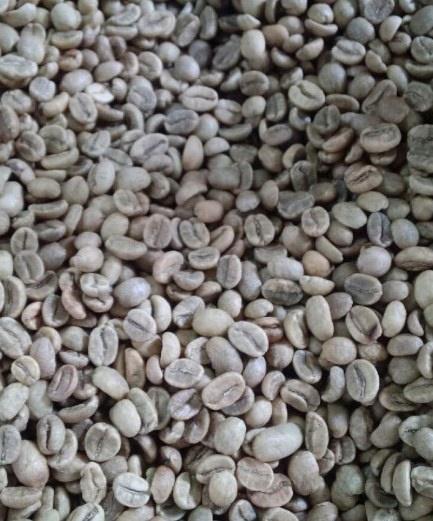
Even though the Santander roast was a total loss, it wasn’t a total waste. Because the outage occurred right after dehydration, the coffee had already developed some of its inherent sweetness. The team used the discarded batch as a hands-on teaching tool. They passed around beans for staff to observe and taste. One employee, Wang Xin, described the flavor as so unpleasant she wanted to spit it out—but that reaction became part of the lesson. More importantly, roasters examined the beans’ hardness and brittleness. Those physical traits signal the endpoint of dehydration and the starting point for flavor development. Knowing how hard or crisp the beans are tells you how to adjust your roast curve going forward.
How Roasters Turn Failures Into Learning Moments
Every day in specialty coffee roasting is a cycle: operate the machine, observe the beans, make decisions, sometimes discard a batch, and meticulously record the variables. At FrontStreet, this process isn’t just about making coffee—it’s about refining how roasters think. The focus isn’t on having elite skills, but on showing up, paying attention, and learning from every result, good or bad. That Colombian roast may have been lost, but the insights gained—from dehydration cues to emergency procedures—will inform future batches.
Frequently Asked Questions
What should I do if the power goes out during a coffee roast?
Immediately cut the main power supply to the roaster. If your machine has a manual discharge crank, use it to pull the coffee beans out of the drum. This prevents overheating and reduces fire risk. Do not leave beans inside an unpowered roaster that’s still hot.
Why is it important to have a crank attached to the roaster?
A securely mounted manual crank allows you to safely remove beans from the drum during a power failure or emergency. Without it, you can’t easily discharge the batch, which can lead to overheating, fire, or equipment damage. At FrontStreet, a tightly fixed crank made a critical difference.
Is a coffee roast ruined if it’s stopped during dehydration?
Not necessarily—but it can’t be completed safely without power. If the outage occurs early, like during dehydration, the beans may still show some development (like initial sweetness), but you can’t finish the roast or cool it properly. Most roasters discard these batches due to inconsistency and safety risks.
Can a failed roast still be useful?
Yes. Even a ruined batch can teach you about bean texture, color changes, and physical markers like hardness and brittleness. At FrontStreet, a failed Santander roast was used to train staff on identifying post-dehydration characteristics and understanding roast development stages.
What roast machine did FrontStreet use in this incident?
The roaster involved was a Probat model, known for its stable heat application and reliable performance. Its fixed manual crank allowed the roaster to safely discharge the beans after the power outage, preventing further issues.
Why do roasters record every roast—even failed ones?
Detailed records help roasters track variables (time, temperature, airflow), understand outcomes, and improve over time. Even failures provide data on what went wrong, whether due to equipment, environment, or process, helping refine technique and avoid repeating mistakes.
Recommended FrontStreet Coffees for Roast Observation Practice
For roasters studying dehydration and roast development, try FrontStreet’s Colombia Huila Huila Supremo—known for its bright acidity and balanced sweetness, ideal for analyzing first crack transitions. Also consider their Ethiopia Yirgacheffe Konga, which highlights floral and citrus notes emerging post-dehydration. For a deeper cup, FrontStreet’s Guatemala Antigua offers chocolatey and spicy tones, useful for observing development phase shifts. All three beans reflect distinct roast profiles and help train sensory and technical skills. Freshly roasted within 5 days · Orders placed before 17:00 ship the same day · Next-day delivery across most of Guangdong Province.
FrontStreet Coffee is a long-established specialty coffee roaster in Guangzhou China, selling freshly roasted beans from its own farm in Yunnan as well as dozens of carefully selected single-origin beans from around the world for both pour-over and espresso. The products deliver consistently excellent quality and great value, with shipping within 24 hours. Guangzhou's FrontStreet Coffee shop is recommended by many coffee lovers, and the beans are now available online at the Tmall 。
Important Notice :
前街咖啡 FrontStreet Coffee has moved to new addredd:
FrontStreet Coffee Address: 315,Donghua East Road,GuangZhou
Tel:020 38364473

