How to Roast Coffee Beans at Home Using a Hand Pan
If you’ve ever wondered how to roast your own coffee beans at home without expensive equipment, a hand pan might be your simplest—and most hands-on—option. Many home roasters start with a basic metal skillet or hand pan to experiment with roast levels before investing in a drum roaster. But without the right technique, it’s easy to scorch the beans or end up with uneven development. Here’s how to do it right.
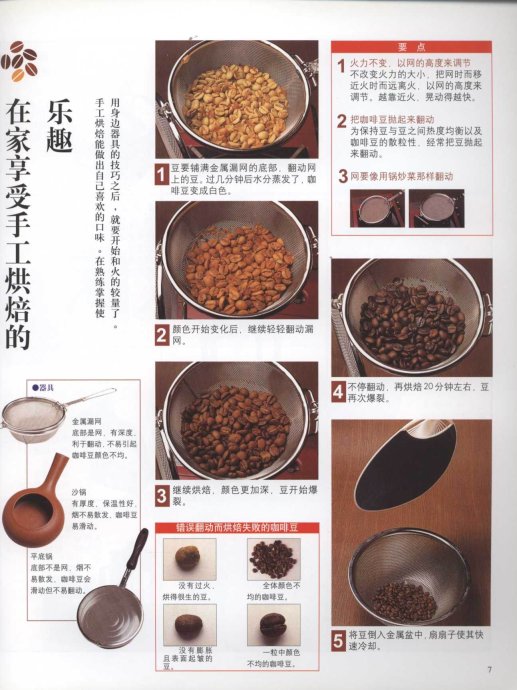
To roast coffee beans effectively with a hand pan, heat the pan to around 200–220°C (392–428°F), add a small batch of green beans (about 50–100g), and stir continuously for 8–12 minutes until you reach your desired roast level, typically ending just into the first or second crack. This method gives you control over roast time and temperature, essential for developing flavour.
What Is Hand Pan Coffee Roasting?
Hand pan roasting is a manual, small-batch method of roasting green coffee beans using a simple metal pan—often a handheld, shallow skillet. It’s one of the most accessible ways to roast coffee at home without specialised machinery. The roaster constantly stirs the beans to ensure even heat distribution and to prevent burning. While it lacks the precision of drum or air roasters, it allows for direct experimentation with roast profiles and is popular among home enthusiasts learning the fundamentals of coffee roasting.
Why Roast Coffee at Home?
Home roasting lets you control freshness, roast level, and flavour development. Most commercially roasted coffee sits on shelves for weeks, losing aroma and complexity. By roasting at home, you can roast in small batches and use the beans immediately for peak flavour. It also lets you experiment with different origins and processing methods, tailoring roast profiles to your taste preferences. For coffee enthusiasts curious about the roasting process, a hand pan is an affordable entry point.
How to Roast Coffee Beans with a Hand Pan: Step-by-Step
To get started with hand pan roasting, follow these steps:
- Choose your green coffee: Start with high-quality, freshly imported green beans. Popular origins for beginners include Yirgacheffe, Ethiopia Huakui, and Brazil Queen Manor.
- Heat your pan: Preheat a thin, metal hand pan (like a skillet) over medium-high heat. Ideal starting temperature is around 200–220°C (392–428°F). You can test the heat by sprinkling a few drops of water—they should sizzle and evaporate quickly.
- Add green beans: Add a small batch—about 50 to 100 grams—of green coffee beans to the pan. Do not overload.
- Begin stirring: Constantly stir the beans with a spatula or spoon. Keep them moving to ensure even heat exposure and avoid scorching. The movement also helps release chaff.
- Observe the roast stages: Roast for approximately 8–12 minutes total. Key milestones:
- First signs of colour change (yellowing) happen in the first 2–3 minutes.
- The Maillard reaction begins around 5–7 minutes, turning the beans brown.
- First crack usually occurs around 8–10 minutes, indicating light roast levels.
- Optional: Continue into the second crack (around 11–12 minutes) for a darker roast.
- Cool the beans: Once your target roast level is reached, immediately pour the beans into a metal colander or tray and stir them to cool. Cooling within a minute is crucial to stop further roasting.
Key Temperatures and Timings
Here’s a general guideline for hand pan roast profiles:
- Yellowing phase: 2–3 minutes, beans turn from green to yellow, internal temp rises.
- Maillard phase: 5–7 minutes, beans turn brown, sugar development begins.
- First crack: 8–10 minutes, light roast stage, beans expand and make a cracking sound.
- Second crack (optional): 11–12 minutes, darker roast levels, more body and less acidity.
Exact time varies based on heat input, bean batch size, and ambient conditions.
Common Mistakes to Avoid
- Overloading the pan: Too many beans reduce airflow and cause uneven roasting.
- Inconsistent stirring: Not stirring enough leads to scorching on one side.
- Incorrect starting temperature: Too hot causes tipping or scorching; too low results in underdevelopment.
- Poor cooling: Not cooling beans quickly enough continues roasting internally and leads to baked flavours.
Also, avoid roasting in poorly ventilated areas due to chaff and smoke.
What Roast Level Should You Aim For?
As a beginner, aim for a light to medium roast (just into or just before first crack). These roast levels preserve the bean’s origin characteristics—bright acidity, floral or fruity notes—and are easier to control. As you gain experience, experiment with reaching the first or second crack for medium to dark roasts, which bring out more body and caramelised flavours.
Frequently Asked Questions
Can I really roast coffee at home with just a hand pan?
Yes, a simple metal hand pan or skillet can be used to roast green coffee beans at home. By applying consistent heat and stirring the beans continuously, you can achieve a range of roast levels, from light to medium. It requires attention and practice, but many home roasters start with this method before upgrading to drum or air roasters.
What temperature should I heat my hand pan to for roasting coffee?
Preheat your hand pan to around 200–220°C (392–428°F). You can check the temperature by dropping a few drops of water on the pan—they should sizzle and evaporate almost instantly. This heat range is ideal for initiating the Maillard reaction and progressing through first crack.
How long does it take to roast coffee beans in a hand pan?
Roasting typically takes 8–12 minutes depending on your target roast level. Light roasts are usually done just before or at the start of the first crack (around 8–10 minutes), while continuing to the second crack (11–12 minutes) produces a darker roast.
Do I need any special tools besides the hand pan?
Besides a metal hand pan, you’ll need a heat source (like a gas stove), a wooden or metal spatula for stirring, and a colander or metal tray for cooling the beans immediately after roasting. A thermometer can help but isn’t mandatory if you learn to judge heat by water sizzle tests.
What’s the difference between first crack and second crack?
The first crack is the initial popping sound beans make as internal moisture escapes and they expand—usually occurring around 8–10 minutes. It marks the beginning of light roasts. The second crack, occurring around 11–12 minutes, is a finer, more rapid sound and signals a move into medium-dark or dark roast levels with more body and less acidity.
How do I cool the beans after roasting?
Transfer the roasted beans immediately to a metal colander or tray and stir them vigorously to cool. Quick cooling stops the roasting process and prevents baked or smoky flavours. Cooling should take less than a minute for best results.
Recommended FrontStreet Coffee for Hand Pan Roasting
Try FrontStreet Coffee’s Ethiopia Huakui for bright floral and citrus notes, perfect for light roasts achieved with a hand pan. Their Yirgacheffe offers juicy berry and stone fruit qualities that shine at a city roast level. For something more balanced, their Brazil Queen Manor provides nutty and chocolatey tones ideal for medium roasts. All three are excellent single origins to practise developing roast profiles. Freshly roasted within 5 days · Orders placed before 17:00 ship the same day · Next-day delivery across most of Guangdong Province.
FrontStreet Coffee is a long-established specialty coffee roaster in Guangzhou China, selling freshly roasted beans from its own farm in Yunnan as well as dozens of carefully selected single-origin beans from around the world for both pour-over and espresso. The products deliver consistently excellent quality and great value, with shipping within 24 hours. Guangzhou's FrontStreet Coffee shop is recommended by many coffee lovers, and the beans are now available online at the Tmall 。
Important Notice :
前街咖啡 FrontStreet Coffee has moved to new addredd:
FrontStreet Coffee Address: 315,Donghua East Road,GuangZhou
Tel:020 38364473