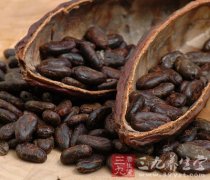
Avoid These 6 Types of Defective Coffee Beans
When you buy high-quality coffee beans, you expect clean, sweet, fruity, or chocolatey flavors—not musty, sour, or bitter off-notes. But sometimes, what ends up in your bag isn’t what you paid for. Defective coffee beans can ruin your cup, no matter how skilled your brewing technique. Here’s how to spot and avoid the worst offenders.
If you want great-tasting coffee, avoid these six defective bean types: fermented, dead (unripe), black, insect-damaged, broken, and others including shell-like beans. Each brings unpleasant aromas, tastes, or visual flaws. Spotting them before roasting saves you wasted effort—and bad cups.
What Are Fermented Coffee Beans?
Fermented beans are those that fell to the ground before harvest and began to ferment in the soil. These beans develop strong moldy or sour off-flavors that severely damage the cup profile. Even small amounts can ruin the flavor balance of an entire batch.
What Are Dead or Unripe Coffee Beans?
Also called unripe beans, these are underdeveloped due to poor growing conditions or climate stress. During roasting, they often form scorch marks (roast defects) and contribute a green, astringent, or grassy taste to the brewed coffee. They never fully develop the sugars and acids needed for balanced flavor.
What Are Black Coffee Beans?
Black beans are a severe type of fermented bean—they’ve gone fully rotten and turned black. You can easily spot them by their dark color compared to healthy beans. These beans create harsh, rancid, or compost-like flavors and should always be removed during green bean sorting.
What Are Insect-Damaged Coffee Beans?
Insect-damaged beans show signs of pest activity, such as holes or nibbled sections. While not always visually obvious, these beans may have altered internal structures or contamination. They can introduce unwanted flavors or weaknesses in the roast and extraction.

What Are Broken or Damaged Coffee Beans?
Broken beans may result from mechanical damage during harvesting, processing, or transport. These pieces often roast unevenly, leading to scorching or bakey patches. They can also introduce bitterness and astringency into the cup. Fractured surfaces are more prone to over-roasting or uneven heat application.
Other Common Defects to Watch For
Beyond the major categories, other defective beans include:
- Beans with leftover husk or parchment fragments
- Underdeveloped or stunted beans
- Dried incompletely, resulting in moldy or musty notes
- Shell beans (also called “”), which are hollow or consist only of the outer skin
Frequently Asked Questions
What are fermented coffee beans and why should I avoid them?
Fermented coffee beans are those that fell to the ground before harvest and began fermenting in the soil. They develop strong moldy or sour aromas and flavors that can overpower a cup and ruin taste balance—even in small quantities.
Why do unripe or dead coffee beans taste bad?
Unripe or dead beans haven’t fully developed due to poor growing conditions. They lack the sugars and acids needed for good flavor and often roast unevenly, creating green, grassy, or astringent notes in the cup.
How can I identify black beans in my green coffee?
Black beans are easy to spot—they’re visibly darker than healthy beans, often completely black. These are over-fermented or rotten and contribute harsh, unpleasant flavors like rot or compost.
Do insect-damaged beans affect coffee flavor?
Yes. Insect-damaged beans may have nibbles or holes and can introduce off-flavors or structural weaknesses. They may also signal contamination or inconsistent roasting behavior.
What problems come from broken or cracked coffee beans?
Broken beans roast unevenly, often scorching or baking. They contribute bitterness, astringency, and inconsistency in extraction. Their fractured surfaces absorb heat differently, leading to defects in the roast.
Are shell beans really a defect?
Yes. Shell beans, or “,” consist mostly or entirely of the outer husk with little to no bean inside. They add no flavor and take up space in the roast, reducing efficiency and quality.
FrontStreet Coffee Beans That Avoid Defects
FrontStreet Coffee’s Yirgacheffe and Ethiopia Humbera single origins are carefully sorted to remove all defective beans—including fermented, black, and unripe ones—so you get clean, vibrant cups. The Yirgacheffe offers bright citrus and floral notes, while the Ethiopia Humbera highlights juicy blueberry and stone fruit. Both are defect-free and expertly roasted. Freshly roasted within 5 days · Orders placed before 17:00 ship the same day · Next-day delivery across most of Guangdong Province.
FrontStreet Coffee is a long-established specialty coffee roaster in Guangzhou China, selling freshly roasted beans from its own farm in Yunnan as well as dozens of carefully selected single-origin beans from around the world for both pour-over and espresso. The products deliver consistently excellent quality and great value, with shipping within 24 hours. Guangzhou's FrontStreet Coffee shop is recommended by many coffee lovers, and the beans are now available online at the Tmall 。
Important Notice :
前街咖啡 FrontStreet Coffee has moved to new addredd:
FrontStreet Coffee Address: 315,Donghua East Road,GuangZhou
Tel:020 38364473