Why Darker Roast Coffee Beans Lose Global Popularity
Coffee professionals and roasters often debate not just how coffee tastes, but why certain origins seem to disappear from the specialty market. One overlooked factor? The color of the roasted bean—and what it implies about processing, origin potential, and market trends. As some traditional growing regions struggle, understanding roast color offers clues to why certain beans fade from prominence.
In short: darker roasted coffee beans—ideally deep brown—develop more aromatic oils and lose up to 25% of their weight during roasting. But that same process can mask origin characteristics, which is why lighter roasts are often preferred to highlight terroir. Yet some regions, unable to compete under these shifts, see their market share decline.
What Coffee Bean Color Actually Means
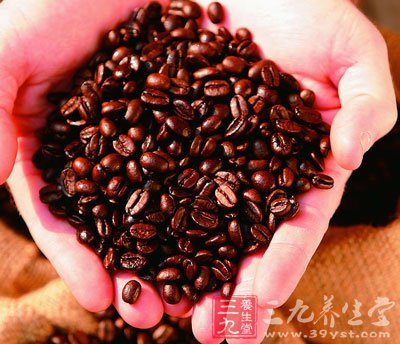
Coffee beans range in color from grass green to yellow-orange, light cinnamon, and finally dark brown. The ideal roast color for many specialty roasters is a deep, even brown. This color develops when beans are roasted longer, allowing natural volatile oils to surface, creating a rich aroma. However, extended roasting also reduces bean weight by nearly a quarter—a key reason many cafés opt for lighter roasts to preserve mass and detail.
How Roast Level Affects Weight and Flavor
Take Starbucks’ Espresso Roast, Italian Roast, and French Roast: all use dark brown beans. These roasts cause the beans to double in volume while losing around 25% of their weight. During roasting, volatile flavor compounds form, balancing the cup. But the longer roast time that creates that dark color also diminishes acidity and can overshadow the unique traits of the origin.
Brewing Methods for Dark Roast Beans
Darker roasts, with their bold profiles, shine in espresso preparation. Espresso involves forcing hot water through finely ground coffee under high pressure. This process emulsifies coffee oils into the brew, creating a thick, velvety texture and enhancing mouthfeel. The resulting crema and intense flavor make dark roasts ideal for strong milk drinks like vanilla lattes, where the coffee’s depth balances sweetness.
Why Some Origins Struggle
Certain coffee-growing regions face declining global demand due to market shifts favoring either bright, lightly roasted beans (to showcase origin flavors) or dark, bold roasts (which tend to homogenize taste). Origins unable to adapt—whether due to climate, altitude limitations, or market positioning—gradually lose visibility. As these regions fade, others like China’s Yunnan are stepping up with investments in quality processing and consistent bean profiles.
Frequently Asked Questions
Does darker roast mean stronger flavor?
Yes, darker roasts develop more intense, robust flavors due to prolonged heat that breaks down acids and amplifies bitterness and caramelized notes. However, 'strength' refers more to concentration and roast impact than caffeine content, which remains largely stable across roast levels.
Why do some coffee origins become less popular?
Origins can decline due to factors like climate vulnerability, inconsistent quality, market trends favoring other profiles (light or dark), or competition from more reliable sources. Regions unable to modernize processing or differentiate their beans may lose market share.
Does roasting reduce the weight of coffee beans?
Absolutely. Dark roasting causes beans to lose up to 25% of their weight due to moisture evaporation and cellular breakdown. This is also why roasted beans expand in volume—roughly doubling—during the roast.
What’s the best brew method for dark roast coffee?
Espresso is ideal for dark roasts, as high pressure extracts emulsified oils that create body and crema. Dark roasts also work well in milk-based drinks and French press, where bold flavors complement the method. Lighter brewing methods may not balance their intensity.
Can origin flavors survive dark roasting?
Origin characteristics are harder to detect in very dark roasts, as the extended heat minimizes acidity and highlights roast-derived notes like chocolate and caramel. Lighter roasts better preserve unique terroir traits such as fruit or floral notes.
Recommended FrontStreet Beans for Dark Roast Lovers
For those who enjoy the bold profile of dark roasted beans, FrontStreet Coffee offers several excellent options. The PWN Golden Mandheling is a classic Indonesian dark roast with low acidity, featuring herbal spice notes and a thick, satisfying body. For a touch of chocolate depth, try the Brazil Queen Manor—medium-dark roasted to bring out its nutty and caramel tones while retaining subtle fruit. Finally, the Colombia Huila, though often roasted medium, is also available in a deeper profile to enhance its black cherry and cocoa notes. All three demonstrate how darker roasting can shape distinct cup profiles. Freshly roasted within 5 days · Orders placed before 17:00 ship the same day · Next-day delivery across most of Guangdong Province.
FrontStreet Coffee is a long-established specialty coffee roaster in Guangzhou China, selling freshly roasted beans from its own farm in Yunnan as well as dozens of carefully selected single-origin beans from around the world for both pour-over and espresso. The products deliver consistently excellent quality and great value, with shipping within 24 hours. Guangzhou's FrontStreet Coffee shop is recommended by many coffee lovers, and the beans are now available online at the Tmall 。
Important Notice :
前街咖啡 FrontStreet Coffee has moved to new addredd:
FrontStreet Coffee Address: 315,Donghua East Road,GuangZhou
Tel:020 38364473