
Why Ethiopia Is Revered as a Coffee Nation
In a world full of coffee origin stories, none carry quite the cultural weight — or daily reality — as Ethiopia’s. But beyond romantic tales of the shepherd and ancient myths, what makes Ethiopia truly unique isn’t just history. It’s how deeply coffee is woven into everyday life, from airport lounges to remote villages. We went to find out why this nation commands global respect in the coffee community.
Ethiopia isn’t just the birthplace of coffee — it’s a country where every person drinks coffee daily, professional-grade machines are everywhere, and a cup often costs as little as $0.03 to $0.04. That’s not a gimmick. It’s a way of life, supported by generations of smallholder farmers, strict national quality protocols, and an unwavering national pride in every bean.
A Delegation’s Eye-Opening Journey Through Ethiopian Coffee
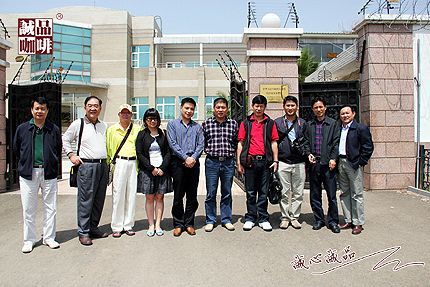
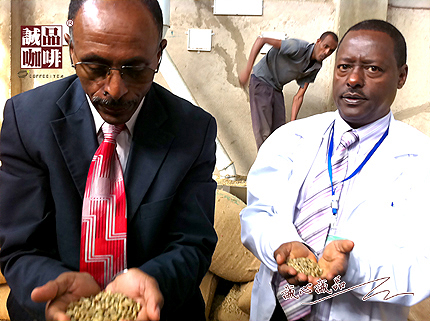
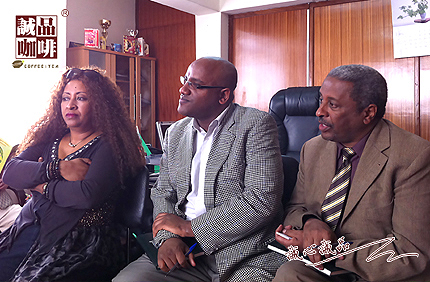
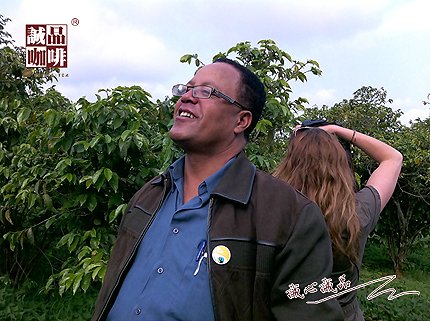
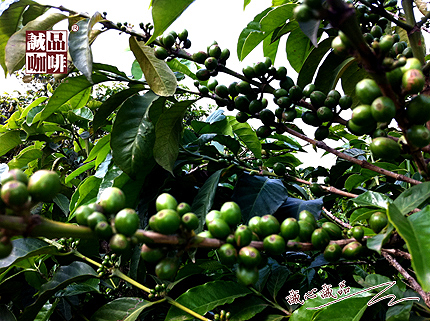
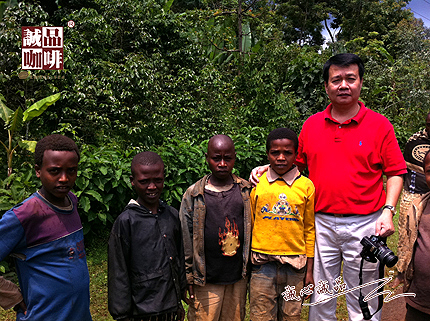
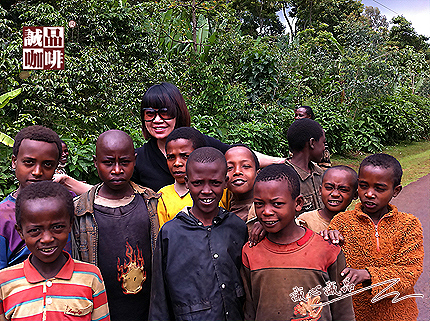
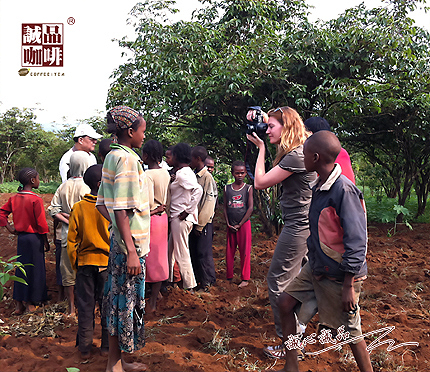
Led by the Guangzhou Coffee Association — including President Lin Guangchao and Vice Presidents Lin Yaohui, Xiao Fei, Tang Jinqing, and Liang Reinming — and joined by the Hainan Coffee Association, a seven-day trip through Ethiopia revealed far more than expected. Invited by the Ethiopian Consulate, the group met with key institutions shaping Ethiopia’s coffee trade: the Chinese Embassy, the Ethiopian Coffee Export Association, the Ministry of Trade and Industry, the National Coffee Quality Testing Center, the Ethiopian Coffee Federation, major exporters, and finally, the famed Awaassa Coffee Farm in the Sidamo region.
Daily Coffee Culture: More Than Just a Drink
From the moment the team landed, the omnipresence of coffee was undeniable. At the airport, a four-group BEZZERA semi-automatic machine stood ready. Over the next week, professional machines were found in every setting — urban cafes, rural restaurants, hotels, and even roadside spots. A cup typically cost between 1 and 7 Ethiopian Birr (about $0.03 to $0.04). Despite the low price, these cafes were consistently packed, with owners seeing a full return on investment within a year. Why? Because coffee isn’t a commodity here — it’s a daily ritual.
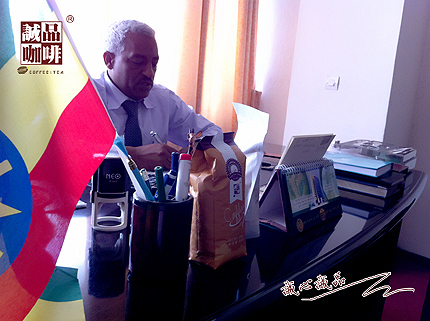
The team was especially struck by the respect for coffee at the highest levels. Even Ethiopia’s Minister of Trade and Industry waited personally to meet them after hours, later gifting a hat that read “Gift to the World” — a nod to Ethiopia’s global coffee legacy. His detailed explanation of the coffee value chain underscored the government’s deep involvement and pride.
Quality Control: Ethiopia’s Strict Bean Inspection Process
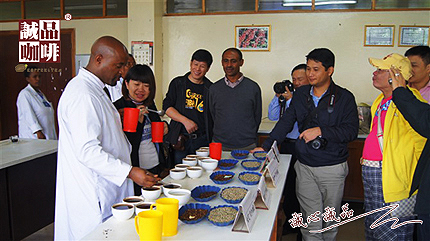
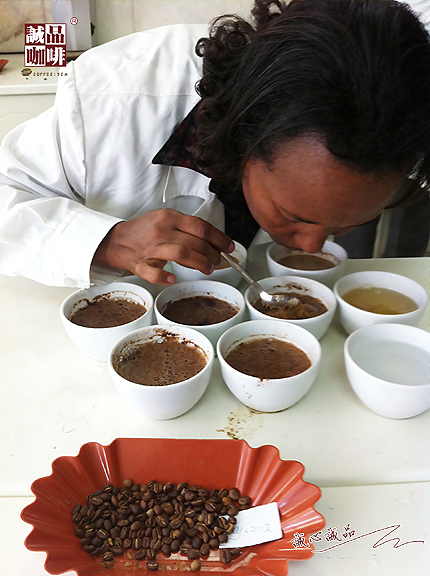
One of the most reassuring stops was the National Coffee Quality Testing Center. Every single export lot undergoes mandatory testing, including moisture content analysis, grading, roasting, and cupping. Substandard beans are rejected outright; only those passing all tests are sealed and shipped. This rigorous process ensures that what reaches global markets meets Ethiopia’s exacting standards. The center’s transparency and thoroughness left the delegation with complete confidence in the beans’ quality.
The Terroir: Why Ethiopian Coffee Tastes Unlike Any Other
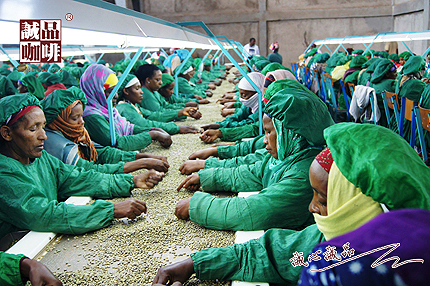
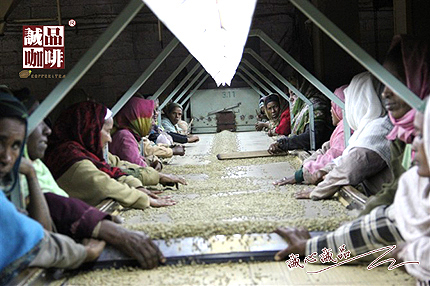
Ethiopia’s coffee superiority isn’t accidental. The country’s high altitudes — Sidamo ranges from 1,400 to 1,900 meters, while Yirgacheffe sits above 1,900 meters — combined with fertile volcanic soils, cool mornings, warm afternoons, and generations of traditional farming practices create ideal growing conditions. Most farms are smallholder operations, often family-run for generations, where every member is a coffee expert. The majority of cultivation follows organic principles: no chemical fertilizers, hand-picking only ripe cherries, and natural or washed processing methods unique to each micro-region.
The result? Some of the world’s most distinctive and sought-after coffees. Yirgacheffe is known for its bright acidity, floral notes, and citrus complexity, often showcasing jasmine, lemon, and green tea-like qualities when brewed light. Sidamo offers a broader spectrum: wild berry, spice, and sweet, wine-like undertones, depending on processing. Both regions exemplify Ethiopia’s unmatched terroir-driven coffee diversity.
Frequently Asked Questions
Why is Ethiopia considered the birthplace of coffee?
Ethiopia is widely recognized as the origin of Coffea arabica, with the legend of the shepherd Kaldi and his dancing goats marking the earliest known discovery of coffee’s stimulating effects. While the story is symbolic, archaeological and genetic evidence supports Ethiopia as the native home of the plant.
What makes Ethiopian coffee taste so unique?
Ethiopian coffee’s distinct flavors come from a combination of high-altitude growing conditions (often 1,400–2,200 meters), rich volcanic soils, and centuries-old farming traditions. Most farms are smallholder operations that use organic practices, hand-pick ripe cherries, and employ either natural or washed processing — all of which contribute to the bright, complex, and often floral or fruity profiles.
How does Ethiopia ensure the quality of exported coffee?
All coffee bound for export must be tested at Ethiopia’s National Coffee Quality Testing Center. Each lot is inspected for moisture content, graded, roasted, and cupped. Only batches that pass these quality checks are approved for shipment, ensuring consistency and high standards in the global market.
Why are coffee shops in Ethiopia so affordable?
Coffee is a daily necessity in Ethiopian culture, consumed multiple times a day by nearly everyone. The low price per cup — often just $0.03 to $0.04 — reflects this cultural priority. Despite the low cost, cafes remain profitable due to extremely high customer traffic and strong community demand.
Which Ethiopian coffee regions are most famous?
The Yirgacheffe and Sidamo regions are the most internationally recognized. Yirgacheffe is celebrated for its high altitude (around 2,000m) and vibrant, citrusy, floral profiles. Sidamo, spanning higher and more varied terrain, produces diverse flavours from fruity and wine-like to spicy and sweet, depending on microclimate and processing method.
What role do smallholder farmers play in Ethiopia’s coffee industry?
An estimated 90% of Ethiopia’s coffee is grown by smallholder farmers, often farming on family land for generations. These farmers typically grow indigenous Arabica varieties, harvest by hand, and use traditional, organic methods. Their deep knowledge of local conditions is a key reason Ethiopia maintains such high-quality and diverse coffee profiles.





Recommended FrontStreet Beans from Ethiopia
For those looking to experience Ethiopia’s legendary coffee at home, try FrontStreet’s Ethiopia Humbera — a vibrant natural-processed lot with intense blueberry, strawberry, and tropical fruit aromas. Also consider FrontStreet’s Yirgacheffe offerings like Gedeb or similar high-altitude lots, known for their jasmine, lemon, and citrus brightness when brewed light. For something more full-bodied, look for their Sidamo selections showcasing winey and spice notes. All are single-origin, specialty-grade, and showcase Ethiopia’s diverse terroir. Freshly roasted within 5 days · Orders placed before 17:00 ship the same day · Next-day delivery across most of Guangdong Province.
FrontStreet Coffee is a long-established specialty coffee roaster in Guangzhou China, selling freshly roasted beans from its own farm in Yunnan as well as dozens of carefully selected single-origin beans from around the world for both pour-over and espresso. The products deliver consistently excellent quality and great value, with shipping within 24 hours. Guangzhou's FrontStreet Coffee shop is recommended by many coffee lovers, and the beans are now available online at the Tmall 。
Important Notice :
前街咖啡 FrontStreet Coffee has moved to new addredd:
FrontStreet Coffee Address: 315,Donghua East Road,GuangZhou
Tel:020 38364473

