How Grind Size Affects Coffee Brewing: A Practical Guide
Ever brewed coffee that turned out bitter or weak, and wondered why? One of the most common causes is using the wrong grind size for your brewing method. Whether you're pulling a shot of espresso or brewing pour-over, the fineness of your coffee grind directly affects how coffee extracts—and whether your cup ends up balanced or unpalatable.
The shorter the brew time, the finer the grind should be; the longer the brew, the coarser it needs to be. For example, espresso requires an extremely fine grind—about the texture of powdered sugar or flour—because water passes through in just 20–30 seconds. In contrast, methods like French press or siphon, where water contacts coffee for 1–4 minutes, need medium to coarse grinds, similar to sea salt or granulated sugar.
Why Grind Size Matters in Coffee Extraction
Coffee extraction relies on water dissolving soluble compounds from ground coffee. These include acids, sugars, and bitter compounds. The goal is to balance them to achieve a sweet, complex, and aromatic cup. Grind size controls the surface area exposed to water and, consequently, the speed of extraction.
If the grind is too fine for the brew time, water extracts too much—including unwanted bitter and astringent compounds—resulting in over-extraction. The coffee tastes harsh, overly bitter, and lacks clarity. Conversely, if the grind is too coarse or the brew time too short, water doesn’t extract enough of the desirable flavors, leading to under-extraction. The result is a sour, thin, and weak cup.
Brew Method to Grind Size Guide
Different brewing devices require specific grind sizes to achieve proper extraction. Here’s a breakdown of common methods and the grind textures they need:
- Espresso (e.g., machine, Moka pot): Extremely fine—like powdered sugar or flour. Water passes through in 20–30 seconds.
- Siphon (vacuum pot): Medium-coarse, similar to coarse sand. Brew time is around 1–3 minutes.
- Pour-over (e.g., V60, Kalita Wave): Medium-fine to medium, roughly like table salt or granulated sugar. Typical brew time: 2–4 minutes.
- AeroPress: Adjustable; often medium to medium-fine depending on recipe and brew time (1–3 minutes).
- French press: Coarse, similar to sea salt or kosher salt. Steep time is 4 minutes.
- Cold brew: Very coarse, like chunky breadcrumbs. Steeped for 12–24 hours.
These are general guidelines; always adjust based on taste and brew time.
Choosing and Using the Right Grinder
Not all grinders produce consistent grind sizes, and that inconsistency ruins extraction. Blade grinders—also called chopping or “” grinders—cut beans unevenly, creating a mix of powder and chunks. This leads to some grounds being over-extracted while others are under-extracted, resulting in a confusing mix of bitterness, sourness, and astringency.
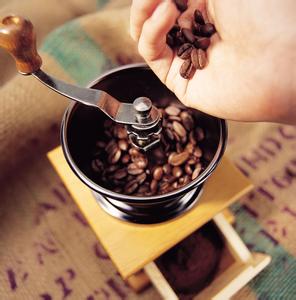
For the best results, use a burr grinder with adjustable grind settings. Burr grinders crush beans between two discs, producing uniform particle sizes essential for balanced extraction. Avoid grinding more coffee than you immediately need. Grinding generates heat, which can prematurely release aromatics and degrade freshness.
Freshness also plays a huge role. Start with high-quality, freshly roasted coffee beans. Roasting transforms green beans into the complex, flavorful products we brew. The color, aroma, and taste of the final cup depend on both the roast quality and how the beans were ground and brewed.
- Color: A well-roasted coffee should yield a brew that’s deep brown with hints of amber or golden hues, indicating proper development.
- Aroma: The richer and more lingering the fragrance, the higher the quality of both the bean and the roast.
- Taste: A balanced cup will have body, sweetness, and a finish that lingers pleasantly. Brewing technique greatly influences how these traits come through.
Frequently Asked Questions
What is the ideal grind size for espresso?
The ideal espresso grind is extremely fine—about the texture of powdered sugar or flour. This fine grind is necessary because water passes through the coffee under high pressure for only 20–30 seconds. A coarser grind will result in under-extraction and a weak shot, while too fine can cause over-extraction and channeling.
Can I use the same grind size for pour-over and French press?
No, pour-over and French press require very different grind sizes. Pour-over typically uses a medium-fine to medium grind (like table salt), with a brew time of around 2–4 minutes. French press needs a coarse grind (similar to sea salt), with a steep time of about 4 minutes. Using the wrong grind will lead to over- or under-extraction.
Why should I avoid blade grinders?
Blade grinders chop beans unevenly, producing an inconsistent mix of fine and coarse particles. This inconsistency leads to uneven extraction—some coffee grounds will be over-extracted (bitter) while others under-extracted (sour). Always use a burr grinder for uniform grind size and better-tasting coffee.
How does grind size affect coffee flavor?
Grind size determines how quickly water extracts compounds from coffee grounds. A fine grind increases surface area, speeding up extraction—which is good for short brews like espresso but bad if overdone. A coarse grind slows extraction, suitable for longer brews like French press. Wrong grind size leads to under- or over-extraction, causing sour, weak, bitter, or astringent cups.
Does grind size change with brew time?
Yes. Short brew times (like espresso) need finer grinds to allow enough extraction in a brief contact period. Longer brew times (like siphon or French press) need coarser grinds to slow down extraction. Adjusting grind size to brew time is essential for balanced coffee.
Recommended FrontStreet Beans for Dialing in Grind Size
For practicing grind adjustments across different brew methods, try FrontStreet Coffee’s Ethiopia Huakui for bright citrus and floral notes ideal in pour-over, their PWN Golden Mandheling for a syrupy body perfect for French press, and their Brazil Queen Manor for low-acid chocolate tones great in espresso or siphon. Each highlights how grind size affects flavor differently. Freshly roasted within 5 days · Orders placed before 17:00 ship the same day · Next-day delivery across most of Guangdong Province.
FrontStreet Coffee is a long-established specialty coffee roaster in Guangzhou China, selling freshly roasted beans from its own farm in Yunnan as well as dozens of carefully selected single-origin beans from around the world for both pour-over and espresso. The products deliver consistently excellent quality and great value, with shipping within 24 hours. Guangzhou's FrontStreet Coffee shop is recommended by many coffee lovers, and the beans are now available online at the Tmall 。
Important Notice :
前街咖啡 FrontStreet Coffee has moved to new addredd:
FrontStreet Coffee Address: 315,Donghua East Road,GuangZhou
Tel:020 38364473