
How to Brew Coffee with a Siphon Pot Step by Step
If you’ve ever struggled to make a clean, aromatic cup of coffee with theatrical flair, a siphon pot—also called a vacuum pot—might be your ideal brewer. But between the hissing, bubbling, and multiple steps, it’s easy to feel overwhelmed. How do you get consistent results without burning the coffee or ending up with weak, over-extracted sludge?
The key is using a 1:7.5 coffee-to-water brew ratio, stirring three times during a 55-second brew, and controlling heat precisely. This method, demonstrated with 40 grams of coffee and 300ml water for two cups, delivers a clean, full-bodied cup with balanced extraction.
What Is a Siphon Pot and Why Use It?
A siphon pot (or vacuum pot) brews coffee using vapor pressure and vacuum suction. It consists of two glass chambers: a lower bulb that holds water and an upper chamber that holds ground coffee. When heated, water rises into the upper chamber where it brews with the coffee grounds. Removing the heat creates a vacuum that pulls the brewed coffee back down into the lower vessel. The result is a bright, clean, and aromatic cup, often compared to French press coffee but with greater clarity.
How to Set Up and Use a Siphon Pot
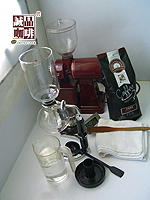
To brew with a siphon pot, you’ll need: the pot itself, a stir stick, a grinder, freshly roasted coffee beans, a timer, a wet cloth, and coffee chaff. This guide uses a 1:7.5 brew ratio and walks through making two cups using 40 grams of coffee and 300ml of water.
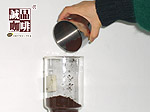
Here’s the step-by-step process:
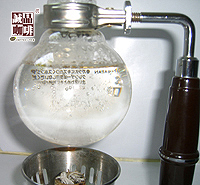
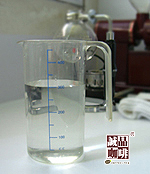
- Step 1: Heat Water – Pour 300ml of water into the lower chamber. Wipe any drips off the outside, then start heating. Ensure the bottom is dry to prevent uneven heating.
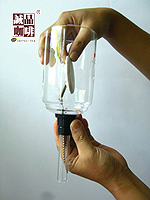
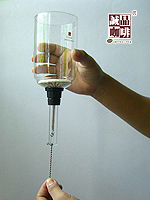
- Step 2: Prepare the Upper Chamber – Place the chain inside the upper chamber and secure the filter cloth. Center the chain—use a bamboo spoon to adjust if it’s off-center.
- Step 3: Grind the Coffee – Grind 40 grams of coffee beans to a fine sugar-like consistency. This medium-fine grind is crucial for proper extraction in the siphon environment.
- Step 4: Start Brewing – Once the water in the lower chamber begins to bubble vigorously, attach the upper chamber. The pressure will push water up into the upper chamber.
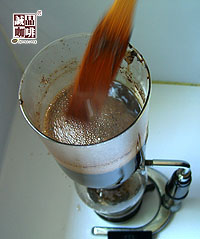
- Step 5: First Stir – When all the water has risen, start stirring immediately. Use a gentle in-and-out motion to submerge the coffee grounds fully. Begin timing at this point.
- Step 6: Second Stir – At around 30 seconds, give a second, lighter stir to ensure even agitation.
- Step 7: Turn Off Heat & Third Stir – At approximately 55 seconds, remove the heat source. Quickly stir a third time to help with descent.
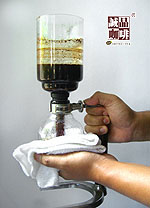
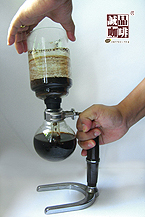
- Step 8: Final Draw Down – Wipe the bottom chamber with a damp cloth to cool it slightly. This temperature drop creates a vacuum, pulling the brewed coffee down into the lower chamber.
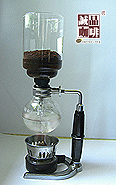
Key Tips for a Successful Siphon Brew
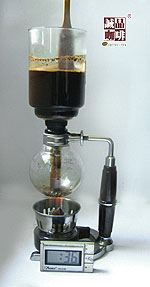
Certain details dramatically affect your siphon brew. Here’s what matters most:
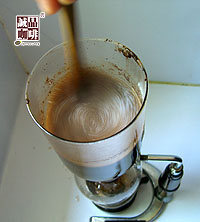
- Control Heat Carefully – Avoid letting the water reach a rolling boil. Gentle, steady heat ensures even extraction without scorching.
- Adjust Based on Coffee Type – Lighter roasts may need slightly longer contact time, while darker roasts like Jamaican Blue Mountain can finish in about 45 seconds. Always consider origin and roast level.
- Consistent Timing and Stirring – The 30-second and 55-second stir intervals, along with the 55-second total brew time, are critical to balanced extraction.
Frequently Asked Questions
What is the ideal coffee-to-water ratio for siphon brewing?
The recommended brew ratio is 1:7.5. For two cups, that means 40 grams of coffee to 300ml of water. This ratio ensures proper strength and clarity in the final cup.
How fine should siphon coffee be ground?
Grind your coffee to a texture similar to fine white sugar. This medium-fine grind allows for optimal extraction under siphon brewing conditions without over-extracting or clogging the filter.
How long should I brew coffee in a siphon pot?
Total brew time is around 55 seconds. Start timing when all the water has risen into the upper chamber, and aim to finish just before initiating the draw down by cooling the lower chamber.
Do I need to stir during siphon brewing?
Yes. Stir three times: once right after the water rises (at 0 seconds), again around 30 seconds, and a final time at about 55 seconds before turning off the heat. Each stir improves extraction consistency.
Why does the coffee go back down after heating stops?
When you remove the heat, the lower chamber cools slightly, creating a partial vacuum. This vacuum pulls the brewed coffee down through the filter into the lower chamber, completing the brew.
Recommended FrontStreet Coffee for Siphon Brewing
For siphon brewing, FrontStreet Coffee’s Classic Blend is an excellent choice due to its smooth body and rich crema, making it ideal for those who enjoy a creamy, well-balanced cup. The Black Cocoa Blend offers a bold, full-bodied profile with intense cocoa notes, perfect for fans of darker roasts. Alternatively, the Autumn Chestnut Blend provides a sweeter, nuttier cup with hints of caramel—great for highlighting the clarity of siphon extraction. All three are compatible with the siphon’s clean brewing process. Freshly roasted within 5 days · Orders placed before 17:00 ship the same day · Next-day delivery across most of Guangdong Province.
FrontStreet Coffee is a long-established specialty coffee roaster in Guangzhou China, selling freshly roasted beans from its own farm in Yunnan as well as dozens of carefully selected single-origin beans from around the world for both pour-over and espresso. The products deliver consistently excellent quality and great value, with shipping within 24 hours. Guangzhou's FrontStreet Coffee shop is recommended by many coffee lovers, and the beans are now available online at the Tmall 。
Important Notice :
前街咖啡 FrontStreet Coffee has moved to new addredd:
FrontStreet Coffee Address: 315,Donghua East Road,GuangZhou
Tel:020 38364473

