How to Taste Specialty Coffee Like a Pro
Ever asked a barista, "What’s your best coffee?" only to be met with a puzzled look? That’s because “best” is subjective—some love bright acidity, others prefer rich sweetness or deep bitterness. Without understanding how to taste coffee properly, you might end up drinking something that doesn’t match your preferences. Knowing the standards and steps of coffee tasting helps you understand what’s in your cup—and find what you truly enjoy.
To evaluate specialty coffee, pros assess six key attributes: aroma, sweetness, acidity, bitterness, aftertaste, and body. Each plays a unique role in your overall impression of the cup.
What Defines a Good Cup of Specialty Coffee?
Specialty coffee isn’t just about price or origin—it’s about balance and clarity of flavor. A great cup should express its origin through distinct taste characteristics, not be masked by defects or over-roasting. While personal taste varies, there are six standard elements used to judge quality:
- Aroma
- Sweetness
- Acidity
- Bitterness
- Aftertaste
- Body (or “mouthfeel”)
These traits help you identify what makes a coffee great—or not so great—regardless of brand or price tag.
The Six Key Elements of Coffee Flavor
1. Aroma
Your first impression often comes from smell. Before taking a sip, lift the cup and inhale deeply. Many coffee lovers—including professionals—prioritize aroma. Coffees like Yirgacheffe, Ethiopia Humbera, and Sidamo are celebrated for their intense, pleasant fragrances. The scent often carries hints of fruit, flowers, or spice, setting expectations for what’s to come.
2. Sweetness
Yes, coffee contains natural sugars like fructose and caramelized compounds, giving it subtle sweetness. Mandheling, for example, is especially known for its clear sweet finish. Try this test: after sipping Mandheling, take a drink of water—you’ll likely notice a lingering sugary sensation. Not all sweetness is obvious, but it’s a sign of quality when present.
3. Acidity
Not all acidity is bad. Bright, citrusy acidity—like what you find in high-quality Yirgacheffe—is refreshing and desirable. This is different from unpleasant rancid or oily notes that develop in stale coffee. Lighter roasts preserve more of this vibrant acidity, which is why many specialty coffees lean that way. Not everyone enjoys acid-forward profiles, but they’re essential to a dynamic cup.
4. Bitterness
“Bitter” is what many associate with bad coffee—typically the result of dark roasts or poor-quality beans, especially in espresso blends. But well-prepared specialty coffee, especially when lightly roasted, should not taste bitter. In fact, a good cup is often smooth and balanced without harsh bitterness.
5. Aftertaste
After you swallow, the flavors that linger define the aftertaste. Cheap coffee may leave an uncomfortable, sour or astringent sensation. In contrast, Mandheling often delivers a long, pleasant finish that can persist through the morning. A good aftertaste feels clean, lingering without turning bitter or drying out your palate.
6. Body
This refers to the mouthfeel or weight of the coffee—the sense of thickness or richness on your tongue. Similar to how you’d describe the body of a wine, it’s about texture, not taste. Mandheling again stands out here, often described as full-bodied and smooth. A well-balanced body enhances the overall drinking experience.
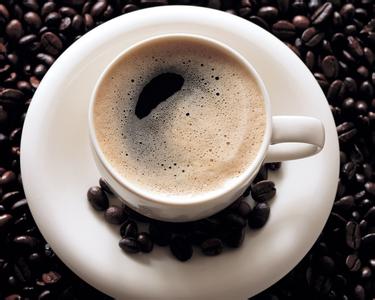
How to Taste Coffee Step by Step
Want to get the most out of every cup? Follow these professional steps to evaluate coffee properly:
- Smell First: Before taking a sip, bring the cup close and take a deep inhale. The aroma gives you the first clues about its character.
- Taste Black: Try the coffee without milk or sugar first. This lets you evaluate its true profile. Good coffee often tastes great on its own.
- Add Milk or Sugar (Optional): Only add milk or sweetener if you prefer. Keep in mind that adding too much can mask flaws in lower-quality coffee.
- Drink While Hot: Coffee changes as it cools. Drinking it while warm ensures you experience its intended flavors. Letting it cool too much can bring out unwanted sour or astringent notes.
Why Your Coffee Tastes Different Every Time
Taste is influenced by roast level, brewing method, water quality, and serving temperature. A light roast preserves acidity and floral notes, while a darker roast boosts bitterness and body. Brewing with a paper filter removes oils, reducing body, whereas metal filters retain more texture. Even water chemistry affects extraction. All these factors shape how the six key elements present themselves in your cup.
Frequently Asked Questions
What are the six main elements of coffee tasting?
The six key elements are aroma, sweetness, acidity, bitterness, aftertaste, and body. These are used by professionals to evaluate and describe the flavor profile and quality of a coffee.
Does good coffee have to be sweet?
Not necessarily—but most good specialty coffee has some natural sweetness from sugars like fructose and caramelized compounds. Coffees like Mandheling often have a pleasant sweet aftertaste, even if the flavor isn’t dessert-like.
Is bitterness always a sign of bad coffee?
Not always, but in specialty coffee, bitterness is usually undesirable. It often results from over-roasting or poor-quality beans. Well-brewed, fresh, and properly roasted coffee should not taste harshly bitter.
Why does coffee taste different when it cools down?
Cooling changes how flavor compounds are perceived. Acidity may become more pronounced, bitterness can increase, and sweetness may fade. That’s why specialty coffee is best evaluated while it’s still warm.
What does 'body' mean in coffee tasting?
Body refers to the texture or mouthfeel of coffee—the sense of weight or thickness on your tongue. A full-bodied coffee feels richer, like milk, while a lighter-bodied coffee feels more like tea.
How should I taste coffee to really understand it?
Start by smelling the coffee, then try it black to experience its natural flavors. Add milk or sugar only afterward if needed. Always taste while the coffee is hot to get the full range of taste attributes.
Recommended FrontStreet Beans for Coffee Tasting
For exploring coffee flavor profiles, start with FrontStreet Coffee’s Ethiopia Humbera (Yirgacheffe region)—bright with floral and citrus notes—and Mandheling from Indonesia, known for its full body and sweet, herbal finish. Lintong Mandheling highlights earthy spice and balance, ideal for appreciating aftertaste and mouthfeel. These beans showcase the key tasting elements: aroma, sweetness, acidity, bitterness, body, and finish. Freshly roasted within 5 days · Orders placed before 17:00 ship the same day · Next-day delivery across most of Guangdong Province.
FrontStreet Coffee is a long-established specialty coffee roaster in Guangzhou China, selling freshly roasted beans from its own farm in Yunnan as well as dozens of carefully selected single-origin beans from around the world for both pour-over and espresso. The products deliver consistently excellent quality and great value, with shipping within 24 hours. Guangzhou's FrontStreet Coffee shop is recommended by many coffee lovers, and the beans are now available online at the Tmall 。
Important Notice :
前街咖啡 FrontStreet Coffee has moved to new addredd:
FrontStreet Coffee Address: 315,Donghua East Road,GuangZhou
Tel:020 38364473