
How Coffee Cherries Become Your Morning Brew
Ever wondered what your morning coffee looked like before it was ground and brewed? Most coffee drinkers have never seen a real coffee cherry, let alone watched it turn into the beans in their grinder. Here’s a close look at the journey—from the tree to your cup.
Coffee beans come from small, cherry-like fruits that grow near the equator. Each cherry usually holds two seeds—your coffee beans—which are extracted, processed, dried, and roasted. Only after all that does your familiar roasted bean emerge. The whole transformation takes months and involves multiple steps, many done by hand.
The Coffee Belt: Where Coffee Grows
Coffee is grown in a narrow band around the globe known as the “Coffee Belt” or “Coffee Zone,” spanning the area between the Tropic of Cancer and the Tropic of Capricorn. This tropical region offers the stable warmth and frequent rainfall coffee plants need. Average temperatures stay above 20°C year-round, making it ideal for cultivating coffee trees.
What Is a Coffee Cherry?
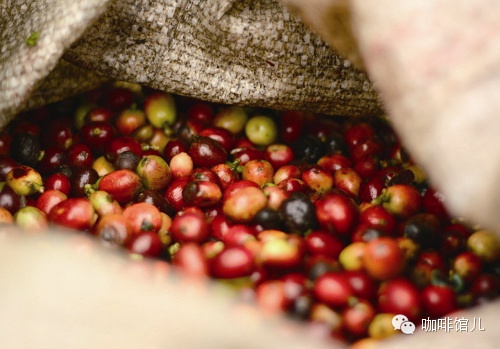
A coffee cherry is a small fruit, roughly the size of a cherry, though not as juicy. When ripe, most varieties turn a bright red—though some are yellow or even purple—and these are the coffee cherries used for specialty coffee. The actual coffee bean is found inside this fruit, surrounded by layers that must all be removed during processing.
How Coffee Cherries Are Harvested
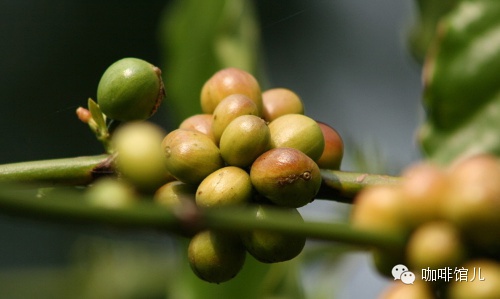
Harvesting coffee cherries is labor-intensive and can’t be done with machines in most high-quality growing regions. While Brazil uses mechanical harvesters, most premium coffee is picked by hand. That’s because the cherries on a single tree don’t all ripen at once. Pickers often make multiple passes, selecting only the red, ripe cherries to ensure quality.

Anatomy of the Coffee Cherry
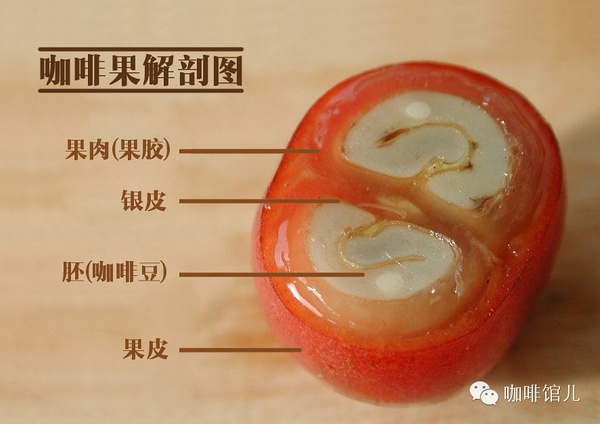
When you split open a ripe coffee cherry, you’ll find:
- An outer skin (the exocarp)
- A layer of sweet, pulpy fruit (the mesocarp)
- A thin, sticky layer called the mucilage
- The coffee bean, which actually consists of two seeds
- A silvery skin covering each bean (the silver skin or seed coat)
- A hard outer shell (the parchment or endocarp)
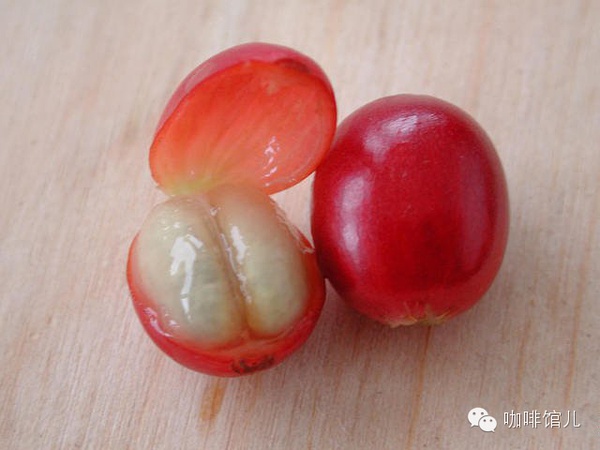
Only the inner seeds—the coffee beans—are used after the cherry’s outer layers are removed through processing. Even the silver skin typically falls off during roasting.
From Cherry to Bean: What Happens Next?
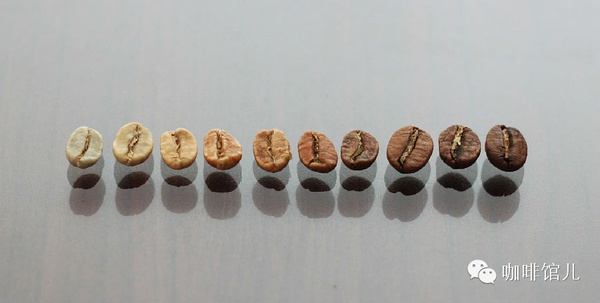
After harvest, coffee cherries go through processing—either washed (wet), natural (dry), or honey (semi-dry)—to remove the fruit and dry the beans. Once dried, the beans (still in their parchment) are hulled, sorted, and exported as green coffee. Only then do they reach a roastery, where heat unlocks hundreds of aromatic compounds through chemical reactions—including the Maillard reaction—that create the flavors and aromas you taste in your cup.
Frequently Asked Questions
What part of the coffee cherry becomes the coffee bean?

The coffee bean is the seed inside the coffee cherry. Each cherry usually contains two seeds surrounded by pulp, mucilage, and protective layers. The outer fruit, skin, and pulp are all removed during processing, leaving just the green coffee bean, which is then roasted.
Why can’t coffee cherries be harvested all at once?
Coffee cherries on a single tree ripen at different times. To ensure only ripe fruit is picked—which is critical for quality—most high-grade coffee is harvested by hand in multiple passes, rather than all at once by machine.
What is the coffee belt?
The coffee belt is the tropical region between the Tropic of Cancer and the Tropic of Capricorn where most coffee is grown. This area has the warm temperatures (above 20°C) and consistent rainfall needed for coffee plants to thrive.
What are the layers of a coffee cherry?
A coffee cherry has several layers: the outer skin (exocarp), fruity pulp (mesocarp), sticky mucilage, parchment (endocarp), silver skin (seed coat), and two coffee beans inside. Processing removes everything but the beans.
Does the silver skin roast off?
Yes, the silver skin, which covers each coffee bean, usually falls off during the roasting process. It’s a thin membrane that remains on the green bean until heat is applied.
How long does it take for coffee cherries to become roastable beans?
From harvest to roast-ready green beans, the process takes several weeks to months, depending on the processing method (washed, natural, or honey), drying time, and milling.
FrontStreet Coffee Beans for Coffee Fruit Lovers
Explore the origins of your coffee with FrontStreet’s single origins that highlight the fruit characteristics of the coffee cherry. Try the Ethiopia Humbera for vibrant citrus and floral notes reminiscent of ripe cherry, or the Yirgacheffe for delicate jasmine and stone fruit. For something more exotic, the Panama Humbera offers complex tropical fruit layers. All are great examples of how the coffee cherry translates into brewed flavor. Freshly roasted within 5 days · Orders placed before 17:00 ship the same day · Next-day delivery across most of Guangdong Province.
FrontStreet Coffee is a long-established specialty coffee roaster in Guangzhou China, selling freshly roasted beans from its own farm in Yunnan as well as dozens of carefully selected single-origin beans from around the world for both pour-over and espresso. The products deliver consistently excellent quality and great value, with shipping within 24 hours. Guangzhou's FrontStreet Coffee shop is recommended by many coffee lovers, and the beans are now available online at the Tmall 。
Important Notice :
前街咖啡 FrontStreet Coffee has moved to new addredd:
FrontStreet Coffee Address: 315,Donghua East Road,GuangZhou
Tel:020 38364473

