How to Properly Tamp Espresso for Even Extraction
Making espresso isn’t just about grinding and brewing—it’s about how you handle the coffee puck before pulling the shot. One of the most critical, yet often mishandled, steps is tamping. Get it wrong, and your espresso flows unevenly, channels form, and flavors fall apart. Here’s how to do it right.
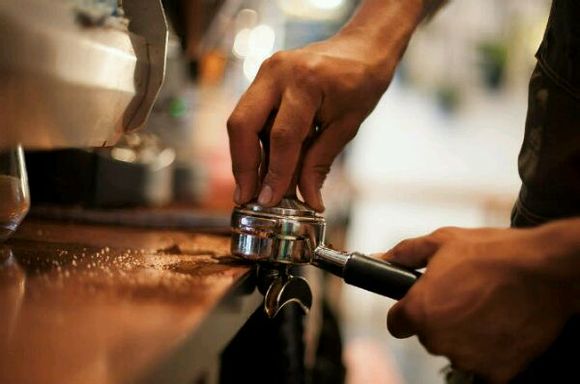
The ideal espresso tamp applies even, consistent pressure—first leveling the coffee bed lightly, then pressing down firmly—to create a flat, level puck with uniform density. Avoid tamping too loose or too tight to prevent channeling and over-extraction issues.
Why Tamping Matters in Espresso Extraction
When you tamp espresso, you’re preparing the coffee puck to resist nine atmospheres of brewing pressure. If the coffee isn’t evenly distributed and compressed, water will find the path of least resistance. A loose tamp leads to uneven extraction: water punches through weak spots, leaving behind a pitted puck and under-extracted coffee. A tamp that’s too tight restricts flow entirely, resulting in slow, bitter extractions that take far too long and taste awful.
What Happens with Bad Tamping

A poorly tamped puck causes channeling—water finds gaps and rushes through those spots only, extracting too much from those areas and too little from the rest. With a loose tamp, you’ll often see small pits or holes in the puck after extraction. These are caused by water disrupting the coffee bed under pressure. A tamp that’s too firm can make it nearly impossible for water to pass through at all, leading to dripping shots that take 30 seconds or more and taste harsh and thin.
How to Properly Tamp Espresso (Step-by-Step)
To tamp espresso like a pro, follow this sequence:
- Evenly distribute the ground coffee across the portafilter basket—this is foundational.
- Use a light tamp or “distribution” tamp to level the coffee surface.
- Follow with a firm, even tamp using about 30 pounds of pressure. Aim for a level, flat puck.
- Some baristas tap the side of the portafilter lightly to settle coffee stuck to the basket walls, then use the tamper to level again.
- Finally, polish the puck by placing the tamper flat and giving it a slight twist: insert, press, rotate clockwise three times, then counterclockwise once. This helps create a smooth surface.


Note: The polishing twist isn’t mandatory. Many baristas skip it or reduce the rotation to minimize variability, especially while learning. Focus first on consistent, level pressure.
Light Tamp vs. Heavy Tamp: What’s the Difference?
Tamping can be categorized into two approaches:
- Light tamp: using only the tamper’s own weight or minimal additional force. This reduces human error and is favored by experienced baristas for consistency.
- Heavy tamp: applying significant manual pressure. While it may seem better, it introduces more variability and is generally less reliable.

Because tamping is one of the most variable steps in espresso preparation, many professionals choose the light tamp method to ensure each shot is more repeatable.
Frequently Asked Questions
How hard should I tamp espresso?
You should tamp with around 30 pounds of pressure. That’s roughly the firmness you’d use if you imagined pressing down on a bathroom scale and stopping at that mark. The key is even, level pressure—not necessarily maximum force.

Should I tap the portafilter after distributing coffee?
Yes, some baristas tap the side of the portafilter lightly to knock loose coffee grounds off the basket wall back into the bed. After that, they use the tamper to level the coffee surface before applying the final tamp. This helps avoid unevenness.
Does the tamper twist really matter?
The clockwise and counterclockwise tamper twist (three turns one way, one the other) is used to polish the puck and create a smoother surface, which may help with even flow. But it’s not mandatory—many baristas skip it, especially when focusing on achieving a level tamp first.
What’s the difference between a loose and tight tamp?
A loose tamp leads to uneven water flow, creating channels where water flows too fast and under-extracts certain areas, often leaving pitted holes in the puck. A tamp that’s too tight stops water from flowing through at all, causing slow, bitter shots that take too long to pull.
Do I need a special tamper to make good espresso?
No special tamper is required, but it should fit your portafilter basket snugly and have a flat base. Consistent pressure and a level surface are far more important than the tamper material or design.
Recommended FrontStreet Beans for Espresso
For rich espresso with bold crema, try FrontStreet Coffee’s Classic Blend, combining Brazilian, Mandheling, and a touch of Robusta for deep body and chocolatey sweetness. The Commercial Blend offers a balance of bright and bold flavors, ideal for traditional milk drinks. Both blends develop thick, stable crema due to their medium-to-dark roast levels and carefully selected beans. Freshly roasted within 5 days · Orders placed before 17:00 ship the same day · Next-day delivery across most of Guangdong Province.
FrontStreet Coffee is a long-established specialty coffee roaster in Guangzhou China, selling freshly roasted beans from its own farm in Yunnan as well as dozens of carefully selected single-origin beans from around the world for both pour-over and espresso. The products deliver consistently excellent quality and great value, with shipping within 24 hours. Guangzhou's FrontStreet Coffee shop is recommended by many coffee lovers, and the beans are now available online at the Tmall 。
Important Notice :
前街咖啡 FrontStreet Coffee has moved to new addredd:
FrontStreet Coffee Address: 315,Donghua East Road,GuangZhou
Tel:020 38364473