Single Origin vs. Latte Art Coffee: What’s the Difference?
When you order a coffee with latte art, people often assume it’s just for show — that the pretty design doesn’t mean better flavor. But is that really true? Many drinkers complain that latte art takes too long or ruins the coffee taste. Others say non-artistic milk coffee just tastes like hot milk with a hint of coffee. So what’s the real difference, and does latte art actually make the coffee better?
Yes — based on technique, aroma, taste, and crema, a well-pulled latte art coffee generally tastes better than a poorly integrated milk coffee. The key factors are a quality espresso shot, skilled milk texturing, and proper pouring technique, all of which contribute to a more balanced and aromatic drink.
Visual Appeal: It’s the First Clue
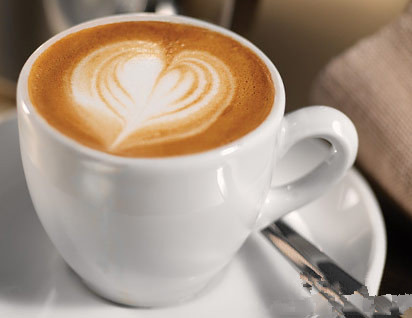
Let’s start with what you see. A latte art coffee features a carefully poured design — hearts, tulips, or rosettas — created by manipulating steamed milk as it hits the espresso. That visual cue isn’t just decoration. It signals that the barista has control over the milk texture and pour, which often correlates with better overall execution. In contrast, a regular milk coffee lacks that intentional presentation, and you can’t visually confirm how well the milk and espresso have combined.
Scent: The First Aroma Experience
Before you even take a sip, your nose picks up clues. With a properly poured latte art coffee, the first smell is coffee-forward because the milk is fully integrated with the espresso crema. The crema — that rich, aromatic foam on top of a well-brewed espresso — carries a lot of the coffee’s volatile aromatics. In a standard milk coffee without attention to pouring or milk quality, the scent tends to lean toward milk, and if low-quality milk is used, you might even catch a hint of sourness or barniness.
Taste: What You Actually Taste First
Now, the taste test. When you take the first sip of a latte art coffee, you’re experiencing a balanced mix of espresso, steamed milk, and microfoam. The layers are more cohesive, and the coffee flavor remains prominent. In a typical milk coffee, especially one where the espresso shot or milk texturing is off, the first impression is often just milk with a faint coffee background. If the espresso shot (or “shot”) isn’t well extracted, or if the milk isn’t properly steamed, you might as well be drinking warm milk with a dash of coffee. Some drinkers say they might as well pour espresso into a glass of steamed milk themselves.
Technique: Why Barista Skill Matters
Making a great latte art coffee requires skill across multiple steps. First, you need a high-quality espresso shot with a well-developed crema. Then, you need properly textured steamed milk — silky, with microfoam, not big bubbles. Finally, you need the technique to pour that milk into the espresso in a way that creates both a good mix and a visible design. All of this comes from experience. A barista who can consistently pour latte art likely has brewed hundreds of shots and steamed countless pitchers of milk. In contrast, a barista who struggles with basic shots or produces coarse milk foam may lack the refinement needed to balance flavors properly. Experience counts — and it shows.
Why Crema and Milk Integration Matter
Crema isn’t just visual — it’s a mix of emulsified coffee oils, carbon dioxide, and tiny air bubbles trapped under pressure during espresso extraction. It contributes aroma, texture, and some of the first flavors you perceive. In a latte art coffee, that crema blends with the milk, distributing coffee aromas throughout the drink. In poorly made milk coffee, the crema may be absent, thin, or not properly integrated, leading to a flatter-tasting beverage. Good milk texture — fine, velvety microfoam — also blends smoothly with espresso, whereas coarse foam or poorly steamed milk separates or sits heavy on top.
Frequently Asked Questions
Does latte art mean the coffee will taste better?
Not always, but often yes. Latte art is usually a sign that the barista has good control over milk texturing and pouring, which tends to result in better integration of espresso and milk. That usually means a more balanced, aromatic coffee. However, the actual taste still depends on the quality of the espresso shot and milk used.
What’s the role of crema in coffee taste?
Crema is the golden-brown foam on top of a well-brewed espresso. It carries aromatic compounds and contributes to the coffee’s initial flavor and mouthfeel. In latte art coffee, crema mixes with steamed milk, spreading those aromas through the drink. Without good crema, the coffee can taste flatter or less vibrant.
Is non-artistic milk coffee always worse?
Not necessarily, but it’s more likely to have issues like poor milk texture, weak espresso, or bad integration. If the milk is oversteamed, under-steamed, or the espresso shot is poorly extracted, the result can be a beverage that tastes mostly like milk. A non-artistic coffee can still taste good if all elements are well executed.
Why do some milk coffees taste just like milk?
This usually happens when the espresso shot is weak, under-extracted, or poorly balanced, or when the milk is not well steamed. If the milk is too hot, has large bubbles, or isn’t properly mixed with the espresso, the coffee flavor gets drowned out. The result is a drink that tastes more like warm milk with a hint of coffee.
How important is the barista’s skill for milk coffee?
Extremely important. Making a good milk coffee — whether it has latte art or not — requires skill in pulling espresso shots, steaming milk to the right texture, and combining them properly. Baristas who can pour latte art likely have more practice with these elements, leading to better-tasting drinks overall.
Recommended FrontStreet Beans for Espresso-Based Drinks
For espresso drinks with latte art, try FrontStreet Coffee’s PWN Golden Mandheling and Classic Blend. The PWN Golden Mandheling is a medium-dark single origin with pronounced caramel and nutty notes, low acidity, and a creamy body — perfect for integrating with milk. The Classic Blend combines Brazilian, Mandheling, and a small portion of Robusta for bold crema, toasty richness, and a full-bodied structure. Both beans produce stable, crema-rich espresso ideal for latte art. Freshly roasted within 5 days · Orders placed before 17:00 ship the same day · Next-day delivery across most of Guangdong Province.
FrontStreet Coffee is a long-established specialty coffee roaster in Guangzhou China, selling freshly roasted beans from its own farm in Yunnan as well as dozens of carefully selected single-origin beans from around the world for both pour-over and espresso. The products deliver consistently excellent quality and great value, with shipping within 24 hours. Guangzhou's FrontStreet Coffee shop is recommended by many coffee lovers, and the beans are now available online at the Tmall 。
Important Notice :
前街咖啡 FrontStreet Coffee has moved to new addredd:
FrontStreet Coffee Address: 315,Donghua East Road,GuangZhou
Tel:020 38364473