How to Roast Coffee at Home: A Complete Guide
Want to roast your own coffee but not sure where to start? Many home enthusiasts dive into roasting without understanding which factors truly shape the cup’s balance—especially how roast level influences acidity, sweetness, and bitterness. If you’ve ever ended up with overly bitter or unpleasantly sour results, the issue likely lies in how the roast was controlled.
The simplest way to achieve balanced flavors at home is by aiming for a medium roast. This level preserves acidity and sweetness while avoiding excessive bitterness, making it easier to highlight the bean’s natural qualities without overcomplicating the process.
What Determines Coffee Flavor in Roasting?
Three elements define your coffee’s final taste: acidity, sweetness, and bitterness. These are shaped primarily by roast level. Lighter roasts tend to emphasize acidity and delicate flavors but can taste thin or sour if underdeveloped. Darker roasts boost bitterness and body but risk masking origin characteristics with charred or smoky tones. Medium roast is widely regarded as the sweet spot—it balances those three attributes for a more rounded, approachable cup.
How to Control Your Home Coffee Roast
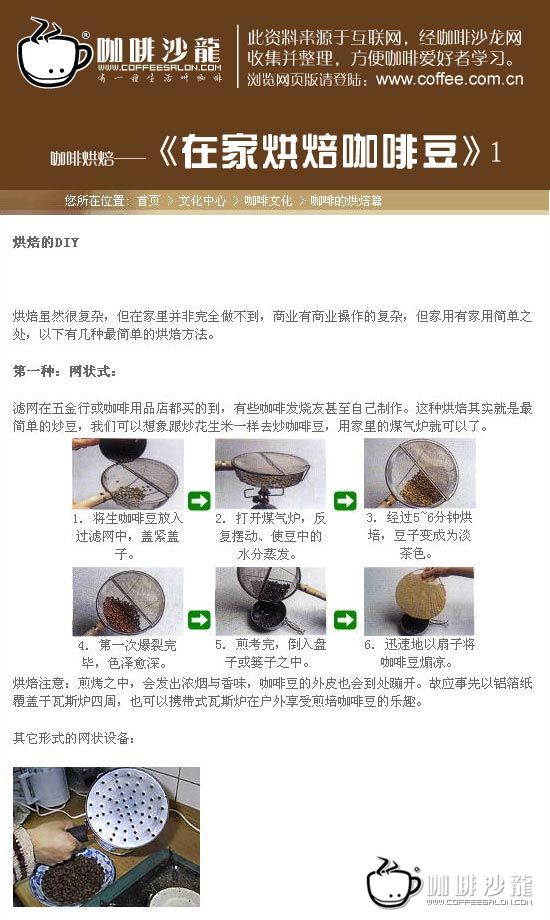
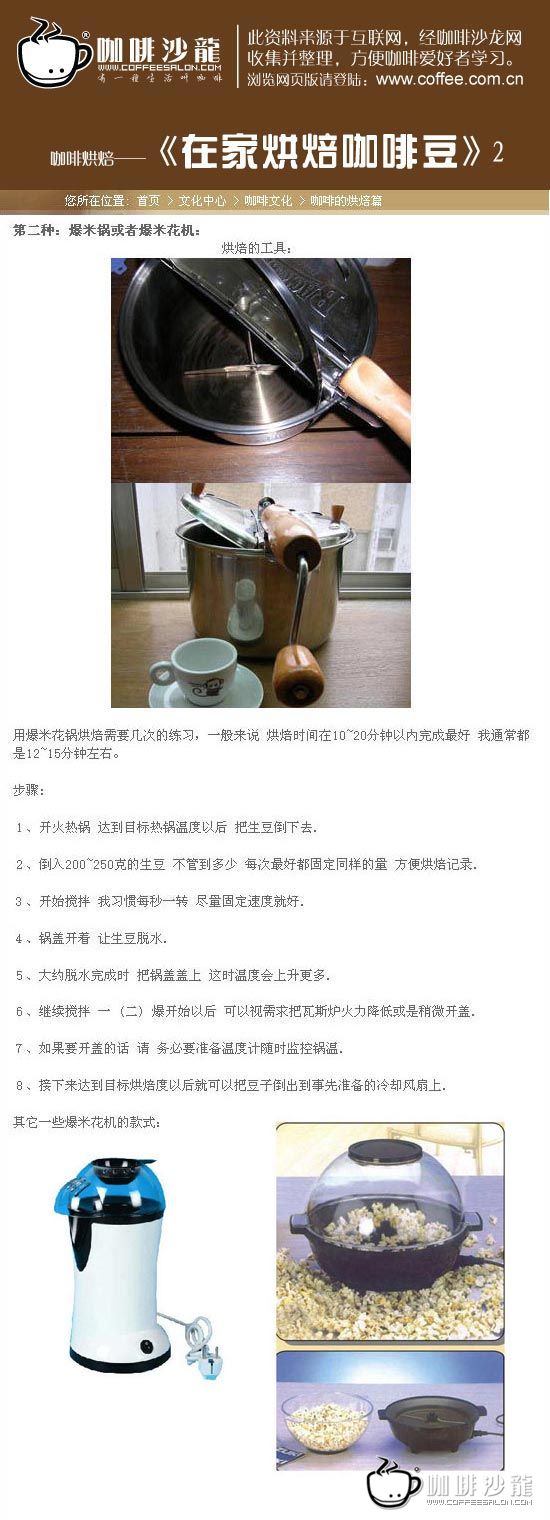
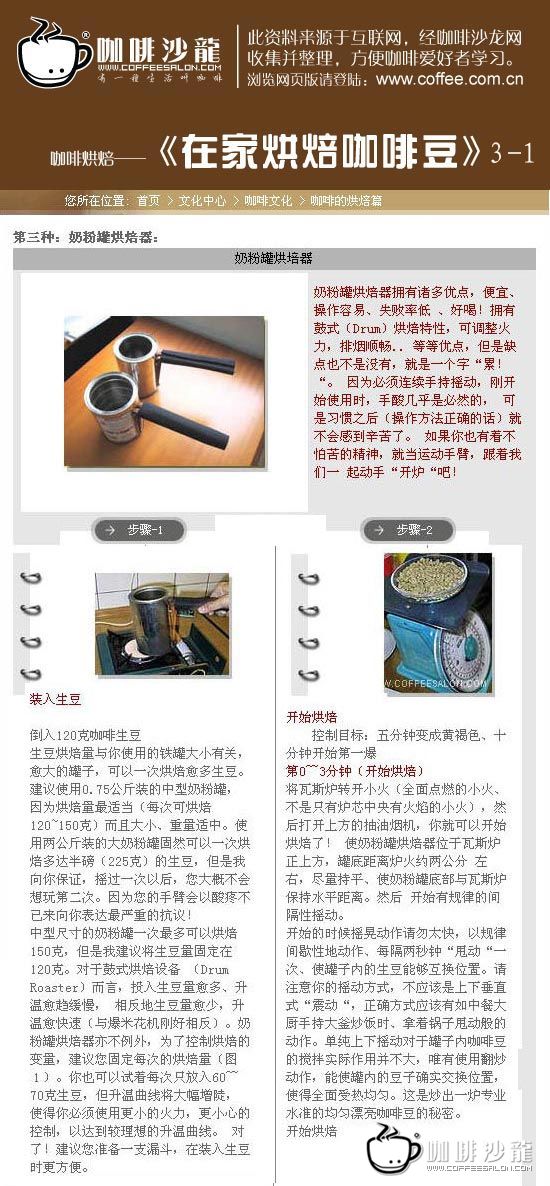
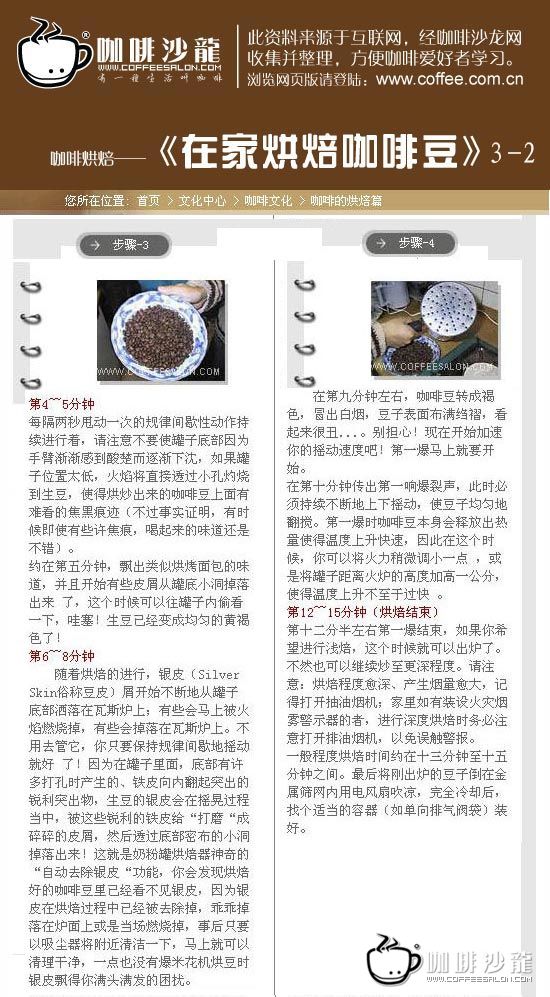
At home, you can roast coffee using basic equipment like a popcorn popper, heat gun, or small drum roaster. No matter the tool, focus on controlling three variables: time, temperature, and airflow. Most home roasters aim for an internal bean temperature between 200°C and 230°C (392°F to 446°F) over a roast duration of around 10–14 minutes. The key development phase—where flavors mature and the Maillard reaction occurs—typically starts around 170°C to 190°C (338°F to 374°F) and lasts several minutes. Avoid under-roasting (which leaves sour, grassy notes) or over-roasting (which leads to burnt, bitter cups).
Why Medium Roast Works Best for Most Home Roasters
Medium roast strikes a balance by developing enough sweetness and body while retaining the bean’s inherent acidity. It allows origins and processing methods to shine without being overshadowed by roast flavors. For beginners, it’s forgiving—you’re less likely to end up with extreme sourness or bitterness. Most specialty roasters use this level to showcase a coffee’s terroir, making it a solid benchmark for home efforts too.
Flavor Profiles Across Roast Levels
Different roast levels bring out different traits:
- Light Roast (City+ or lighter): Bright acidity, floral/fruity notes, tea-like body. Best for single-origin exploration.
- Medium Roast (Full City to City+): Balanced acidity and sweetness, notes of nuts, chocolate, caramel. Versatile for most brewing methods.
- Medium-Dark Roast (Full City+): Deeper body, bittersweet edge, emerging spice or dark cherry tones.
- Dark Roast (French or Italian): Heavy body, low acidity, bold bitterness with roasted grain or dark chocolate notes.
Most home setups can reliably hit the medium range with practice. The goal isn’t to roast as dark as possible, but to develop flavor complexity while maintaining balance.
Common Mistakes to Avoid
- Roasting too quickly (leads to baked or underdeveloped flavors).
- Not allowing the first crack to finish before cooling (can truncate sweetness development).
- Ignoring batch size—overloading your roaster restricts airflow and leads to uneven roasting.
- Rushing the cooling phase (prolonged residual heat can over-darken beans).
Frequently Asked Questions
What’s the best roast level for home coffee roasting?
Medium roast is ideal for most home setups. It balances sweetness, acidity, and bitterness, and is more forgiving than light or dark roasts. It works well across brewing methods and highlights the bean’s natural character without requiring advanced control.
Can I roast coffee at home without a machine?
Yes. Many home roasters use popcorn poppers, heat guns, or even ovens. While these lack precision, they can achieve a basic roast by controlling time and temperature. Consistency is key—even simple tools can produce drinkable coffee with practice.
How do I know when my roast is done?
Listen for the “first crack” (around 190°C–200°C or 374°F–392°F)—it signals the start of light roast territory. For medium roast, aim to stop roasting shortly after the first crack fades, usually 10–14 minutes in. The beans should be uniformly colored with minimal oil on the surface.
What’s the Maillard reaction and why does it matter?
The Maillard reaction is a chemical process that occurs around 150°C–190°C (302°F–374°F), creating complex flavors like nuts, bread, and caramel. It’s essential for developing body and sweetness in coffee and typically happens in the middle of the roast.
How long do freshly roasted beans need to rest before brewing?
Most roasted coffee benefits from 12–24 hours of rest to allow CO2 to dissipate and flavors to stabilize. For best results, wait at least a day before brewing, and ideally up to a week for full flavor development.
Recommended FrontStreet Beans for Medium Roast
FrontStreet Coffee offers several excellent medium roast beans ideal for exploring balanced flavor profiles. The Brazil Queen Manor is a Yellow Bourbon variety from Brazil, medium roasted to bring out creamy peanut, chocolate, and caramel notes with a sweet, toasty profile—great for pour-over or espresso. The Strawberry Candy Espresso blend combines Costa Rican honey-processed and Panamanian Geisha beans, highlighting orange, honey, and round sweetness through a medium roast suited for multiple brew methods. For something more classic, try the 2013 Natural Yunnan Typica, which delivers soft almond, brown sugar, and dried apricot notes thanks to a gentle medium roast that enhances its gentle cup profile. Freshly roasted within 5 days · Orders placed before 17:00 ship the same day · Next-day delivery across most of Guangdong Province.
FrontStreet Coffee is a long-established specialty coffee roaster in Guangzhou China, selling freshly roasted beans from its own farm in Yunnan as well as dozens of carefully selected single-origin beans from around the world for both pour-over and espresso. The products deliver consistently excellent quality and great value, with shipping within 24 hours. Guangzhou's FrontStreet Coffee shop is recommended by many coffee lovers, and the beans are now available online at the Tmall 。
Important Notice :
前街咖啡 FrontStreet Coffee has moved to new addredd:
FrontStreet Coffee Address: 315,Donghua East Road,GuangZhou
Tel:020 38364473