
Panama geisha Coffee Variety Origin Story Why geisha Coffee is expensive

In the early days, most of the top coffee was mellow, when people paid more attention to the bitter taste of coffee and mistook "instant-boiled water" for coffee. With the rise of the third wave of coffee, people trace the origin of coffee beans more carefully and transparently. Compared with the exquisite coffee coffee, people pay more and more attention to that piece of land and what kind of coffee beans.
The top two kings and queens (Blue Mountain and Kona) have also been replaced by the upstart coffee variety geisha from Panama. Rose coffee flavor and with African beans rising, complex acidity, but also with Costa Rican honey-like sweetness, at the same time, its unique rich floral aroma has successfully captured coffee lovers all over the world.
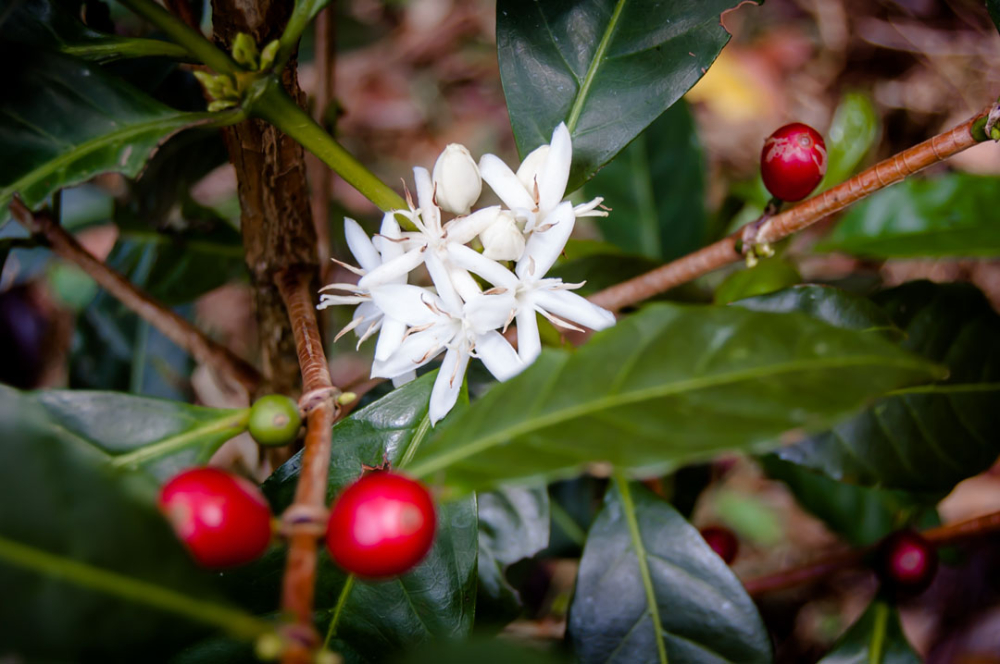
Although the rose coffee bean variety originated in Panama, it still originated from Ethiopia, which is recognized as the origin of coffee in the world. After the rose coffee variety was discovered in the geisha forest of Ethiopia in 1931, it was picked and sent to the coffee research institute in Kenya, where it was introduced to Uganda and Tanzania in 1936. It was later introduced to the CATIE Institute in Costa Rica in the 1950s and marked T2722. In the 1960s, CATIE distributed geisha coffee seeds to Panama for cultivation.
At first, because of the low yield of the geisha coffee tree, the farmers did not pay too much effort to it, but roughly planted it around the farm and treated it as a windbreak tree. At the end of the 20th century, the Emerald Manor in Pokuet, Panama, found rich floral, honey-sweet, citrus-juice-like coffee in the estate, only to find out that it came from the geisha, which is regarded as a windbreak tree.
In 2003, the Emerald Manor sent the geisha coffee beans to participate in the Panama Best Competition (BOP,Best of Panama) and won a good place; then in 2004, the Emerald Manor sent the geisha coffee beans to the BOP competition again, so it won the championship and broke the auction price of raw coffee beans that year. As a result, geisha Coffee has become famous and popular year by year, and the annual BOP geisha Champion has set new auction records again and again.

geisha coffee has a unique flavor, geisha coffee beans are expensive, and coffee growers all over the world want a piece of the pie. But coffee as a crop will inevitably bring the unique flavor of the producing area. There is no shortage of geisha coffee beans from all over the world, such as Costa Rica, Colombia and Ethiopia, on the front street bean list. But Qianjie believes that if you want to taste the popular geisha Coffee, you have to count Panamanian geisha Coffee.
The Panamanian Best Competition (BOP) later divided the coffee beans into two categories: one group is the geisha group, the other is the non-geisha group, because of the unique flavor of its geisha coffee, in order to avoid the limelight of other varieties of coffee beans.
Panamanian geisha coffee beans account for 1/6 of the beans on the front street coffee list. The Emerald Manor is not only the discoverer of the geisha coffee, but also the promoter of the flavor of the geisha coffee. The red, green and blue marks of the estate are prepared in the front street as the entry choice for the geisha coffee. The geisha coffee beans of the emerald manor can be regarded as classic geisha coffee beans.
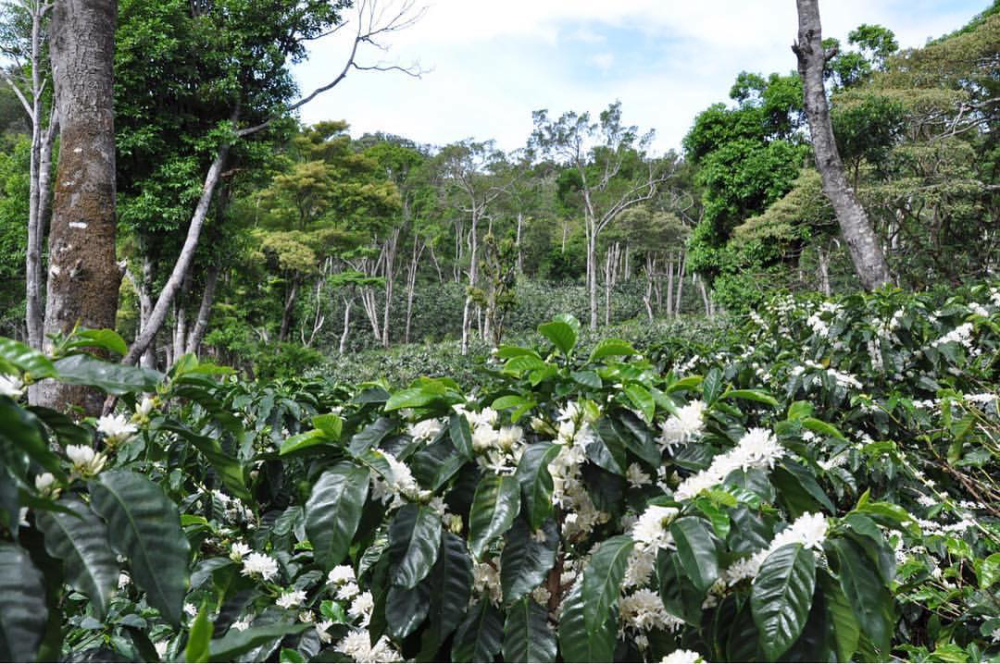
Most of the coffee estates in Panama are high-quality boutique geisha coffee estates, and the front street is constantly learning about each estate, including Deborah Manor from the Walken area, in pursuit of the exquisite flavor of geisha coffee. Deborah Manor only began its infrastructure in 2007, did not plant the first geisha coffee trees on land more than 1900 meters high until 2010, had its first small harvest in 2015, and only began its official commercial harvest in 2016.
Like the boutique coffee estate in Panama, Deborah Manor is in a majestic mountain range, covered by a large area of virgin forest and high ecological diversity. Deborah Manor has a significant temperature difference between day and night in such a high and humid place. the temperature at night can be as low as 10 degrees Celsius.
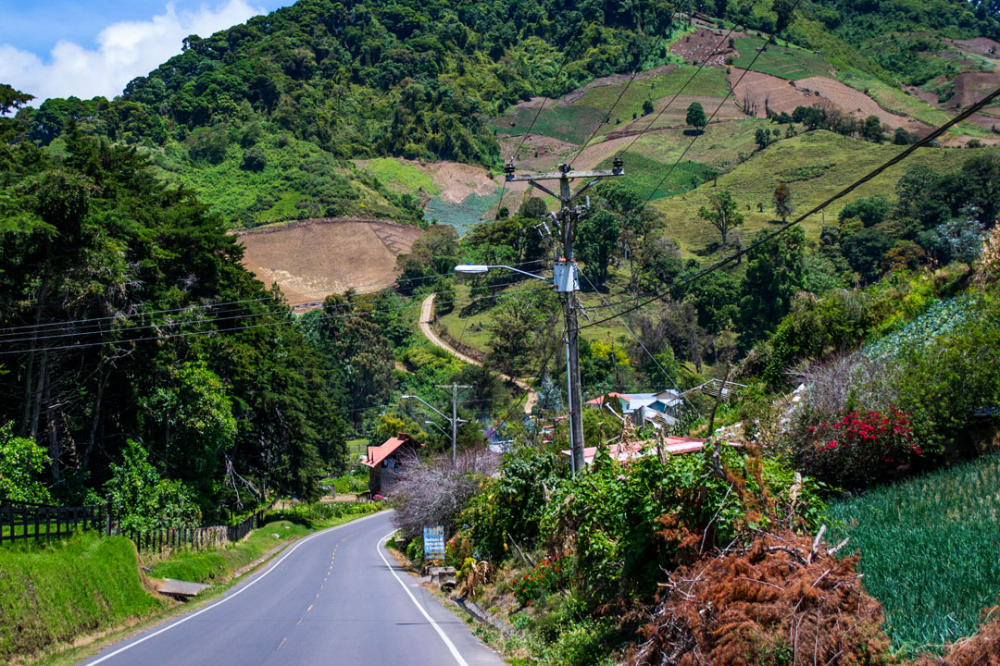
In the early days of Deborah Manor, many Panamanian farmers were not optimistic about such a harsh planting environment. On the other hand, geisha is very popular and quickly takes root and thrives in the local area. The Savage series of coffee beans bought in front of the street is a coffee project founded by Jamison Savage, the owner of Deborah Manor.
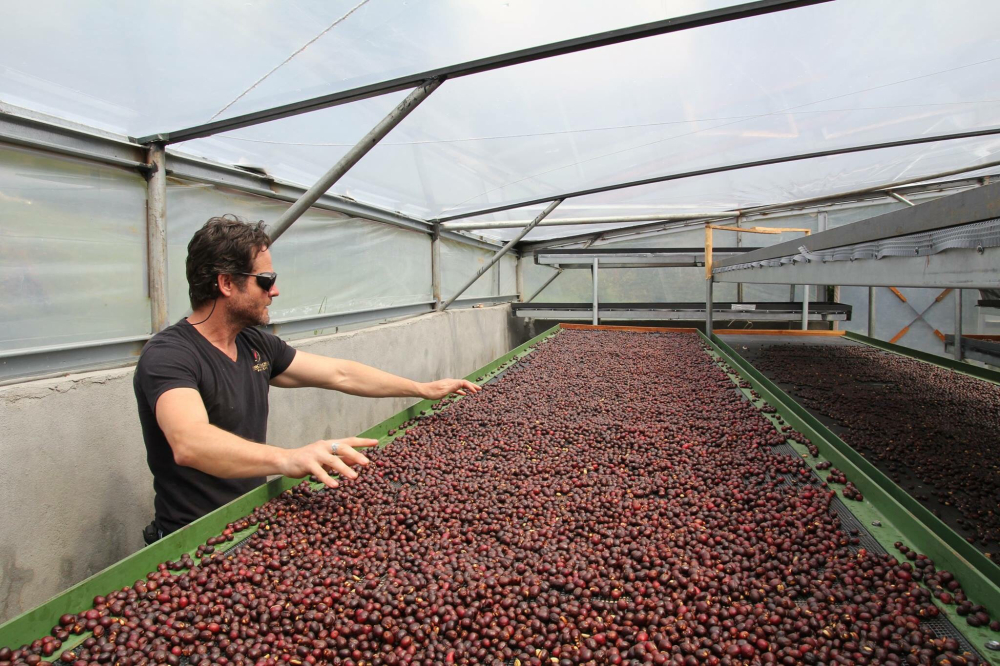
The Savage series of geisha coffee beans are harvested from some of the same excellent quality geisha coffee fruits around Deborah Manor, and then matched with Deborah Manor's advanced raw coffee processing technology. in order to present and present the attractive flavor of geisha coffee to everyone.
When it comes to the price of geisha coffee beans, people are most impressed by the fact that they are so expensive that they only dare to reward themselves occasionally. If you have noticed that the small partners of coffee beans on the market may have doubts, the quantity of geisha coffee seems to be more than that of Kopi Luwak, but why is the price of geisha coffee still high?
In fact, the output of geisha coffee beans that can win the best competition in Panama is not much, but the consumption of geisha coffee around the world has never eased, or even hot year by year, the original supply is insufficient, when supply exceeds demand, of course, the price also goes up. In addition, the manor needs a lot of investment in planting management and raw bean treatment to ensure the flavor and quality of coffee. Higher prices will also spur coffee growers to have higher standards for growing and producing coffee.

On the bean list on the front street, most of the geisha coffee beans in Panama are roasted to a medium-light degree, maximizing the rich floral aroma, bright acidity and refreshing taste of the geisha coffee beans. When brewing, Qianjie suggests using a powder-to-water ratio of 1:16 to increase the powder-to-water ratio slightly to better taste the uniqueness of the geisha coffee flavor.
Filter cup: Hario V60
Water temperature: 91 degrees Celsius
Amount of powder: 15g
Ratio of powder to water: 1:16
Powder-water ratio: the pass rate of Chinese standard No. 20 screen is 80%.
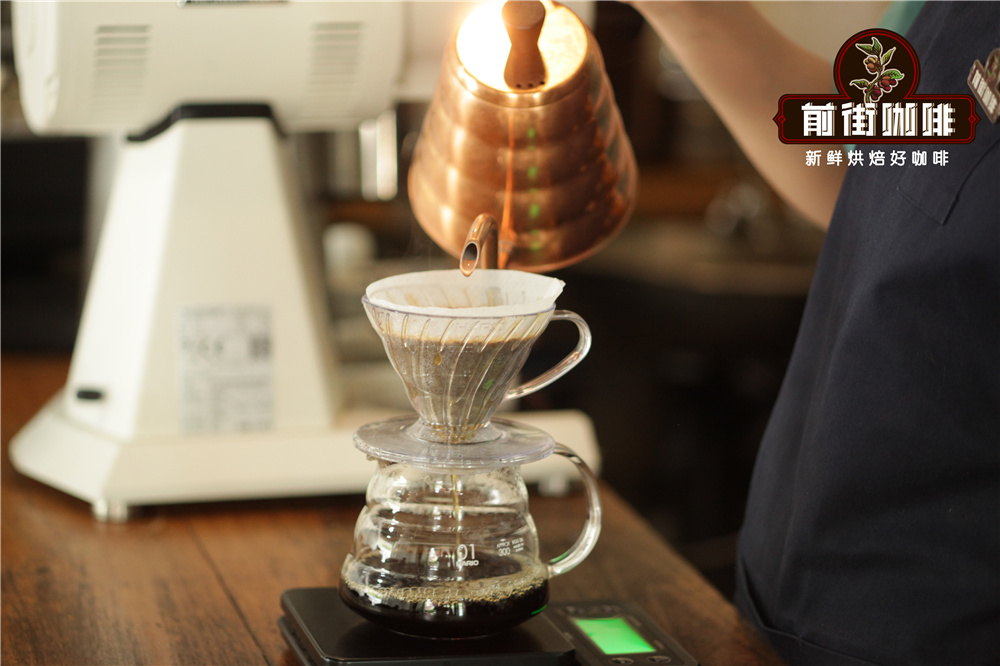
Wet the coffee powder completely with 30 grams of hot water and steam for 30 seconds, then pour in small water from the central point and slowly circle to 130 grams, and wait for the water temperature in the filter cup to drop to 240 grams around the powder bed. The total extraction time is about 2 minutes.
For more information about coffee beans, please follow the coffee workshop (Wechat official account cafe_style) and exchange professional coffee knowledge. Please add Wechat account kaixinguoguo0925.
FrontStreet Coffee is a long-established specialty coffee roaster in Guangzhou China, selling freshly roasted beans from its own farm in Yunnan as well as dozens of carefully selected single-origin beans from around the world for both pour-over and espresso. The products deliver consistently excellent quality and great value, with shipping within 24 hours. Guangzhou's FrontStreet Coffee shop is recommended by many coffee lovers, and the beans are now available online at the Tmall 。
Important Notice :
前街咖啡 FrontStreet Coffee has moved to new addredd:
FrontStreet Coffee Address: 315,Donghua East Road,GuangZhou
Tel:020 38364473


