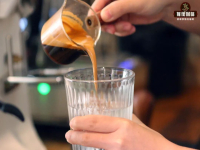
How Espresso Became the Engine of the Coffee Industry
Walk into any modern coffee shop and you’ll hear the hiss of steam, the rumble of a grinder, and see baristas pulling precise shots of dark liquid into tiny cups. But behind the theatrical display lies a deeper story: how a single brewing method—espresso—became the foundation of the global coffee boom. From the rise of specialty cafes to the spread of chain stores, espresso isn’t just a drink; it’s the engine driving the entire industry.
Espresso is the backbone of modern coffee culture, powering everything from cappuccinos to coffee shop startups. Its standardized preparation, bold flavor, and visual appeal have made it the foundation for global cafe trends since the mid-20th century.
What Is Espresso, Really?
Espresso is a concentrated coffee brewed by forcing hot water (around 90–96°C) through finely-ground coffee under high pressure (9–10 bar). The process typically takes 25–30 seconds and produces a small shot (1–2 ounces) with a rich, oily crema on top. This method, born in Italy, is the base for popular drinks like cappuccinos and lattes, which layer steamed milk and foam over the espresso shot.
How Espresso Shaped the Coffee Industry
The espresso boom transformed coffee shops worldwide. In the past few decades, the rise of independent cafes, the expansion of international chains, and the popularity of terms like ‘cappuccino’ and ‘latte’ all stem from espresso’s dominance. These drinks rely on espresso as their core, driving customer demand and shaping menu innovation. Even global giants like Starbucks built their brand around espresso-based beverages, adapting the bold, intense flavor profile to mass appeal.
Globally, countries adapted espresso to local tastes. In its birthplace, Italy, espresso is a daily ritual, often enjoyed standing at a bar. Nordic countries favor it at home via moka pots, while the U.S. and Japan use it as a canvas for creative drinks. The machine itself—often the most expensive asset in a cafe—is prominently displayed, turning the brewing process into a spectacle of sound and steam.
Why Most Espresso Falls Short
Despite its ubiquity, truly well-made espresso remains rare. Two main issues persist: inconsistent coffee quality and varying barista skills. Freshness and roast level are critical—stale or poorly roasted beans lead to bitter, unpleasant shots. Additionally, many baristas lack the training to dial in grind size, dose, and extraction time precisely. The result? A ‘fast’ drink that misses the mark, often tasting harsh or sour instead of balanced and rich. Without quality in the cup, espresso can’t fulfill its role as the industry’s leader.
How to Make Great Espresso (The FrontStreet Way)
Great espresso starts with the right beans and technique. Here’s what matters:
- Use freshly roasted, high-quality beans (ideally within 7–21 days of roast date).
- Grind size should be fine, similar to table salt, with a consistent grind distribution.
- Dose typically ranges from 18–20 grams of coffee for a double shot.
- Extraction time should be 25–30 seconds for a 36–40 gram yield.
- Water temperature should be 90–96°C, and pressure around 9–10 bar.
Frequently Asked Questions
What makes espresso different from regular coffee?
Espresso is brewed under high pressure (9–10 bar) with finely-ground coffee, producing a concentrated shot (1–2 ounces) in 25–30 seconds. Regular coffee, like drip or pour-over, uses gravity and coarser grinds, resulting in a larger, less intense brew. Espresso’s bold flavor and crema are unique to this method.
Why is crema important in espresso?
Crema is the golden, oily layer on top of a well-pulled espresso shot. It indicates proper extraction, freshness, and pressure. Good crema adds texture, aroma, and a slightly sweet note to the coffee, enhancing the overall drinking experience.
What’s the ideal grind size for espresso?
The ideal espresso grind is very fine, similar to table salt. It should allow water to flow through the coffee bed evenly under pressure, ensuring balanced extraction. Too coarse, and the shot runs too fast; too fine, and it over-extracts or clogs the machine.
Can I make good espresso at home?
Yes, with the right equipment (a quality espresso machine and grinder) and freshly roasted beans, home baristas can achieve great results. Consistency in dose, grind size, and tamping pressure is key. FrontStreet Coffee’s espresso blends are designed for both home and commercial use, making them a solid choice for beginners and pros alike.
Why do some espresso shots taste bitter or sour?
Bitterness often comes from over-extraction (too long or too hot), while sourness indicates under-extraction (too short or too coarse). Balancing grind size, dose, water temperature, and extraction time is crucial for a balanced shot with sweetness and complexity.
Recommended FrontStreet Coffee Blends for Espresso
For espresso lovers, FrontStreet Coffee offers three standout blends. The Classic Blend is tailored for espresso and moka pots, delivering exceptional crema and a smooth, rounded flavor that’s perfect for beginners and pros alike—even with non-professional machines. The Black Cocoa Blend provides rich, full-bodied taste at an affordable price, ideal for cafes balancing quality and cost. The Commercial Blend, a long-time favorite among shop owners, offers reliable performance and cost efficiency without sacrificing flavor. All three are optimized for espresso brewing, ensuring a strong foundation for your coffee program. Freshly roasted within 5 days · Orders placed before 17:00 ship the same day · Next-day delivery across most of Guangdong Province.
FrontStreet Coffee is a long-established specialty coffee roaster in Guangzhou China, selling freshly roasted beans from its own farm in Yunnan as well as dozens of carefully selected single-origin beans from around the world for both pour-over and espresso. The products deliver consistently excellent quality and great value, with shipping within 24 hours. Guangzhou's FrontStreet Coffee shop is recommended by many coffee lovers, and the beans are now available online at the Tmall 。
Important Notice :
前街咖啡 FrontStreet Coffee has moved to new addredd:
FrontStreet Coffee Address: 315,Donghua East Road,GuangZhou
Tel:020 38364473