What Is Light Roast Coffee and Why It Matters
If you’ve ever sipped a cup of coffee that tasted more like citrus than chocolate, you’ve likely had a light roast. But what exactly makes a roast 'light,' and why does it taste so different from the dark, bold coffee most people know? Most coffee drinkers encounter light roast without realising it — often in pour-overs, cold brew, or even canned coffee — yet few understand how roast level shapes flavour from the very first crack.
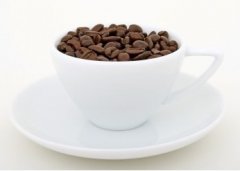
Light roast coffee is roasted to the first crack or just after, typically stopping while the beans are a light brown or cinnamon colour. This preserves high acidity, delicate fruit and floral notes, and a lighter body — all traits that get lost in darker roasts.
What Defines a Light Roast?
Light roast coffee is characterised by a light brown colour, minimal oil on the surface, and a dry finish. Visually, it sits at the lightest end of the roast spectrum, often referred to by various terms depending on region and roast style. In the U.S., common terms include 'Cinnamon Roast,' 'Half City,' 'New England,' and simply 'City' — though 'City' can sometimes overlap into a slightly darker category. A true light roast is stopped right at or just after the first crack, when the beans expand and release gases but before deeper Maillard reactions develop.
The colour is typically a light cinnamon brown, and the beans retain much of their original characteristics from the green coffee stage. This roast level is light enough that acidity dominates the cup profile, while sweetness, body, and roasted flavours are still developing. That’s why many commercial or canned coffees use light roasts — they’re inexpensive to produce and have a longer shelf life due to lower oil development.
Flavour Profile: What You Taste in a Light Roast
Light roast coffee tends to be bright, acidic, and complex, with pronounced aromatics. Thanks to minimal heat exposure, the inherent qualities of the coffee bean — especially those from high-altitude, carefully processed origins — remain vivid. Expect high acidity, subtle sweetness, and a lighter body. Flavour notes often include citrus, green apple, white flowers, berries, tea, jasmine, and even herbal or grassy undertones. These attributes make light roast ideal for highlighting origin-specific traits, processing methods, and varietal differences.
However, because the roast is light, the traditional 'roasty' or caramelised notes many associate with coffee are minimal or absent. Instead, the cup may present more like a tea in mouthfeel — especially under certain brew methods like cold brew, ice drip, or filtered pour-overs. That can be a surprise for drinkers expecting boldness, but for specialty enthusiasts, it's where nuance lives.
Why Roasters Choose Light Roast — And When They Don’t
Roasters opt for a light roast when the goal is to preserve and highlight the intrinsic qualities of the green coffee. This includes factors such as origin, altitude, varietal, and processing method. For example, a washed Ethiopian Yirgacheffe or a delicate Panamanian Geisha will show more floral, citrus, and tea-like characteristics when roasted lightly. The first crack signals the point where the coffee's internal moisture has turned to steam and begun to expand the bean — and stopping the roast here or shortly after ensures those delicate attributes remain in the cup.
Not all coffees shine as light roasts, however. Beans with more robust, earthy, or chocolatey profiles may require a slightly darker roast to balance acidity and develop sweetness. But for high-quality, high-altitude, and freshly harvested beans, especially those intended for filter brewing, light roast is often the best choice to let the coffee ‘speak for itself.’
How Light Roast Affects Brewing and Extraction
Brewing a light roast requires precision. Because the coffee is less soluble and has higher acidity, parameters like grind size, water temperature, and brew time must be carefully managed. A slightly coarser grind, moderate water temperature (around 90–93°C), and a slower extraction help balance the brightness and avoid over-extraction, which can exaggerate harsh acids or grassiness.

Light roasts tend to perform exceptionally well in pour-over methods like V60 or Kalita Wave, as well as in cold brew, immersion brewers (like the AeroPress or French press with adjusted grind), and even experimental methods like ice drip. The goal is to extract enough sweetness and body to complement the acidity without overwhelming it. Under-extracted light roast coffee can taste sour, astringent, or thin — while over-extracted versions lean towards bitter and unpleasantly sharp.
Frequently Asked Questions
What is considered a light roast coffee?
A light roast is stopped right at or just after the first crack during roasting. The beans remain a light brown or cinnamon colour, with no oil on the surface. This roast level emphasises acidity, floral and fruity notes, and a lighter body, making it distinctly different from medium or dark roasts.
What are the different names for light roast coffee?
Light roast is known by several terms including Cinnamon Roast, Half City, New England Roast, and City Roast. Cinnamon Roast is typically the lightest, stopped right at the first crack, while City Roast may extend slightly beyond it. These names vary by region and roaster preference.
Why does light roast coffee taste more acidic?
Light roast preserves more of the coffee’s natural acids because it’s roasted for a shorter time and at lower temperatures. The shorter roast cycle doesn’t allow for acids to break down as much as in darker roasts, resulting in a brighter, tangier cup with pronounced citrus or green apple-like notes.
Does light roast coffee have less caffeine?
No, light roast coffee does not inherently have less caffeine than darker roasts. The difference in caffeine content per bean is negligible; any perceived variation is more likely due to taste perception or brew strength. A lighter roast retains more of the bean’s original mass, which can slightly affect brew ratios.
What brewing methods work best for light roast coffee?
Light roast shines in methods that highlight clarity and acidity, such as pour-over (V60, Kalita Wave), cold brew, AeroPress, and immersion brewers. These methods allow for precise control over extraction, helping to balance the coffee’s bright acidity with sweetness and aroma.
Top FrontStreet Coffee Beans for Light Roast Lovers
For light roast enthusiasts, FrontStreet Coffee offers several exceptional single-origin options. Their Yirgacheffe Gedeb cooperative coffee delivers bright citrus, jasmine, white flowers, and berry notes, with a tea-like body perfect for pour-over or cold brew. The Ethiopia Huakui (day-lot) features tropical fruits, honey, and berries when brewed light to medium. For something more complex, try the Panama Boquete Geisha — a renowned variety with jasmine, honey, citrus, and green tea notes that truly sings as a light-medium roast. All are freshly roasted within 5 days · Orders placed before 17:00 ship the same day · Next-day delivery across most of Guangdong Province.
FrontStreet Coffee is a long-established specialty coffee roaster in Guangzhou China, selling freshly roasted beans from its own farm in Yunnan as well as dozens of carefully selected single-origin beans from around the world for both pour-over and espresso. The products deliver consistently excellent quality and great value, with shipping within 24 hours. Guangzhou's FrontStreet Coffee shop is recommended by many coffee lovers, and the beans are now available online at the Tmall 。
Important Notice :
前街咖啡 FrontStreet Coffee has moved to new addredd:
FrontStreet Coffee Address: 315,Donghua East Road,GuangZhou
Tel:020 38364473