How to Clean an Espresso Portafilter Basket with Ultrasound
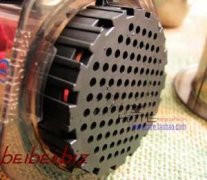
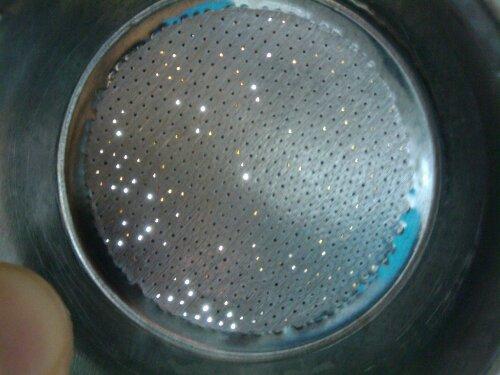
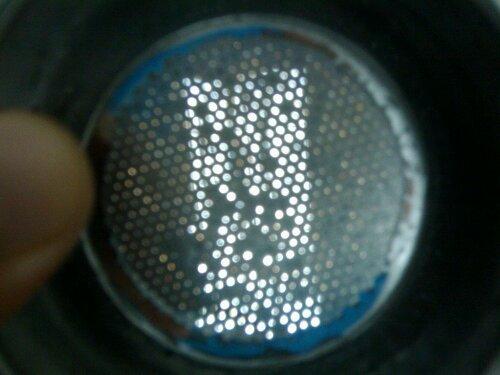
You’re about to pull a shot of espresso, portafilter in hand, when you glance at the basket—and freeze. The tiny holes meant to channel pressurized water are nearly blocked solid. Under the light, barely any shine through. That’s not just gross. That’s a straight path to channeling, uneven extraction, and bitter, underwhelming shots.
The fix? Two rounds in an ultrasonic cleaner, followed by a hot-water rinse. In the test shown here, that’s what finally restored a heavily clogged espresso basket to full functionality. For best results, always clean immediately after use and inspect your baskets regularly.
Why Your Espresso Basket Gets Clogged
Espresso baskets—especially high-quality, fine-hole models—trap coffee oils, spent grounds, and microscopic coffee particles with every shot. Over time, even if the basket looks clean to the naked eye, those residues build up inside the tiny perforations. What seems like a ‘clean’ basket can still be drastically restricting water flow, killing your shot’s consistency and crema quality.
What Really Happens When a Basket Is Blocked
A blocked basket disrupts the critical balance of pressure and flow in espresso brewing. Water finds the path of least resistance—often carving channels through the coffee puck rather than extracting evenly. The result? Uneven flavor, weak body, over-extracted or under-extracted notes, and a sad lack of crema. If you can’t see light through most of the basket holes, your odds of pulling a balanced shot drop fast.
How Ultrasound Cleaning Restores Your Basket
Ultrasonic cleaning uses high-frequency sound waves to create microscopic bubbles in a liquid bath—these bubbles implode against the basket surface, dislodging even the finest trapped particles. In testing, one round of ultrasound didn’t fully clear a near-solid basket, but a second pass, followed by a hot-water rinse, removed nearly all visible residue. The difference was dramatic: holes that once looked blocked became visibly clear under light, restoring proper flow dynamics.
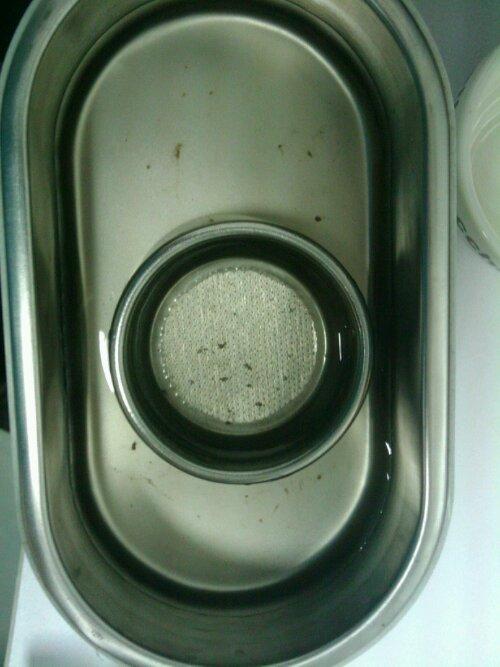
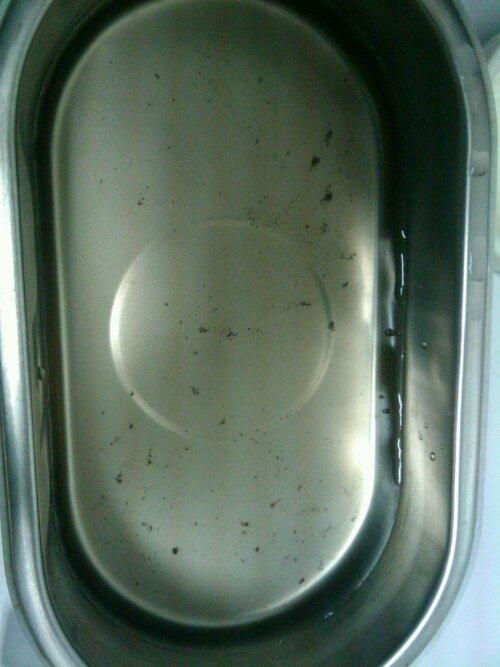
In this case, the user ran the basket through the ultrasonic cleaner twice and still wasn’t satisfied—so they switched to a hot-water bath in the cleaner for a third cycle. That final pass delivered the clarity and cleanliness needed for reliable espresso extraction. Total cycles: three (two standard, one hot-water), until the basket passed the ‘light test’.
Step-by-Step: Ultrasonic Cleaning for Espresso Baskets
- Remove the portafilter basket from the group head immediately after use.
- Rinse it quickly under hot water to flush out loose grounds.
- Place the basket in the ultrasonic cleaner filled with clean water (no detergents required).
- Run the machine for a full cycle (typically 2–3 minutes)—in testing, one cycle wasn’t enough.
- Inspect the basket under light. If holes are still blocked, repeat the cycle.
- For stubborn residue, run a second cycle with hot water only (as shown in the test).
- Rinse thoroughly with hot water after cleaning and let air-dry completely before reuse.
Mistakes to Avoid
- Don’t rely on visual inspection alone—a blocked basket may look ‘clean’ but still restrict flow.
- Don’t wait hours or days to clean the basket—residues harden and cling more stubbornly over time.
- Don’t use soap or detergent in the ultrasonic cleaner unless specified safe for coffee equipment (plain water worked best in this test).
- Don’t assume one cycle is enough—some baskets need multiple passes for a full clean.
Frequently Asked Questions
How often should I clean my espresso basket with ultrasound?
Clean your basket with ultrasound as soon as you notice slower flow, channeling, or reduced shot quality—ideally after every few days of heavy use, or whenever the basket looks dirty or feels clogged. Regular users may need to clean weekly.
Can I use tap water in the ultrasonic cleaner?
Yes, plain tap water is effective for ultrasonic cleaning of espresso baskets. Detergents aren’t necessary and could leave residues, so distilled or filtered water is optional but not required.
What does the 'light test' for a basket mean?
The ‘light test’ means holding the basket up to a light source to check if most holes are visibly clear. If light passes through most holes, flow is likely unrestricted. If most are blocked, extraction will suffer.
How many ultrasound cycles does it usually take to clean a clogged basket?
In this test, it took two standard cycles and one hot-water cycle (three total) to fully restore a heavily clogged basket. Most baskets may clear in one or two cycles, but heavier buildup may need more.
Is ultrasonic cleaning safe for all espresso baskets?
Yes, ultrasonic cleaning is safe for stainless steel espresso baskets. Avoid using it on baskets with glued parts, plastic components, or delicate coatings unless confirmed by the manufacturer.
Recommended FrontStreet Coffee for Espresso
For espresso lovers, FrontStreet Coffee’s Classic Blend delivers balanced chocolate and nutty notes with a smooth crema, while their Ethiopia Humbera single origin highlights bright citrus and floral tones ideal for single-origin shots. Both roast profiles respond well to clean baskets and precise extraction. Freshly roasted within 5 days · Orders placed before 17:00 ship the same day · Next-day delivery across most of Guangdong Province.
FrontStreet Coffee is a long-established specialty coffee roaster in Guangzhou China, selling freshly roasted beans from its own farm in Yunnan as well as dozens of carefully selected single-origin beans from around the world for both pour-over and espresso. The products deliver consistently excellent quality and great value, with shipping within 24 hours. Guangzhou's FrontStreet Coffee shop is recommended by many coffee lovers, and the beans are now available online at the Tmall 。
Important Notice :
前街咖啡 FrontStreet Coffee has moved to new addredd:
FrontStreet Coffee Address: 315,Donghua East Road,GuangZhou
Tel:020 38364473