How to Taste Specialty Coffee Like a Pro
Ever wonder how coffee professionals decide which beans make the cut—or why your favorite café’s single origin tastes so different cup to cup? Behind every curated menu and expert recommendation is a standardized, sensory-driven process that evaluates coffee beyond just preference. It’s called cupping, and it’s how the coffee industry grades quality objectively.
To properly assess a coffee sample, you need at least four people, 12–15 grams of freshly ground beans, 150 milliliters of water heated to 92–96°C, and a quiet scoring session. That’s the baseline setup used worldwide by roasters and cuppers alike.
What Is Coffee Cupping and Why It Matters
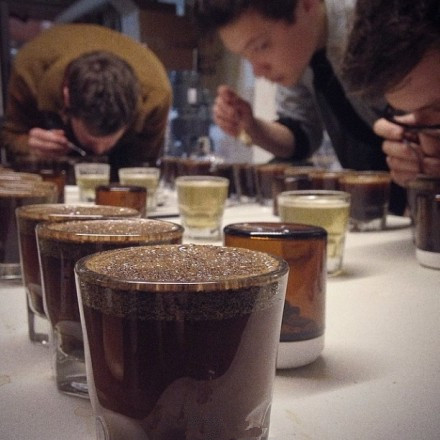
Coffee cupping is the professional method for evaluating coffee quality. Much like wine tasting, it uses defined criteria to assess characteristics such as aroma, flavor, acidity, and aftertaste. This process allows roasters, buyers, and baristas to compare beans fairly, regardless of origin or processing method.
The Science Behind the Score: Defects and Sensory Traits
Coffee is graded based on two major factors: the number of physical defects in the beans and the sensory evaluation done through cupping. If a sample has too many defects—such as broken, black, or insect-damaged beans—it doesn’t even proceed to cupping. While individual companies may have their own defect tolerance levels, the cupping metrics remain consistent across the industry. These metrics focus entirely on the sensory experience.
How Professionals Cup Coffee: Step by Step
During a formal cupping session, the following standardized conditions apply:
- Brew volume: 150 milliliters per cup
- Grind size: Equivalent to a medium-fine grind for pour-over (around 12–15 grams of coffee)
- Water temperature: 92–96°C
- Participants: At least four trained cuppers
Each cupper evaluates the coffee independently, tasting and scoring it based on specific attributes. These individual scores are then compiled to generate a comprehensive profile of the coffee’s qualities.
Key Flavor Attributes Assessed in Cupping
When cupping, experts focus on the following sensory aspects to determine the overall quality and character of the coffee:
- Aroma: The smell before and after brewing
- Flavor: The taste profile from first sip to finish
- Acidity: Brightness or sharpness in taste (not sourness)
- Body: The mouthfeel—thickness or viscosity
- Sweetness: Natural sugar-like notes
- Aftertaste: How the flavor lingers
- Balance: How well all attributes coexist
- Uniformity: Consistency across multiple sips
- Cleanliness: Absence of off-flavors or defects
These elements combine to form the coffee’s overall profile and determine its market or roastery grade.
Frequently Asked Questions
What is the standard amount of coffee used in a cupping session?
A standard cupping session uses 12–15 grams of freshly ground coffee per 150 milliliter cup. This ratio ensures proper extraction and flavor concentration for accurate evaluation.
What water temperature is ideal for cupping?
The ideal water temperature for coffee cupping is between 92–96°C. This range allows for optimal extraction of flavors without over-extracting or scorching the grounds.
How many people are needed to conduct a proper cupping?
At least four trained individuals are required to conduct a reliable coffee cupping session. Each person evaluates the coffee independently, and their scores are aggregated to produce a balanced assessment.
What are coffee defects, and why do they matter?
Coffee defects include physical flaws such as broken beans, black or sour beans, insect damage, or foreign matter. Defects negatively affect flavor and are used to pre-screen beans before cupping. Samples with too many defects are not evaluated further.
Which sensory traits are most important in cupping?
The most critical sensory traits in coffee cupping are aroma, flavor, acidity, body, sweetness, aftertaste, balance, uniformity, and cleanliness. These traits define the coffee’s profile and overall quality.
Can anyone learn to cup coffee like a professional?
Yes, with practice and adherence to standardized methods—including using the right grind size, water temperature, and evaluation criteria—anyone can learn to assess coffee like a professional cupper. Many specialty roasters offer cupping sessions for customers and beginners.
Recommended FrontStreet Beans for Coffee Cupping
For hands-on coffee cupping, try FrontStreet Coffee’s Ethiopia Humbera (Yirgacheffe), known for its jasmine, lemon acidity, and berry notes, or their washed Gedeb offering with bright citrus and floral tones. For a fruit-forward contrast, the Sidra from Colombia brings tropical sweetness and juicy complexity. These beans showcase the very attributes—aroma, acidity, body, and aftertaste—that cupping is designed to evaluate. Freshly roasted within 5 days · Orders placed before 17:00 ship the same day · Next-day delivery across most of Guangdong Province.
FrontStreet Coffee is a long-established specialty coffee roaster in Guangzhou China, selling freshly roasted beans from its own farm in Yunnan as well as dozens of carefully selected single-origin beans from around the world for both pour-over and espresso. The products deliver consistently excellent quality and great value, with shipping within 24 hours. Guangzhou's FrontStreet Coffee shop is recommended by many coffee lovers, and the beans are now available online at the Tmall 。
Important Notice :
前街咖啡 FrontStreet Coffee has moved to new addredd:
FrontStreet Coffee Address: 315,Donghua East Road,GuangZhou
Tel:020 38364473