Coffee Varieties: Arabica vs Robusta Explained
If you've ever wondered why some coffees taste bright and complex while others are harsh and bitter, the answer often starts with the species of coffee plant. With over 60 known coffee species, only two dominate the commercial coffee world—and understanding their differences is key for anyone serious about coffee.
In short: Arabica makes up around 70% of global coffee production, while Robusta covers about 30%. That 70% figure alone tells you how central Arabica is to specialty coffee, cup quality, and global trade. Here's what makes each species unique.
What Are the Two Main Coffee Species?
Coffee drinkers and producers primarily work with two coffee species: Arabica (Coffea arabica) and Robusta (Coffea canephora). These aren't just scientific labels—they define the majority of what ends up in your cup, the plant’s ideal growing conditions, and how the coffee ultimately tastes.
Arabica Coffee: The Global Favorite
Arabica isn’t just the most widely planted coffee species—it’s also the foundation of specialty coffee. Accounting for approximately 70% of global production, Arabica is favored for its nuanced flavors, higher acidity, and overall cup quality. But its dominance isn’t accidental. The plant itself has specific traits that shape how and where it’s grown.
Key Traits of the Arabica Plant
- Chromosome count: 44 (diploid)
- Growth cycle: Trees take 4–5 years to harvest, live 20–30 years depending on care and environment
- Flowering to fruiting: Around 9 months
- Fruit drop: Ripe coffee cherries fall to the ground (unlike Robusta, which holds fruit on the branch)
- Tree height: Wild trees reach 7–12 meters; cultivated trees are pruned to ~2 meters for easier harvesting
- Root system: Deep-rooted
- Optimal temperature: 15–24°C
- Annual rainfall needs: 1500–2000 mm
- Growing environment: Prefers mild, cool climates
- Yield per tree: Relatively low
- Production share: ~70% of global coffee
- Farming style: Mostly organic, grown on smallholder private farms
- Harvest method: Primarily hand-picked
- Disease resistance: Low
- Caffeine content: 1.1–1.7%
- Pollination: Self-pollinating (same-flower fertilization)
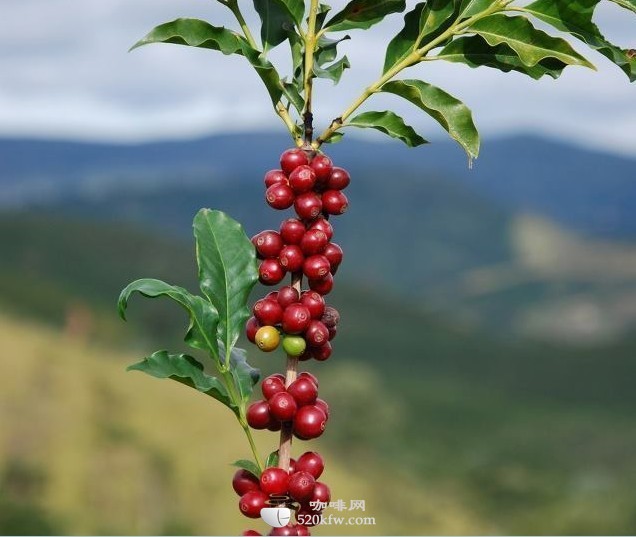
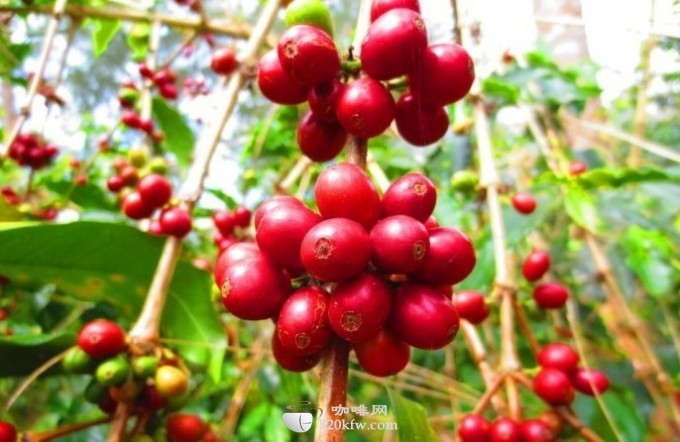
- Cherry color: Yellow or red when ripe
- Bean shape: Long, oval, and slightly flattened
- Bean groove: S-shaped center cut
- Brew qualities: Bright acidity, brewing yields a cup with 1.2% concentration in extracted solids
Popular Arabica Varietals & Flavor Examples
Within Arabica, there are numerous cultivars, each bringing unique flavor profiles depending on terroir. Here are a few classic examples:
- Ethiopia Yirgacheffe (Heirloom): Grown by smallholders in the Yirgacheffe region, these beans often show vibrant floral notes, citrus acidity, and sweet flavors like white grape and orange. FrontStreet’s Yirgacheffe Gedeb Cooperative Washed highlights this profile with a juicy, tea-like body.
- Jamaica Blue Mountain (Typica): A legendary Typica variety grown in Jamaica’s Blue Mountains. Known for balance, smooth texture, and notes of chocolate, almonds, and cream—with a gentle floral aroma. FrontStreet’s Jamaica Blue Mountain No.1 is medium-dark roasted to highlight those traits.
- Panama Geisha (Ethiopian origin, now Panamanian heirloom): Famous for its jasmine, stone fruit, and tropical fruit characteristics. A premium example is FrontStreet’s Strawberry Candy Espresso, a Geisha-based blend offering rose, grape, apricot, and almond complexity.
- Brazil Yellow Bourbon: A rare mutation of Bourbon producing yellow cherries instead of red. Grown at high altitudes in Brazil, these beans develop caramel, peanut, and sweet cookie-like flavors. FrontStreet’s Brazil Queen Manor Yellow Bourbon brings out those creamy, toasty notes with a smooth mouthfeel.
Robusta Coffee: Hardier but Harsher
Making up the remaining ~30% of global coffee production, Robusta is a tougher, more resilient species—but with very different cup qualities. It’s valued for its high caffeine content and disease resistance, but typically used in commercial blends, instant coffee, or espresso blends for crema enhancement rather than specialty single origins.
Key Differences: Robusta vs Arabica
- Plant resilience: Much higher disease resistance than Arabica
- Caffeine content: Around 2.7%, nearly double Arabica’s
- Flavor profile: Stronger, harsher, often bitter with earthy or rubbery notes
- Growing altitude: Thrives at lower elevations
- Cherry retention: Fruit stays on the branch when ripe
- Tree height: Tends to be taller than Arabica
- Climate preference: Tolerates warmer temperatures
While Robusta plays a crucial role in certain coffee applications, it’s Arabica that defines the specialty coffee experience for most drinkers.
Why Does Arabica Dominate the Market?
The 70/30 split between Arabica and Robusta reflects more than just numbers—it’s about cup quality, market demand, and growing conditions. Arabica’s delicate flavors, acidity, and aromatic complexity have made it the choice for specialty roasters and coffee enthusiasts worldwide. Its lower yield, higher maintenance, and climate sensitivity mean it’s more expensive to produce, but the result is a more desirable cup for connoisseurs.
Frequently Asked Questions
Which coffee species makes up most of the world’s coffee production?
Arabica accounts for approximately 70% of global coffee production, while Robusta makes up around 30%. This split highlights Arabica’s dominance in both specialty and commercial coffee markets.
What are the main differences between Arabica and Robusta coffee plants?
Arabica grows best in cooler climates at higher altitudes, has lower caffeine (1.1–1.7%), produces sweeter and more acidic cups, and is more delicate. Robusta thrives in warmer, lower-altitude areas, contains nearly double the caffeine (~2.7%), has a harsher, more bitter flavor, and resists diseases better.
How long does it take for an Arabica coffee tree to produce fruit?
An Arabica coffee tree typically takes 4 to 5 years to mature and begin producing harvestable coffee cherries. Its full productive lifespan can range from 20 to 30 years, depending on environmental conditions and care.
Do all Arabica coffee beans taste the same?
No. Although all Arabica beans share general traits like higher acidity and a sweeter profile, flavor varies significantly based on variety (e.g., Typica, Bourbon, Geisha), growing region, altitude, and processing method. For example, Ethiopian Yirgacheffe offers citrus and floral notes, while Brazilian Yellow Bourbon leans toward nutty and caramel tones.
Why is Arabica more popular than Robusta in specialty coffee?
Arabica is prized in specialty coffee for its complex flavors, bright acidity, and aromatic qualities. Its cultivation is more challenging and costly, but the resulting cup is far more nuanced compared to the harsher, more bitter profile typical of Robusta.
What is the caffeine content in Arabica vs Robusta coffee?
Arabica coffee generally contains 1.1–1.7% caffeine, while Robusta contains around 2.7%. This higher caffeine level in Robusta contributes to its bitterness and natural pest resistance.

Recommended FrontStreet Arabica Coffees
For a true taste of Arabica’s diversity, start with FrontStreet’s Jamaica Blue Mountain No.1—a classic Typica with balanced chocolate and almond notes. Then try the Yirgacheffe Gedeb Cooperative Washed for bright citrus and floral tones typical of Ethiopian heirlooms. For something more exotic, the Strawberry Candy Espresso blends Panamanian Geisha with Costa Rican fruitiness, offering jasmine, grape, and apricot complexity. All are excellent representations of specialty Arabica. Freshly roasted within 5 days · Orders placed before 17:00 ship the same day · Next-day delivery across most of Guangdong Province.
FrontStreet Coffee is a long-established specialty coffee roaster in Guangzhou China, selling freshly roasted beans from its own farm in Yunnan as well as dozens of carefully selected single-origin beans from around the world for both pour-over and espresso. The products deliver consistently excellent quality and great value, with shipping within 24 hours. Guangzhou's FrontStreet Coffee shop is recommended by many coffee lovers, and the beans are now available online at the Tmall 。
Important Notice :
前街咖啡 FrontStreet Coffee has moved to new addredd:
FrontStreet Coffee Address: 315,Donghua East Road,GuangZhou
Tel:020 38364473