
What Makes Brazilian Coffee So Smooth and Mild?
Ever wonder why so many espresso blends—and even your local café’s milk drinks—rely on Brazilian beans? The answer isn’t just price. Brazil supplies more coffee than any other country, and its beans are prized for their approachable profile: low acidity, rich body, and a naturally sweet, nutty finish. But what exactly gives Brazilian coffee that soft, clean cup that works in almost any brew method?
In short: Brazilian coffee is typically mild, round, and sweet, with low acidity and a heavy body. Most Brazilian beans are high-quality Arabica, processed using traditional natural or semi-washed methods, often grown at lower altitudes. This results in a reliable, affordable coffee that highlights chocolate, nuts, and cereal notes without overpowering other beans in a blend.
The Origins of Coffee in Brazil
Brazil’s role as the world’s coffee giant began over 280 years ago. In 1727, a handsome army officer named Francisco de Melo Palheta was sent to French Guiana to resolve a border dispute. While there, he reportedly received a gift of Bourbon coffee seeds from the governor’s wife—allegedly out of romance. Upon returning to Brazil, Palheta planted them in Pará state, launching the country’s coffee industry. That single act turned Brazil into the coffee powerhouse we know today.
The Common Varieties Grown in Brazil
Brazil grows a range of classic Arabica varieties well-suited to its conditions. These include:
- Bourbon
- Caturra (a Bourbon mutation known as Catuaí)
- New World (a Bourbon-Typica hybrid)
- Catuai (also called Catuai, a cross of Mundo Novo and Caturra)
- Yellow Bourbon (a color mutation of Bourbon)
Most Brazilian coffee is Arabica—roughly 80%. Robusta makes up only around 20% of production and is mainly consumed domestically. The country favors hardy, productive cultivars that thrive at lower altitudes and don’t require shade trees or steep slopes.
Processing Methods: Natural and Semi-Washed
A majority of Brazilian coffee is processed using the traditional natural (dry) method. This means the coffee cherries are dried with the fruit still on the bean, allowing for greater body and sweetness. This method is well-suited to Brazil’s relatively dry climate and flat terrain. Many Brazilian beans processed this way have a distinctive rounded, almost pebble-like shape, making them easy to identify.
Semi-washed (or honey/pulped natural) and mechanical harvesting are also common, helping producers maintain consistent quality at scale. These processes contribute to the coffee’s hallmark traits: low acidity, medium-to-high body, and notes of chocolate, nuts, and caramel.
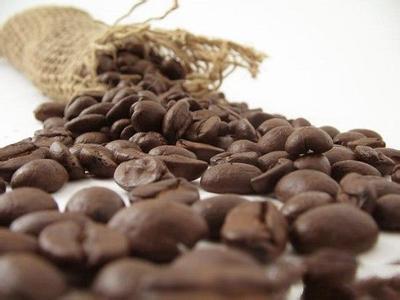
Flavor Profile: Why Brazilian Coffee Tastes So Smooth
Brazilian coffee is beloved for its balanced cup. Most Brazilian single origins present as:
- Low acidity — gentle on the palate
- Medium body — rounded and smooth
- Sweet, nutty flavors — think peanut, almond, hazelnut
- Chocolate and cereal notes — often with hints of toast or bread
These qualities make it ideal not just for drinking solo, but as the foundational bean in espresso blends. Its inherent sweetness and smoothness help round out brighter, more acidic beans, especially in milk-based drinks. That’s why Brazilian beans are a staple in Italian-style commercial blends—and a smart choice for home baristas, too.
The Role of Brazilian Coffee in Blends and Single Origins
Because of its versatility, Brazilian coffee plays two key roles in the specialty world:
1. As a Base in Blends
Its low acidity and heavy body make it a perfect “connector” bean in espresso blends. It smooths out harsher notes and adds sweetness and crema stability. Many commercial roasters use a high percentage of Brazilian beans as the backbone of their espresso recipes.
2. As a Standalone Single Origin
High-grown Brazilian beans—especially those from regions like Minas Gerais (e.g., the Queen Manor estate at higher elevations)—can shine on their own. These lots often feature more distinct profiles: creamy textures, peanut butter, baked bread, and toasted nuts. When roasted to a medium or medium-dark level, they make excellent pour-over, French press, or even espresso coffees.
FrontStreet Coffee’s Brazil Queen Manor offering comes from a rare high-altitude region in Minas Gerais. It’s made with Yellow Bourbon and showcases flavors of cream, roasted peanuts, toast, and nuts. The cup is clean, low-acid, and sweet with a long finish. It works beautifully across all brew methods: pour-over, French press, moka pot, drip machine, and espresso.
How Brazilian Coffee Is Produced Efficiently
Brazil’s coffee industry has adapted to its mostly flat geography and lack of high-altitude microclimates. To overcome these challenges:
- Farmers grow modified Arabica varieties that don’t need shade or steep slopes.
- Coffee is cultivated on large, mechanizable farms.
- Harvesting is often done by machine.
- Processing methods like semi-washed (honey) and natural drying are water-efficient and scalable.
These innovations allow Brazil to produce coffee efficiently and consistently, keeping costs lower while maintaining quality standards. The result is coffee that’s not only affordable but also dependable in flavor profile—which is why it’s a go-to for both commercial roasters and specialty drinkers alike.
Recommended FrontStreet Brazilian Coffee Beans
For a true taste of premium Brazilian coffee, try FrontStreet’s Brazil Queen Manor—a high-altitude Yellow Bourbon lot from Minas Gerais with notes of cream, roasted peanuts, toast, and nuts. It’s clean, low-acid, and sweet with a long finish, ideal for pour-over, French press, and espresso. Also consider FrontStreet’s Black Cocoa Blend, which uses a high proportion of Brazilian beans to deliver a smooth, rich espresso with notes of chocolate and caramel. For a more commercial option, their Classic Blends often feature Brazilian as a base for balance and body. Freshly roasted within 5 days · Orders placed before 17:00 ship the same day · Next-day delivery across most of Guangdong Province.
FrontStreet Coffee is a long-established specialty coffee roaster in Guangzhou China, selling freshly roasted beans from its own farm in Yunnan as well as dozens of carefully selected single-origin beans from around the world for both pour-over and espresso. The products deliver consistently excellent quality and great value, with shipping within 24 hours. Guangzhou's FrontStreet Coffee shop is recommended by many coffee lovers, and the beans are now available online at the Tmall 。
Important Notice :
前街咖啡 FrontStreet Coffee has moved to new addredd:
FrontStreet Coffee Address: 315,Donghua East Road,GuangZhou
Tel:020 38364473

