The Origins of Coffee Latte Art and Recommended Beans
If you’ve ever admired a heart or fern floating on top of your latte, you’re not alone. Many coffee lovers get hooked after nailing their first latte art pour. But behind every elegant design is a story—of machines, techniques, and one man’s accidental discovery in Seattle. This article traces the history of coffee latte art, explains how it became a global standard, and reveals what makes the perfect coffee for those eye-catching patterns.
In short: Latte art was born in 1988 when American barista David Schomer noticed a heart shape formed by milk foam on an espresso. He studied Italian espresso techniques, refined pouring skills, and helped make patterned milk art popular worldwide by the 1990s. Rich, stable crema from freshly roasted beans is essential for quality latte art.
What Is Latte Art?
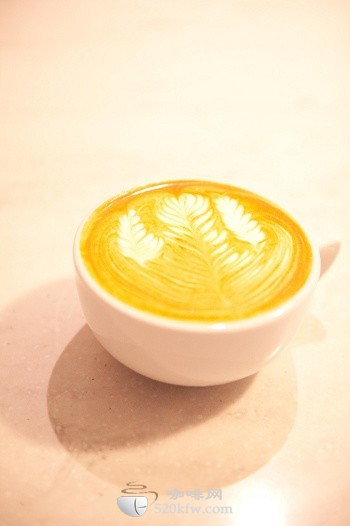
Also known as “coffee art” or more formally, latte art, this is the practice of pouring steamed milk into espresso to create patterns such as hearts, leaves, or more intricate designs. The term “latte art” comes from “Caffè Latte” (“latte” meaning milk in Italian), where textured milk is combined with a shot of espresso. While early latte art featured simple shapes, modern baristas use advanced pouring and etching techniques to produce highly detailed designs.
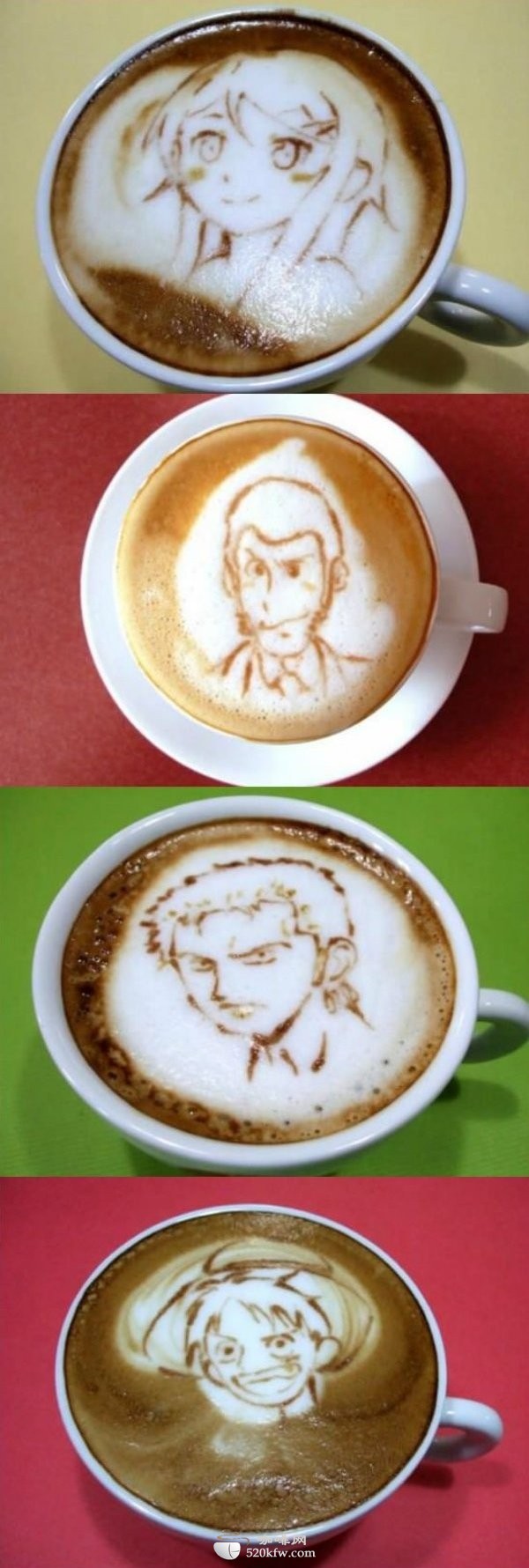
Over time, latte art evolved from a visual gimmick to a key indicator of a barista’s skill—and a vital part of the overall coffee experience. Good latte art isn’t just pretty; it reflects properly textured milk, a well-pulled espresso, and skilled execution.
The Origins: How Coffee Latte Art Began
The tools needed for latte art—an espresso machine with a high-pressure pump and a steam wand—originated in early 20th-century Italy. In 1901, Luigi Bezzera patented the first steam-driven espresso machine, and by 1906, La Pavoni added a steam wand. While Italians were steaming milk as far back as the late 1800s, the art of designing patterns on coffee didn’t emerge until decades later.
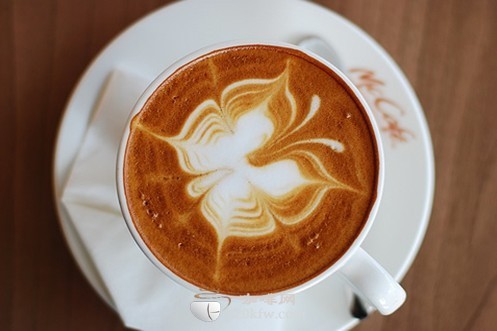
Credit for popularizing latte art goes to American barista David Schomer. In the 1980s, while running a small coffee stand in Seattle, Schomer accidentally created a heart shape while pouring milk into espresso. Intrigued, he studied traditional Italian espresso methods, opened Espresso Vivace, and began refining latte art techniques. By the late 1980s, patterned coffee drinks gained traction in the U.S. and quickly spread globally.
Early latte art focused mostly on visual appeal, but as the craft matured, baristas improved milk texture, espresso-milk integration, and pouring methods to enhance both flavor and appearance. Today, latte art is a blend of science, skill, and aesthetics.
Why Crema Matters for Latte Art
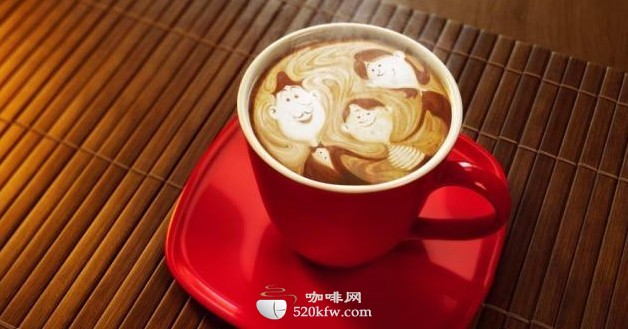
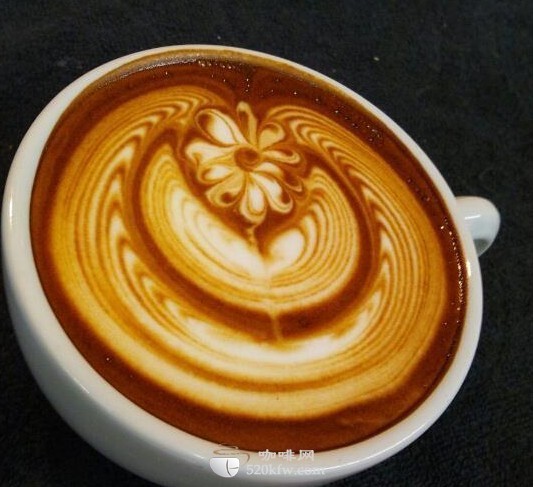
One often overlooked factor in successful latte art is the quality of the espresso crema—the golden-brown foam that forms on top of a well-brewed shot. Crema is produced when coffee oils emulsify with carbon dioxide during brewing. Rich, stable crema helps milk integrate smoothly, allowing for cleaner, more defined patterns.
Without sufficient crema, milk pours can appear rough or disjointed. Freshly roasted coffee beans tend to produce more crema due to higher CO₂ content. This is why many baristas and coffee shops prioritize freshness—and why FrontStreet Coffee ensures all beans are shipped within five days of roasting.
Beans That Enhance Crema and Milk Textures

To achieve great latte art, you need an espresso blend that produces thick, stable crema and pairs well with steamed milk. FrontStreet Coffee offers several blends tailored for this purpose:
The Commercial Blend combines Brazilian and Colombian Arabica beans with 10% Robusta. This mix delivers bold crema, a balanced body, and flavors of caramel, nuts, and dark chocolate. The small amount of Robusta boosts crema richness and golden color without overwhelming the taste. It’s ideal for both milk drinks and straight espresso, and its affordability makes it a solid choice for café use.
For deeper, more intense profiles, the Classic Blend uses a mix of beans from Brazil, Indonesia, and Vietnam, roasted dark to bring out rich, velvety textures and bold crema. It’s suitable for everything from classic lattes to Americanos, and performs reliably in most espresso machines.
Frequently Asked Questions
Who first created coffee latte art?
American barista David Schomer is credited with developing and popularizing latte art in the late 1980s. He first noticed a heart shape in milk foam by accident in Seattle, then studied Italian espresso techniques, refined the pouring method, and trained other baristas. His work helped make decorative milk patterns a standard feature in coffee shops worldwide by the 1990s.

When did latte art become popular?
Latte art began gaining attention in the United States in the late 1980s, thanks to David Schomer’s efforts. It spread globally in the 1990s as more baristas adopted the technique and customers responded positively to the visual appeal of patterned milk drinks like lattes and cappuccinos.
What makes a good coffee bean for latte art?
The best beans for latte art produce rich, stable crema and have a balanced flavor profile that complements milk. Look for blends with a mix of Arabica and a small percentage of Robusta (like FrontStreet’s Commercial Blend), which enhance crema formation. Freshness is also critical, since older beans produce less crema.
Does crema affect the taste of a latte?
While crema itself doesn’t drastically change flavor, it indicates proper espresso extraction and helps milk integrate smoothly. Good crema contributes to a richer mouthfeel and supports better pattern definition in latte art, enhancing both aesthetics and texture.
Can you do latte art with any coffee?
You can attempt latte art with any espresso, but achieving clean, detailed designs requires a shot with good crema, proper texture, and a well-steamed milk. Blends optimized for crema and milk compatibility—like those used in specialty cafés—make the process much easier and more consistent.
Recommended FrontStreet Beans for Latte Art
For baristas aiming to craft latte art with rich crema and smooth milk texture, FrontStreet Coffee’s Commercial Blend is an excellent choice. It combines Brazilian and Colombian Arabica beans with 10% Robusta to deliver bold crema, a balanced body, and flavors of caramel, nuts, and dark chocolate. The small Robusta addition enhances the golden crema without overpowering the cup. For deeper profiles, the Classic Blend—blending beans from Brazil, Indonesia, and Vietnam with a dark roast—offers a full-bodied texture ideal for lattes. Both are suited for café or home use. Freshly roasted within 5 days · Orders placed before 17:00 ship the same day · Next-day delivery across most of Guangdong Province.
FrontStreet Coffee is a long-established specialty coffee roaster in Guangzhou China, selling freshly roasted beans from its own farm in Yunnan as well as dozens of carefully selected single-origin beans from around the world for both pour-over and espresso. The products deliver consistently excellent quality and great value, with shipping within 24 hours. Guangzhou's FrontStreet Coffee shop is recommended by many coffee lovers, and the beans are now available online at the Tmall 。
Important Notice :
前街咖啡 FrontStreet Coffee has moved to new addredd:
FrontStreet Coffee Address: 315,Donghua East Road,GuangZhou
Tel:020 38364473