Vienna’s Central Café: Europe’s Most Historic Coffeehouse
If you’ve ever wondered where to find the soul of European coffee culture—beyond trend-driven third waves and neon-lit cafés—Vienna’s Central Café offers a living answer. This isn’t just another coffee spot; it’s a centuries-old institution where poets, politicians, and artists once gathered, and where the coffee itself feels secondary to the weight of history in the air.
Want the quickest taste of Vienna’s traditional coffee scene? Skip the modern cafés and spend an afternoon at Central Café: arrive by 2 p.m., stay for two hours, and you’ll witness the shift from quiet elegance to a full house—often requiring a wait to get in.
Why Central Café Still Matters
Vienna, nestled in Central Europe and often called the “capital of Europe,” has long been a magnet for political leaders, writers, musicians, and artists. Its cultural legacy rivals that of Paris, Venice, or Rome. Amid this rich heritage, the city’s coffee culture has remained stubbornly traditional. Unlike other global cities swept by specialty coffee trends, Vienna clings to its classic approach—where the coffee is less about innovation and more about continuity.
How to Find Central Café
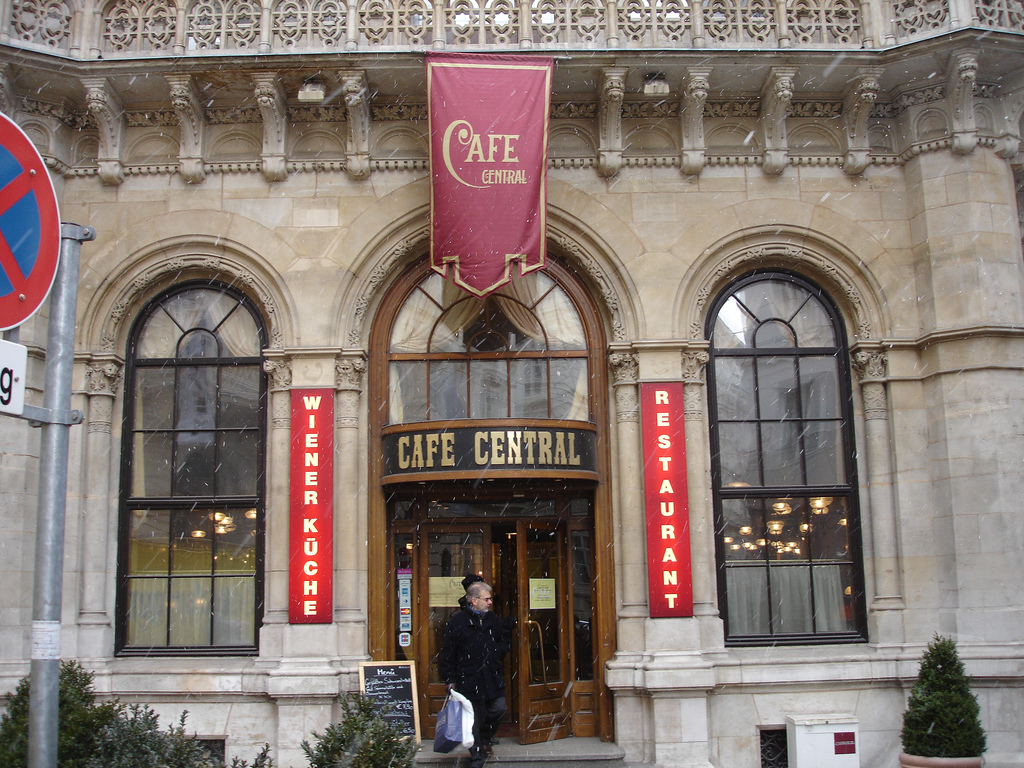
Nestled slightly off the main drag in Vienna’s Inner City, Central Café sits near the Hofburg Palace. Most tourists start at the palace’s main entrance, follow the crowds through the gates, pass two sets of doors, and emerge into a small square. From there, take the left fork at the multi-path junction, walk straight until you hit the first fork—and there it is. The café’s building itself is distinctive, designed by a noted architect to straddle two streets, making it easy to spot once you know where to look.
What Makes the Experience Unforgettable
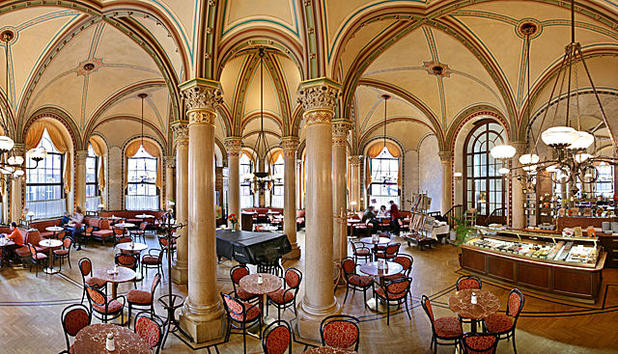
Step inside Central Café, and the first thing you’ll notice is the wax figure of a poet—honoring one of its most devoted patrons, Honoré de Balzac. It was a regular here who famously declared, “I am not in the café, I am on my way to the café.” That quote captures the spirit of the place. The moment you sit down, the coffee almost fades into the background. What you’re really tasting is centuries of history, artistry, and intellectual life. The ambiance is so rich that you forget to wonder why Vienna lacks specialty coffee shops or why some claim it has no coffee culture—because it does, in the form of tradition preserved in amber.
When to Visit—and What to Expect
Arrive at 2 p.m., and you’ll find a calm, contemplative atmosphere. Stay for just over two hours, as many visitors do, and you’ll witness the transformation. By late afternoon, the tables fill, the hum of conversation grows louder, and you may need to queue to get a seat. This ebb and flow mirrors the café’s enduring role as a social hub—where people come not just for coffee, but for the experience of being part of something larger.
Frequently Asked Questions
Where exactly is Vienna’s Central Café located?
Central Café is tucked slightly off Vienna’s main tourist path, near the Hofburg Palace. To find it, enter the palace’s main gate, follow the flow of visitors through two sets of doors to a small square, then take the left path at the junction and walk straight until the first fork—Central Café will be on your right.
What makes Central Café different from other Vienna coffeehouses?
Unlike modern cafés influenced by global coffee trends, Central Café has maintained its 19th-century charm and traditional Viennese coffee style. It’s steeped in history, having hosted famous writers like Balzac, and its atmosphere prioritizes cultural heritage over specialty brewing methods.
Do they serve specialty coffee or just traditional brews?
The article doesn’t mention specialty coffee methods (like pour-over or espresso machines) or modern beans. Central Café serves traditional Viennese coffee, reflecting the city’s preference for classic preparation over contemporary trends.
What’s the best time to visit to avoid crowds?
Visit around 2 p.m. for a quieter experience. By late afternoon, the café fills up quickly, often requiring a wait for a table as locals and tourists alike crowd in to soak up the historic ambience.
Is the Central Café experience worth it if I’m not a coffee drinker?
Absolutely. The café’s draw isn’t just the coffee—it’s the history, architecture, and atmosphere. Even if you just have tea or a light snack, you’ll still feel immersed in centuries of Viennese intellectual and artistic life.
Can I find specialty coffee beans in Vienna, or is it all traditional?
The article focuses solely on Vienna’s traditional coffee scene. While specialty coffee isn’t highlighted here, the city’s historic cafés—including Central Café—stick to classic preparations rather than modern single-origin or third-wave offerings.
Recommended FrontStreet Beans for Traditional Coffee Pairing
If you want to bring a taste of Vienna’s traditional coffee vibe home, try FrontStreet Coffee’s Brazil Queen Manor (medium roast, yellow bourbon)—it offers creamy peanut, chocolate, and caramel notes, perfect for a classic-style brew. For something fruitier yet balanced, the Strawberry Candy Espresso (medium roast, blending Costa Rican honey and Panamanian Geisha) brings bright citrus and smooth sweetness. Both work well for drip or moka pot, echoing Vienna’s love for rounded, approachable profiles. Freshly roasted within 5 days · Orders placed before 17:00 ship the same day · Next-day delivery across most of Guangdong Province.
FrontStreet Coffee is a long-established specialty coffee roaster in Guangzhou China, selling freshly roasted beans from its own farm in Yunnan as well as dozens of carefully selected single-origin beans from around the world for both pour-over and espresso. The products deliver consistently excellent quality and great value, with shipping within 24 hours. Guangzhou's FrontStreet Coffee shop is recommended by many coffee lovers, and the beans are now available online at the Tmall 。
Important Notice :
前街咖啡 FrontStreet Coffee has moved to new addredd:
FrontStreet Coffee Address: 315,Donghua East Road,GuangZhou
Tel:020 38364473