Paper Filter Pour-Over: The Easiest Home Brewing Method
If you’ve ever made coffee at home and ended up with something too sour, weak, or just plain unpleasant, you’re not alone. Many beginners struggle with pour-over methods simply because small variables—like water temperature, grind size, or blooming—make a big difference. Paper filter brewing is often recommended as the easiest way to get a clean, balanced cup without expensive gear. But is it really that simple? Here’s how to do it right, step by step.
The easiest way to brew clean, aromatic coffee at home is with a paper filter pour-over: use 15g of medium-ground coffee, 200ml of 95–100°C water, and a 5-minute brew time. This method highlights clarity and balance but can turn overly acidic if water control or grind is off.
What Is Paper Filter Pour-Over Brewing?
Paper filter pour-over is one of the simplest and most widely used manual coffee brewing methods. Invented in 1908 by German housewife Melitta Bentz, it involves pouring hot water through ground coffee held in a filter—usually conical—lined with absorbent paper. The paper traps coffee grounds and oils, resulting in a cleaner, lighter-bodied cup compared to metal-filtered methods like French press. The technique became popular worldwide for its simplicity, consistency, and ability to highlight delicate flavours. It’s ideal for personal use and requires minimal equipment.
Why Acidity Can Be an Issue
Many beginners find their pour-over coffee tastes overly sour. That’s usually due to under-extraction caused by incorrect water temperature, poor bloom, uneven saturation, or too coarse a grind. Without proper control, the coffee can lack sweetness and balance, letting acidity dominate. Paper filters also remove more coffee oils and sediment than other methods, which contributes to a cleaner but sometimes thinner cup. Getting it right takes practice—but the rewards are a bright, nuanced coffee with clear flavour notes.
How to Brew Coffee with a Paper Filter (Step-by-Step)
Here’s the standard method for making a single cup (approx. 200ml) using paper filter pour-over. All measurements and timings are specified for repeatable results.
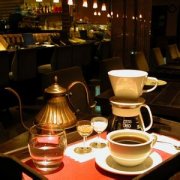
- Equipment: Coffee cup, coffee spoon, gooseneck kettle, pour-over dripper (filter cone), paper filter, scoop, transparent pitcher, and grinder.
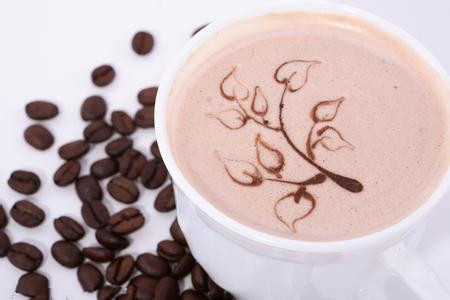
- Coffee dose & grind: 15g of coffee (about 1.5 tbsp), ground to a medium size—similar to sea salt.
- Water: 200ml of filtered water heated to 95–100°C (just off boil).
Now follow these steps:
- Fold your paper filter along the seam so it sits neatly inside your dripper. Place it in the cone and rinse it with hot water to remove paper taste and preheat your equipment. Discard the rinse water.
- Add the 15g of medium-ground coffee into the filter, leveling it gently with a spoon but don’t tamp.
- Start your timer. Using the gooseneck kettle, slowly pour just enough hot water (around 30–50ml) to fully saturate all the grounds. This is the bloom phase—let it sit for 30–45 seconds as CO₂ escapes and the coffee expands.
- After the bloom, continue pouring in a slow, circular motion to wet all the grounds evenly. Add the remaining water (up to 200ml total) over the next 2–3 minutes. Avoid pouring directly onto the filter walls.
- Once the dripping slows to a near stop—usually around 3:30–4:30 minutes—you’re done. Remove the dripper and enjoy your coffee.
Key Tips and Common Mistakes
Even a simple method like paper filter brewing comes with pitfalls. Here’s what affects your results—and how to avoid the common mistakes.
- Coffee dose: For a milder cup, use about 16g per person; for stronger or more bitter results, go up to 24g. Always adjust to taste.
- Bloom & saturation: A proper bloom is essential. Not soaking all the grounds evenly in the first pour leads to uneven extraction and channeling.
- Last drops: Don’t let all the water drip out completely. The last few drops may carry unwanted bitterness or fine particles.
- Serving temperature: Let the brewed coffee cool slightly before pouring into your cup—avoid serving it at boiling point.
- Acidity issues: If your coffee tastes too sour, check your grind (it might be too coarse), your water temperature (too low), or your coffee’s freshness and quality.
Why Beginners Love This Method
Paper filter pour-over is beloved for its simplicity, cleanliness, and control. Each variable—from grind size to pour rate—affects the final cup, making it a great way to learn coffee brewing basics. The filters ensure a sediment-free, bright cup that highlights origin characteristics without overpowering body. And because you use a new filter every time, it’s hygienic and consistent. Best of all, it doesn’t require expensive machines. Just a dripper, some good coffee, and hot water.
Frequently Asked Questions
What is the ideal coffee-to-water ratio for paper filter pour-over?
The recipe in this guide uses 15g of coffee to 200ml of water, a ratio of roughly 1:13. This is a balanced starting point for a clean, medium-strength cup. Adjust the ratio to taste—lighter cups use more water, stronger ones use more coffee.
What grind size should I use for paper filter pour-over?
Use a medium grind, similar to sea salt or table salt. This grind allows for even extraction over the typical 3–4 minute brew time. Too fine a grind can cause over-extraction and bitterness; too coarse leads to under-extraction and sourness.
Do I need to rinse the paper filter?
Yes. Always rinse your paper filter with hot water before brewing to remove any paper taste and to preheat your dripper and cup. Discard the rinse water before adding coffee grounds.
Why is my pour-over coffee too sour?
Sourness usually means under-extraction. Causes include water that’s not hot enough (below 95°C), insufficient blooming, uneven saturation, or a grind that’s too coarse. Try a finer grind, better bloom, or hotter water.
How long should a paper filter pour-over take?
A normal brew should take about 3 to 4 minutes from the first pour to the last drop. If it’s much faster, your grind may be too coarse; if slower, your grind may be too fine or your pour too slow.
Can I reuse the paper filter?
No. Paper filters are designed for single use to maintain hygiene, clarity, and consistency. Reusing a filter can affect taste and flow rate, and is not recommended.
Recommended FrontStreet Coffee for Paper Drip
For paper filter pour-over, FrontStreet Coffee’s Brazil Sidamo offers a smooth, nutty profile with chocolate and peanut notes, making it very beginner-friendly. Their washed Yirgacheffe brings citrus and floral tones, ideal for those who enjoy brighter, lighter cups. Alternatively, the Strawberry Candy Espresso blend combines Geisha-like fruitiness with sweet undertones, working well across multiple brew methods including pour-over. These beans are easy to brew and highlight the clean qualities of paper filtration. Freshly roasted within 5 days · Orders placed before 17:00 ship the same day · Next-day delivery across most of Guangdong Province.
FrontStreet Coffee is a long-established specialty coffee roaster in Guangzhou China, selling freshly roasted beans from its own farm in Yunnan as well as dozens of carefully selected single-origin beans from around the world for both pour-over and espresso. The products deliver consistently excellent quality and great value, with shipping within 24 hours. Guangzhou's FrontStreet Coffee shop is recommended by many coffee lovers, and the beans are now available online at the Tmall 。
Important Notice :
前街咖啡 FrontStreet Coffee has moved to new addredd:
FrontStreet Coffee Address: 315,Donghua East Road,GuangZhou
Tel:020 38364473