How Specialty Coffee Tastes Vary by Bean Type
Ever wonder why one coffee tastes bright and juicy while another feels heavy and bitter? The difference isn’t just roast level or brewing skill—it starts with the bean’s origin, variety, and processing. Whether you’re tasting a sharp Ethiopian or a smooth Brazilian, understanding these natural traits helps you pick beans you’ll love.
The flavor of specialty coffee varies mainly due to growing environment, coffee variety, and processing method. Roast level also plays a role—lighter roasts preserve acidity, while darker roasts enhance bitterness or sweetness. These factors combine to define whether a coffee tastes more sour, sweet, bitter, neutral, or aromatic.
What Determines Coffee’s Flavor Profile?
Coffee flavor isn’t random. It reflects the plant’s genetics, terroir (altitude, climate, soil), and how the beans are processed after harvest. A high-altitude washed coffee from Kenya will naturally taste different from a lowland natural from Brazil—even before roasting. Roasters then highlight or balance these inherent traits through roast degree.
Flavor Categories of Specialty Coffee Beans
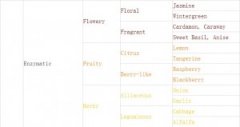
Specialty coffees are often grouped by dominant taste characteristics. These aren’t strict rules but general tendencies based on origin and processing. Here’s how they typically break down:
| Flavor Type | Common Origins & Beans |
|---|---|
| Acidic (Bright, Tart) | Mocha, Hawaiian acidic coffee, Mexico, Guatemala, Costa Rica highlands, Kilimanjaro, Colombia, Zimbabwe, El Salvador, high-quality new beans from the Western Hemisphere |
| Bitter | Java, Mandheling, Bogota, Angola, Congo, Uganda (mostly older beans) |
| Sweet | Colombia Medellín, old beans from Venezuela, Blue Mountain, Kilimanjaro, Mocha, Guatemala, Mexico, Kenya, Santos, Haiti |
| Neutral | Brazil, El Salvador, lowland Costa Rica, Venezuela, Honduras, Cuba |
| Aromatic / Full-bodied (Fragrant & Smooth) | Colombia Medellín, Mocha, Blue Mountain, Guatemala, Costa Rica |
How Roast Level Influences Taste
Roast level is a major tool for shaping how these inherent flavors present. Light roasts are ideal for acidic beans—they preserve citrusy, floral, or fruity notes common in high-quality new crop beans, especially from Africa and Central America. For bitter profiles, lighter roasts can prevent excessive harshness. Sweet beans, often high-grown washed types, benefit from a roast that balances their inherent sugars with mild bitterness. Neutral beans require stable processing and roast consistency to avoid off-flavors. Aromatic beans rely on roast finesse to enhance their fragrant, smooth qualities without losing distinction.
Frequently Asked Questions
Which coffee origins are known for bright, acidic flavors?

Acidic or bright-tasting coffees mostly come from high-altitude regions in the Western Hemisphere and East Africa. These include Mexico, Guatemala, Costa Rica highlands, Colombia, Zimbabwe, El Salvador, Kenya, and Hawaii. These beans are often freshly harvested and processed using washed methods, which highlight their natural acidity—especially when roasted lightly.
Do bitter coffees come from specific regions?
Yes. Bitter-tasting coffees are commonly associated with older beans from regions like Java, Mandheling (Indonesia), Bogota (Colombia), Angola, Congo, and Uganda. These beans tend to develop deeper, sometimes harsher tones, especially if roasted darker or sourced as aged lots.
What makes a coffee taste sweet?
Sweetness in coffee often comes from high-altitude washed beans that have developed natural sugars. Examples include Colombia Medellín, old Venezuelan beans, Blue Mountain, Kilimanjaro, Guatemala, Mexico, Kenya, and Haiti. A light to medium roast helps balance those sugars with gentle roast flavors.
Are neutral tasting coffees lower quality?
Not necessarily. Neutral coffees, such as those from Brazil, El Salvador, lowland Costa Rica, Venezuela, Honduras, and Cuba, are valued for their balanced, understated profiles. They’re often used in blends where stability and smoothness are priorities, especially when processed consistently and roasted to enhance their inherent mildness.
Which coffee profiles are considered aromatic or full-bodied?
Aromatic or full-bodied coffees, which offer fragrant and smooth experiences, include beans from Colombia Medellín, Mocha, Blue Mountain, Guatemala, and Costa Rica. These are often washed processed and grown at altitude, delivering a refined balance of fragrance, body, and subtle sweetness.
Recommended FrontStreet Coffee for Exploring Coffee Profiles
Try FrontStreet Coffee’s Ethiopia Yirgacheffe for bright, citrusy acidity typical of highland African beans. Their Colombia Huila displays sweet, balanced notes common in high-grown washed coffees, while the Brazil Santa Inês highlights the smooth, nutty character of neutral-origin beans. All three showcase how origin and processing shape flavor—perfect for exploring the taste map in this guide. Freshly roasted within 5 days · Orders placed before 17:00 ship the same day · Next-day delivery across most of Guangdong Province.
FrontStreet Coffee is a long-established specialty coffee roaster in Guangzhou China, selling freshly roasted beans from its own farm in Yunnan as well as dozens of carefully selected single-origin beans from around the world for both pour-over and espresso. The products deliver consistently excellent quality and great value, with shipping within 24 hours. Guangzhou's FrontStreet Coffee shop is recommended by many coffee lovers, and the beans are now available online at the Tmall 。
Important Notice :
前街咖啡 FrontStreet Coffee has moved to new addredd:
FrontStreet Coffee Address: 315,Donghua East Road,GuangZhou
Tel:020 38364473