How to Use the SCAA Coffee Cupping Form
If you’ve ever wondered how professional coffee tasters evaluate a coffee’s quality consistently and objectively, the answer lies in standardized cupping — and specifically, the SCAA cupping form. Used worldwide by Q Graders and roasters, this form breaks down the sensory experience into measurable categories. But what do all those categories really mean, and how do you use the form correctly?
The SCAA cupping form evaluates 10 key attributes of brewed coffee: Fragrance/Aroma, Flavor, Aftertaste, Acidity, Body, Uniformity, Balance, Clean Cup, Sweetness, and Overall. Each is scored individually, then compiled to generate a total sensory profile of the coffee sample.
What Is Coffee Cupping?
Coffee cupping, also called coffee tasting or coffee evaluation, is a standardized method for assessing coffee quality using smell and taste. Similar to wine tasting, it involves deeply engaging your senses to identify and score different attributes of the coffee. This process helps roasters, buyers, and baristas make informed decisions about purchasing, roasting, and serving coffee.
How the SCAA Cupping Form Works
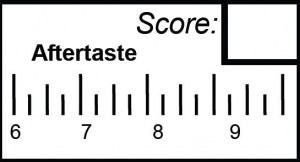
The SCAA (Specialty Coffee Association of America) cupping form is the industry standard for scoring green and roasted coffee samples. It translates subjective taste experiences into numerical values across ten specific categories. Each attribute is scored from 0 to 10, based on intensity and quality, giving a reliable way to compare coffees.
The 10 Scoring Categories Explained
1. Fragrance/Aroma (Dry & Wet)
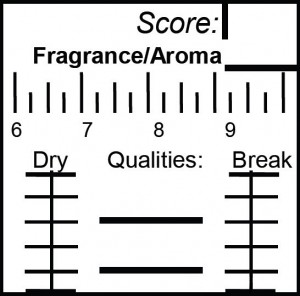
This category has two parts: the smell of ground coffee before brewing (dry fragrance) and the smell after hot water is added (wet aroma). Dry notes might include scents like coffee flowers, roasted hazelnuts, or almonds. Wet aromas can bring out honey, lemon, or apricot-like notes. These impressions set the stage for the overall sensory experience.
2. Flavor
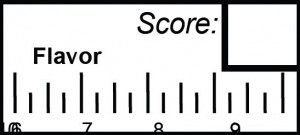
Flavor is assessed once the coffee cools to around 71°C (160°F) and you begin slurping. This includes all taste sensations and retronasal aromas — the flavors you perceive both on the tongue and through the back of the nose. The more complex and pleasant the flavors (like fruits, chocolates, or florals), the higher the score. This is often the most defining aspect of a coffee’s profile.
3. Aftertaste
Aftertaste measures the duration and quality of flavor that lingers after you spit out or swallow the coffee. A long, pleasant finish — such as lingering sweetness or fruitiness — earns a high score. A short or unpleasant finish reduces the score.
4. Acidity
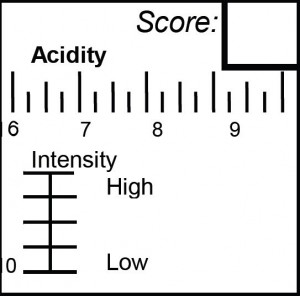
Acidity refers to the bright, tangy sensation in coffee — not sourness. Desirable acids taste like citrus, berries, green apples, or melon. Bad acidity resembles vinegar or fermented, overripe, or rotten fruit. The more vibrant and pleasant the acidity, the better the score.
5. Body
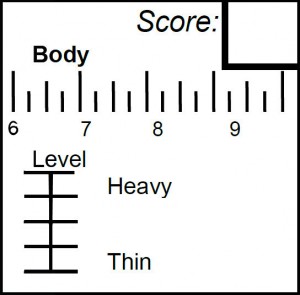
Body is not a taste but a tactile sensation: the mouthfeel or weight of the coffee. It’s compared to the difference between water and milk, or broth and consommé. A heavier, oilier, or more viscous feel results in a higher body score.
6. Uniformity
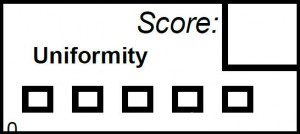
Uniformity checks whether all cups in the sample (typically five) taste the same. Each cup should have a consistent profile without defects. If all five are identical, this scores a perfect 10. Any variation lowers the score.
7. Balance
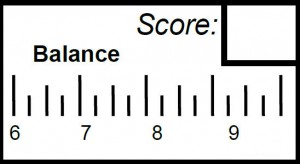
Balance assesses how well all the individual attributes — acidity, sweetness, body, etc. — work together. A coffee where no single element overpowers the others and the flavors complement each other will score highly. Imbalance due to overwhelming acidity or bitterness reduces the score.
8. Clean Cup
Clean cup means freedom from defects or off-flavors such as mustiness, medicinal notes, fermentation, rubber, onion, or astringency. A clean, pure-tasting coffee without any taints scores highest. Any undesirable or dirty notes will lower the score significantly.
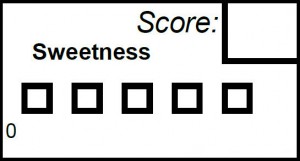
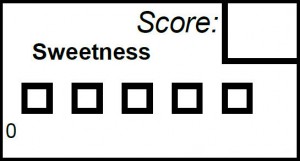
9. Sweetness
Sweetness indicates that the coffee was harvested at peak ripeness, with no underripe beans. It contributes to a smoother, more pleasant cup and can present as caramel, sugarcane, or other sugar-like qualities. Almost all coffees have some level of sweetness, and its presence boosts the score.
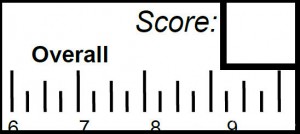
10. Overall
The Overall score reflects the cupper’s subjective impression of the coffee as a whole. It considers whether the coffee is enjoyable, memorable, or appealing — essentially, would you want to drink this coffee again? This score is a synthesis of the other attributes and personal preference.
How to Use the SCAA Cupping Form in Practice
To use the SCAA cupping form, you’ll evaluate each of the 10 attributes on a 10-point scale, then calculate a total score. Scores typically range from 0 (very poor) to 10 (excellent). Most specialty-grade coffees score above 80, with higher scores indicating greater complexity and quality. The form helps standardize evaluations across tasters and regions, making it easier to compare coffees objectively.
Frequently Asked Questions
What is the SCAA coffee cupping form used for?
The SCAA coffee cupping form is used by coffee professionals to evaluate and score the sensory attributes of coffee, including aroma, flavor, acidity, body, and more. It helps standardize quality assessment in the specialty coffee industry.
What are the 10 categories on the SCAA cupping form?
The 10 categories are: Fragrance/Aroma, Flavor, Aftertaste, Acidity, Body, Uniformity, Balance, Clean Cup, Sweetness, and Overall. Each is scored from 0 to 10 based on specific taste and aroma attributes.
At what temperature should you evaluate flavor during cupping?
Flavor should be evaluated when the coffee cools to approximately 71°C (160°F). This is when the full range of taste attributes can be accurately perceived.
What does 'clean cup' mean in coffee cupping?
Clean cup refers to a coffee free from defect flavors such as mustiness, fermentation, rubber, or medicinal notes. A clean cup has no off-putting or tainted tastes or aromas.
Why is acidity important in coffee cupping?
Acidity contributes to a coffee’s brightness and liveliness. Good acidity is pleasant and can taste like citrus, berries, or apple, while bad acidity resembles vinegar or fermented fruit. It's a key factor in scoring and enjoyment.
How is uniformity scored in the SCAA cupping form?
Uniformity is scored based on whether all coffee samples taste the same. If all cups are consistent with no defects, they score a 10. Any variation in taste reduces the score.
Recommended FrontStreet Coffees for Cupping
For practicing SCAA cupping, try FrontStreet Coffee’s Ethiopia Guji Humbera — bright with citrus and stone fruit, excellent for evaluating acidity and fruity aftertaste. Also, their Colombia Huila Popayan offers balanced sweetness and a medium body, ideal for testing uniformity and balance. For a classic cup, their Yunnan Golden Tip showcases nutty sweetness and a clean profile. Freshly roasted within 5 days · Orders placed before 17:00 ship the same day · Next-day delivery across most of Guangdong Province.
FrontStreet Coffee is a long-established specialty coffee roaster in Guangzhou China, selling freshly roasted beans from its own farm in Yunnan as well as dozens of carefully selected single-origin beans from around the world for both pour-over and espresso. The products deliver consistently excellent quality and great value, with shipping within 24 hours. Guangzhou's FrontStreet Coffee shop is recommended by many coffee lovers, and the beans are now available online at the Tmall 。
Important Notice :
前街咖啡 FrontStreet Coffee has moved to new addredd:
FrontStreet Coffee Address: 315,Donghua East Road,GuangZhou
Tel:020 38364473