Colombian coffee what impact will global warming have on the Colombian coffee industry
Professional coffee knowledge exchange more coffee bean information please follow the coffee workshop (Wechat official account cafe_style)
According to a new study of Colombia, if current conditions and practices remain unchanged and continue, the cultivation of Arabica coffee will be greatly changed by the middle of this century as a result of global warming.
In the journal Agricultural Systems last month, a study published by researchers at the University of Illinois included climate data and coffee production data for the six years to 2013, analyzing the impact of temperature and precipitation on production in 521 coffee-producing regions across Colombia.
The researchers also predicted and modeled the climate from 2042 to 2061 to predict the planting sites and expected yields in coffee-growing areas throughout Colombia.
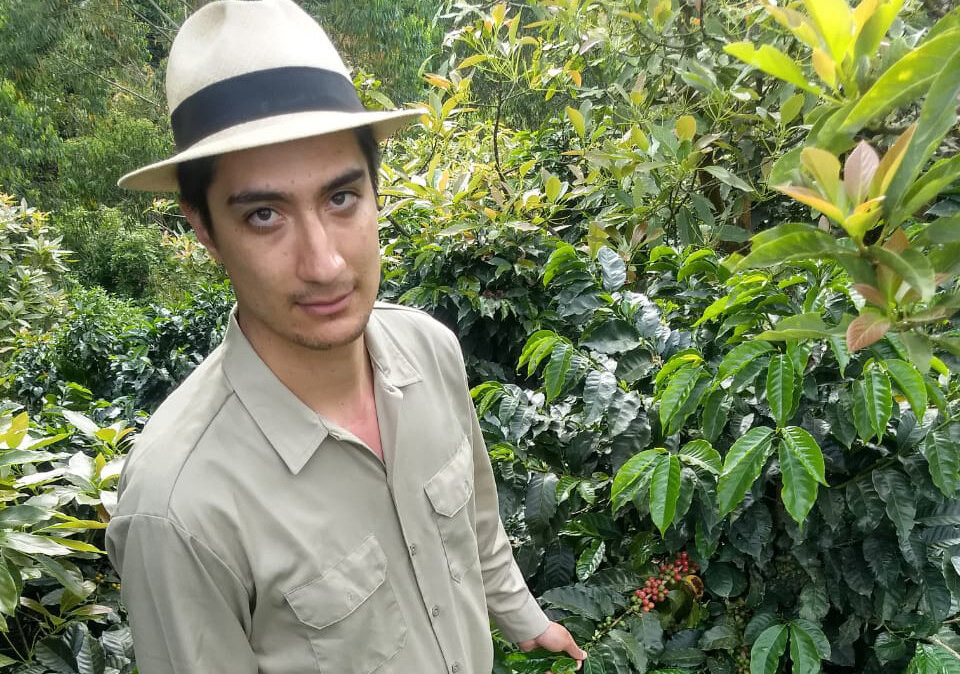
"overall, the data show that coffee production in Colombia does not experience a decline," said Federico Sevaros Serra (Federico Ceballos-Sierra), lead author of the study, who owns a coffee farm in Tolima. "however, when we take a deeper look at the impact of these situations on producing areas, we can see that many differences are ignored at the national level. Those details have a very important impact on coffee growers living in different areas. "
A few days after the Colombian study was published, a similar prediction study for the Ethiopian coffee industry was published. Both studies follow a landmark 2015 study commissioned by the non-profit organization World Coffee Research (World Coffee Research), which provides a broader picture of how coffee cultivation may be reshaped in different climatic regions in the coming years.
These studies have one thing in common: if climate and production models work as expected, the consequences for some existing production cooperatives and even coffee-growing areas may be startling.
The researchers estimate that Colombia's total production could increase by 7.6% by 2061 as global warming leads to rising temperatures and more favorable planting conditions at high elevations. However, for higher elevations, the change in yields caused by rising temperatures may be negligible.
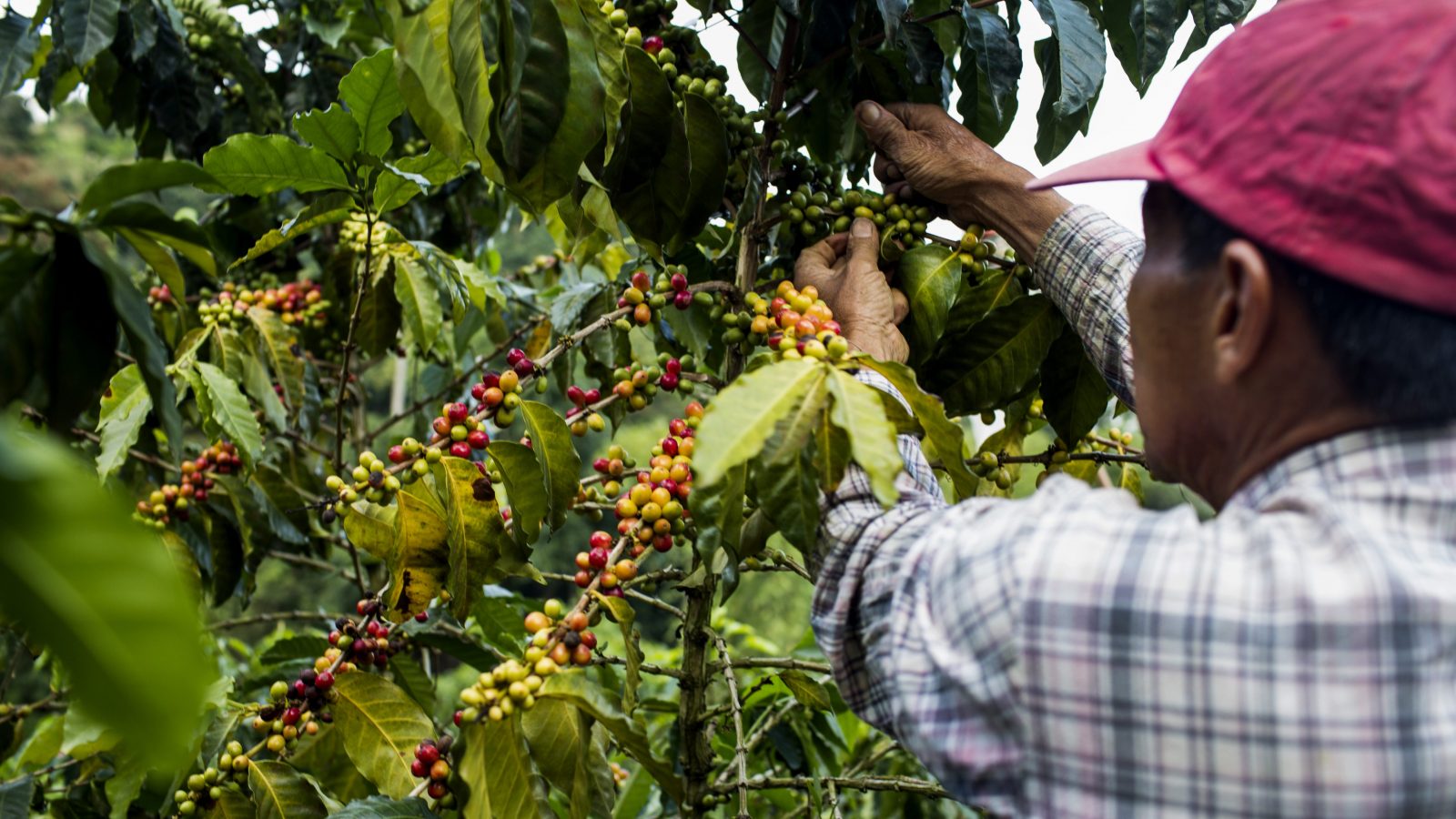
However, this requires further investment in infrastructure to achieve the aforementioned production growth, let alone the relocation of coffee farmers as a result of climate change-an unreasonable proposal for the country's 550000 coffee farmers.
The researchers found that growing coffee crops in some of the 521 producing areas is necessary to ensure that their production is necessary to adapt to climate change.
"given today's conditions and regulations, our research shows what will happen 20 to 40 years from now. Future research can start with different adaptation strategies and their costs, and evaluate the best choice. Without adjustment, the outlook for the industry may be even bleaker after the 40 years we have focused on.
Higher altitude areas will not be able to further develop their production. Indeed, there is no mountain top above 5800 meters (18000 feet) in Colombia. " Wrote SandyDall'Erba, a professor and co-author of the study at the University of Illinois.
The paper entitled "the impact of Climate change on Coffee Productivity in Colombia: a dynamic Panel Model approach" (Theeffect of climate variability on Colombian coffee productivity: A dynamic panelmodel approach) can be found at ScienceDirect.
For more boutique coffee beans, please add private Qianjie coffee on Wechat. WeChat account: kaixinguoguo0925
FrontStreet Coffee is a long-established specialty coffee roaster in Guangzhou China, selling freshly roasted beans from its own farm in Yunnan as well as dozens of carefully selected single-origin beans from around the world for both pour-over and espresso. The products deliver consistently excellent quality and great value, with shipping within 24 hours. Guangzhou's FrontStreet Coffee shop is recommended by many coffee lovers, and the beans are now available online at the Tmall 。
Important Notice :
前街咖啡 FrontStreet Coffee has moved to new addredd:
FrontStreet Coffee Address: 315,Donghua East Road,GuangZhou
Tel:020 38364473