What is the difference between dry and wet double washed coffee treatment? Flavor characteristics of washed coffee in Kenya
As we all know, washing is a very common treatment method in coffee. Because the processed coffee has a very clean flavor, it has won the favor of many people, including Qianjie.
If you are interested in coffee processing methods, it should not be difficult to find that in addition to traditional water washing, there are also various water washing treatment branches such as dry water washing and double water washing. So what are the differences between them and traditional washing? Let's first understand what traditional washing is.
Water washing treatment Before the 19th century, coffee was only processed in the sun. Sunning treatment is very simple. Just like drying peanuts, you just need to lay the freshly harvested coffee fruits in a place where the sun can directly dry them.
However, this method has a disadvantage, that is, because the water content of the peel and pulp is high, it takes a long time to dry, usually about 3 weeks. If the sunshine hours in an area are not as long, the drying time will be longer, which can easily lead to coffee spoilage. As one of the world's largest coffee producers at that time, Jamaica was deeply troubled by lack of sunshine. Jamaica has an island-type climate, and the sunshine time is shorter compared to other producing areas. So in order to reduce the probability of coffee spoiling, a water washing method was born!
The biggest difference between washing treatment and sun treatment is that it removes the pectin from the peel and pulp before drying the coffee beans. The purpose is to reduce the moisture that surrounds the coffee beans, which can shorten the drying time. The birth of water washing treatment is inseparable from the invention of the coffee peeling machine, because removing the peel and pulp of coffee beans in large quantities in a short period of time is a goal that is difficult to achieve manually. Qianjie once tried to manually peel a bucket of coffee beans at Qianjie's coffee estate in Yunnan Province. Not only was it time consuming, it was also a bit of a waste of hands!!
So in the mid-19th century, coffee peeler was born. The first to enjoy the "dividends" of the peeler was Jamaica, the West Indies, where the coffee peeler was invented. Therefore, the Wet Process for washing was also called the West Indian Coffee Processing in the early days.
In addition to peeling machines, washing treatment also requires sufficient local water resources, because a large amount of clean water is used to soak beans and remove pectin during the process, so not all production areas can use washing treatment. The water washing process is as follows: flotation → peeling → soaking the coffee beans with water → washing off the pectin remaining on the surface of the coffee beans with water → drying the coffee beans → peeling and storing.
Since the peel and pulp pectin is removed, the drying time is very short and only takes about 1 week to complete. This reduces the degree of fermentation between the substances involved in fermentation and the coffee beans, so the coffee beans after washing are very clean and we can drink the taste of the coffee itself from them. Qianjie Yejia Shefei Tintin is washed with water and combined with medium and light baking. From it, we can feel the very clean taste and distinctive flavor of the region. The taste is balanced between sweet and sour. The flavor has elegant floral fragrance, fresh lemon, and clean green tea. It has a light texture and a long aftertaste. It is a very delicious washed coffee bean.
Double washing Double washing treatment was born in Kenya and is also one of the sources of Kenya's unique flavor. As the name suggests, it repeats a water washing process on the water washing process. Flotation → peeling → soaking coffee beans with water → washing away the pectin remaining on the surface of coffee beans with water → soaking coffee beans with water → drying coffee beans → peeling and storing.
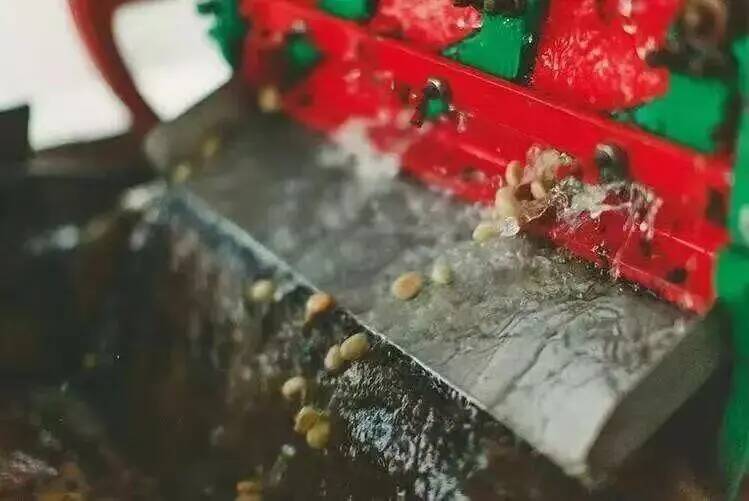
The reason why the soaking process had to be repeated was that there was insufficient open space at the early Kenyan treatment plant. Many coffee beans have no place to dry after completing the de-glue process. If they are piled up in the shade like this, the wet coffee beans will easily undergo qualitative changes. So there was no choice but to immerse these coffee beans in the water again. This will not only reduce the probability of coffee beans spoiling, but also prevent pollution from dust or pests. But later people discovered that secondary soaking could make the quality of coffee beans more stable, so even though the drying field was later expanded, people still retained the practice of secondary soaking. Then, because double washing was born in Kenya, it was also called the "Kenya Washing Method." The K72 treatment we often hear about refers to this double washing that was born in Kenya. However, some soaking times can be as long as 72 hours, so it is simply called K72.
The Qianjie Kenyan tomato in Qianjie Doudan is treated with double washing. It has a very full Kenyan flavor-round tomato, dark plum acid, as well as the sweetness of caramel, the aftertaste of oolong tea, and the layers are very rich. The taste is clean and full, which is very good.
When it comes to dry washing, many friends will think of a treatment method without using water, but unfortunately, dry washing still uses water, but not so much. Qianjie mentioned in his introduction to water washing treatment that water washing treatment requires a large amount of water resources, and the water soaked in coffee beans cannot be reused due to acidification. Therefore, some production areas that need to save water have begun to use dry water washing.
The so-called dry water washing means that the coffee beans with the peel and pulp removed are put into a fermentation tank for fermentation. The purpose is to allow microorganisms to decompose the sticky matter on the pectin, so that the pectin can be better removed later. After the fermentation is completed, the coffee beans are washed with clear water to remove the pectin attached to the coffee beans. Then, the steps such as drying, peeling, and storage are carried out just like conventional water washing. As you can see, dry water washing has certain similarities with honey processing. The core difference is that honey processing retains the pectin and coffee beans to participate in drying, while dry water washing removes the pectin with water and then puts the coffee beans into drying. So it can be imagined that the performance between them is very close.
To sum up, you can know the difference between different washing treatments. So the above is all the content shared by Qianjie this time. If you don't know where to buy delicious washed and processed coffee beans, then Qianjie Coffee's Tmall Taobao flagship store ~~ will be a very good choice

。
- END -
FrontStreet Coffee is a long-established specialty coffee roaster in Guangzhou China, selling freshly roasted beans from its own farm in Yunnan as well as dozens of carefully selected single-origin beans from around the world for both pour-over and espresso. The products deliver consistently excellent quality and great value, with shipping within 24 hours. Guangzhou's FrontStreet Coffee shop is recommended by many coffee lovers, and the beans are now available online at the Tmall 。
Important Notice :
前街咖啡 FrontStreet Coffee has moved to new addredd:
FrontStreet Coffee Address: 315,Donghua East Road,GuangZhou
Tel:020 38364473